In brief
When a 17 June blaze ripped through a cold‑storage warehouse in Boyle Heights, it unleashed 85 million lb of spoiled food that hovers in the air, turning a once‑vibrant street into a breathing furnace of decomposing carcasses. Residents turn away in disgust, farmers and community cooks find their supplies tainted, and public‑health officials scramble to clean the toxic air. The event underscores a deeper history of environmental neglect in marginalized neighborhoods, echoing indigenous teachings that land and food are inseparable and must be treated with honour and responsibility. City leaders, led by Mayor Karen Bass, have pledged transparency, mobile health clinics and air‑purifier programs, yet the cleanup faces delays and fines. As Boyle Heights’ people demand clarity and swift action, the story invites a larger conversation about true stewardship and the right to sustain the ecosystems that sustain us.
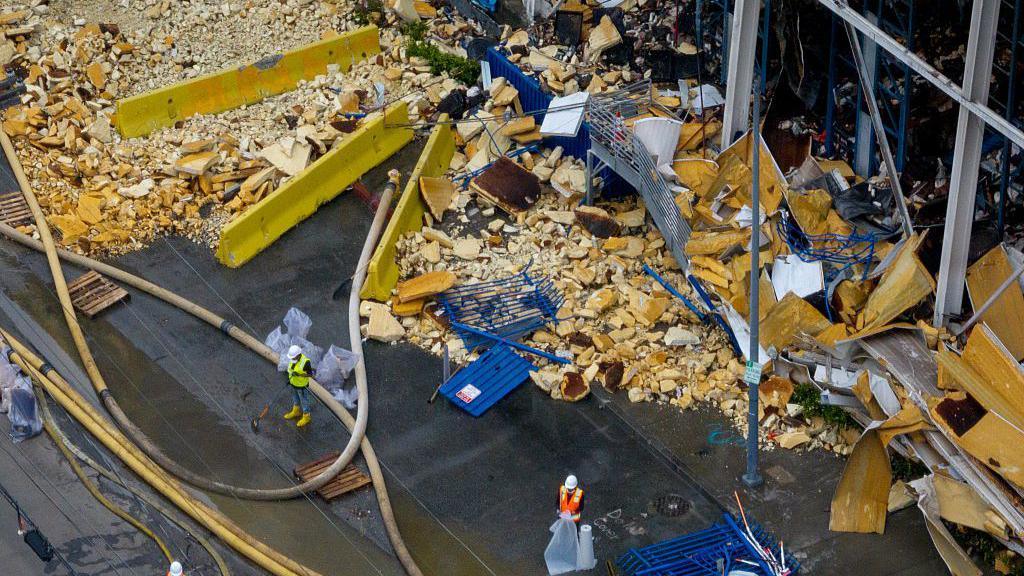
On the night of 17 June, a massive cold‑storage warehouse in Boyle Heights flickered into flame, releasing a shocking 85 million lb of spoiled beef, pork, poultry and seafood into the air, a sour perfume that turned the neighbourhood into a breathing furnace.
The smell has driven diners and coffee‑stand patrons away from the street corner that once buzzed with banana‑latte orders and matcha sips, turning that space into a deserted silence.
The odor—described locally as “like a dead body” and “to the point you want to throw up”—reminds us that land, food, and community are tightly intertwined, a principle reflected in many Indigenous traditions that view the earth as a living giver whose abundance and purity must be respected.
City officials have stated that 80 % of the food waste has been removed, yet residents still report overwhelming odour, rats, flies and open wounds, signalling that the cleanup is incomplete and that the area remains a health hazard.
Mayor Karen Bass has issued public‑health notices and fines, mobilised air‑purifiers, and called for transparent communication, but the company that operated the warehouse has faced criticism for its slow response and for under‑communicating progress.
Indigenous stewardship may guide fresh solutions: community‑led monitoring of soil and air, local hauri‑na‑haka (community‑based clean‑up) and cultural protocols that honour the gifts of food while healing the wounds inflicted by urban neglect.
The riot of bacteria beneath the warehouse is a reminder that the health of a community is inseparable from the health of its land. Unlocking this truth requires ongoing transparency, grassroots involvement and an acknowledgment that the land belongs to the people who have worked it for generations.