In brief
At a NATO summit in Ankara, former U.S. President Donald Trump—known for his scepticism of the alliance—showcased a grand welcome that veiled deep anxieties about defence spending, territorial claims and the future of air‑defence systems. Norwegian and Swedish producers clinched contracts for new aircraft and missile platforms, while Ukrainian President Volodymyr Zelensky pleaded for rapid deployment of affordable, mass‑produced ballistic‑interceptors to protect homes under heavy Russian fire. Indigenous communities around the world, many whose lands sit in strategic corridors, experience the fallout of these power plays not only through economic disruption but also via climate change, resource appropriation and cultural erosion. The clash of geopolitical rhetoric with ancient stewardship of land underscores the urgent need for a defence architecture that respects both sovereignty and the planet. As the alliance considers re‑armament, Māori, Sámi, Amazonian, and other indigenous peoples call for inclusive governance that integrates environmental stewardship, ethical use of technology and restoration of traditional knowledge.
Introduction
In Ankara, a NATO summit unfolded under a dazzling display of banners and fanfare. It was also the stage for former U.S. President Donald Trump, whose arrival reshaped narratives about alliance defence. While the event itself was about military procurement, its impact reaches far beyond—touching on the sovereignty of indigenous peoples whose lands lie at the crossroads of strategic defence and climate change.
NATO’s Shield and Green Conflict
New contracts for transport and AWACS aircraft and Sweden’s GlobeEye planes signal a shift toward modernising European capability. Yet soldiers and arms spare the stark reality that such investments stir environmental footprints: higher emissions, unsustainable material sourcing and export‑driven demand for metals mined from ecologically sensitive regions. For many indigenous lands, the same material flows are etched with history of exploitation and neglect.
Trump’s Red Carpet and the Question of Sovereignty
Trump’s rousing walk alongside Turkish President Recep Tayyip Erdogan echoed a personal rapport with a host nation. His comments about taking over Greenland—territorial territory of the Danish‑aligned nation—forced a backlash: Denmark warned that military intervention would destabilise the alliance. The remarks illustrate how leaders scramble over land, forgetting that those territories belong to diverse peoples—indeed, entire indigenous communities whose centuries‑old stewardship informs the future of any defence policy.
Ukraine’s Call for Air Defence and Community Survival
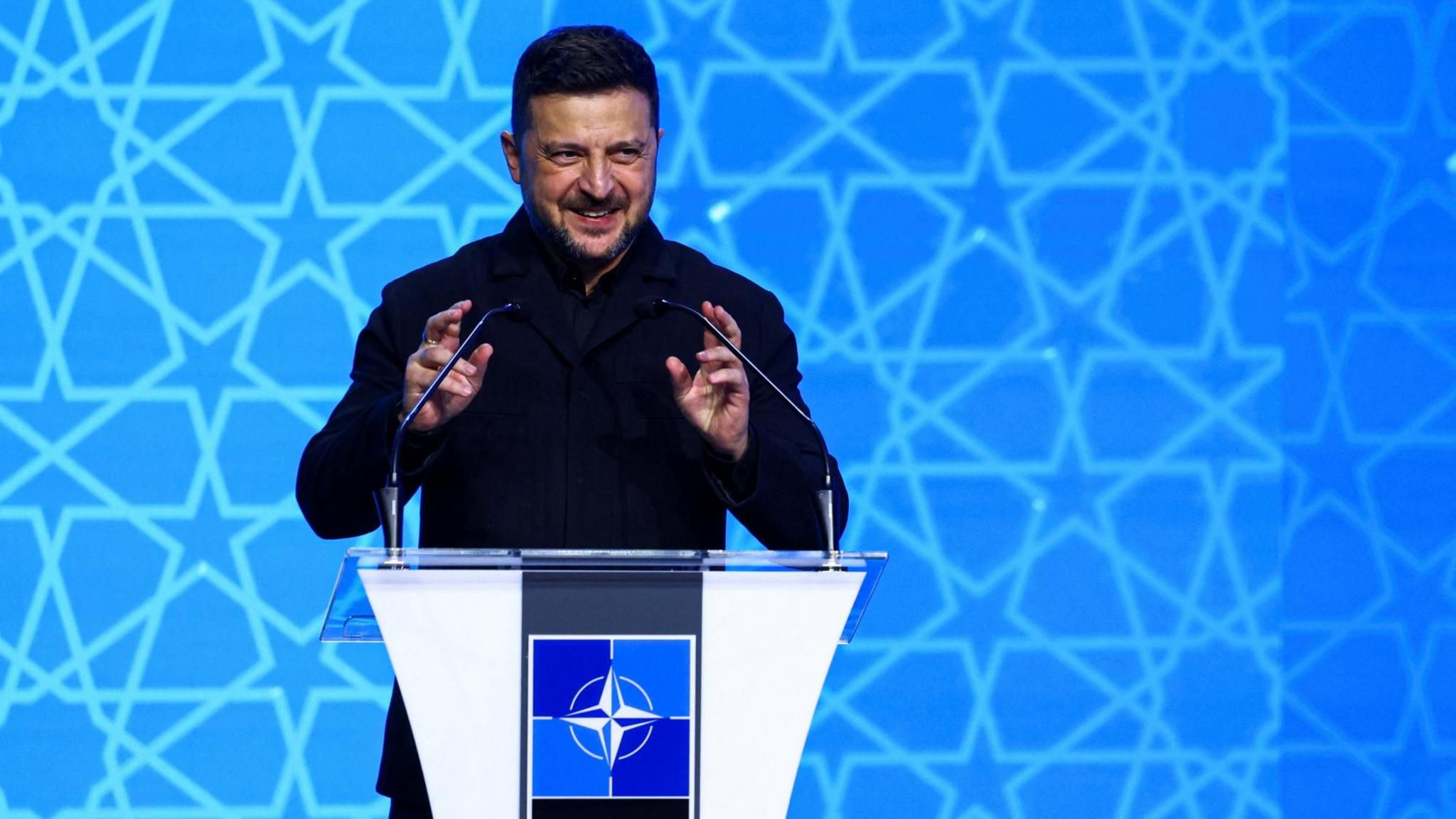
President Zelensky’s plea for a pan‑European ballistic‑interceptor system underscores the reality rural communities feeling the brunt of war. Ukraine’s walls are eroded by Russian missiles, while its villages—many located on the edge of natural resources—risk chemical contamination. Indigenous groups in Eastern Europe see parallels: the same weapons system threatens their water sources, wildlife, and cultural sites.
Indigenous Perspectives on Defence and Climate Ethics
Across continents, indigenous peoples call for a defence that safeguards not only borders but also ecosystems. The Māori, the Sámi, the Amazonian peoples and many others insist on the integration of traditional ecological knowledge in national security agendas. They argue the principle that defensibility equates to responsibility: protecting original habitats, sustaining fire‑regulation communities, and restoring wetlands that serve as natural carbon sinks. A resilient defence strategy, from this view, incorporates planetary stewardship and the long‑term wellbeing of all living beings.
Conclusion
Debate over NATO’s defence blueprint cannot remain an echo chamber of budgets and jets. It must reverberate with the voices of those who depend on their land for survival. The alliance’s next steps—in terms of procurement, collaboration and constitutional commitments—could either reinforce a legacy of exploitation or carve a new path grounded in mutual respect, ecological balance and shared sovereignty. The decision makers stand at a crossroad: adopt a system designed for firepower, or choose one that harmonises security with the principles that have guided indigenous stewardship for millennia.