In brief
Serbia’s parliamentary elections have turned into a clash between an entrenched leader and a youth‑born Student List that champions anti‑corruption and collective governance. Led by professor Ilija Srdanović, the list gathers candidates from academia, engineering, sports and the arts, reflecting a model of inclusive decision‑making similar to indigenous councils. The movement’s rise echoes indigenous youth renewals around the world, demanding stewardship of culture, environment and democratic values. With a narrow margin predicted, the vote will signal whether Serbia can move toward a politics that values ancient wisdom and shared responsibility.
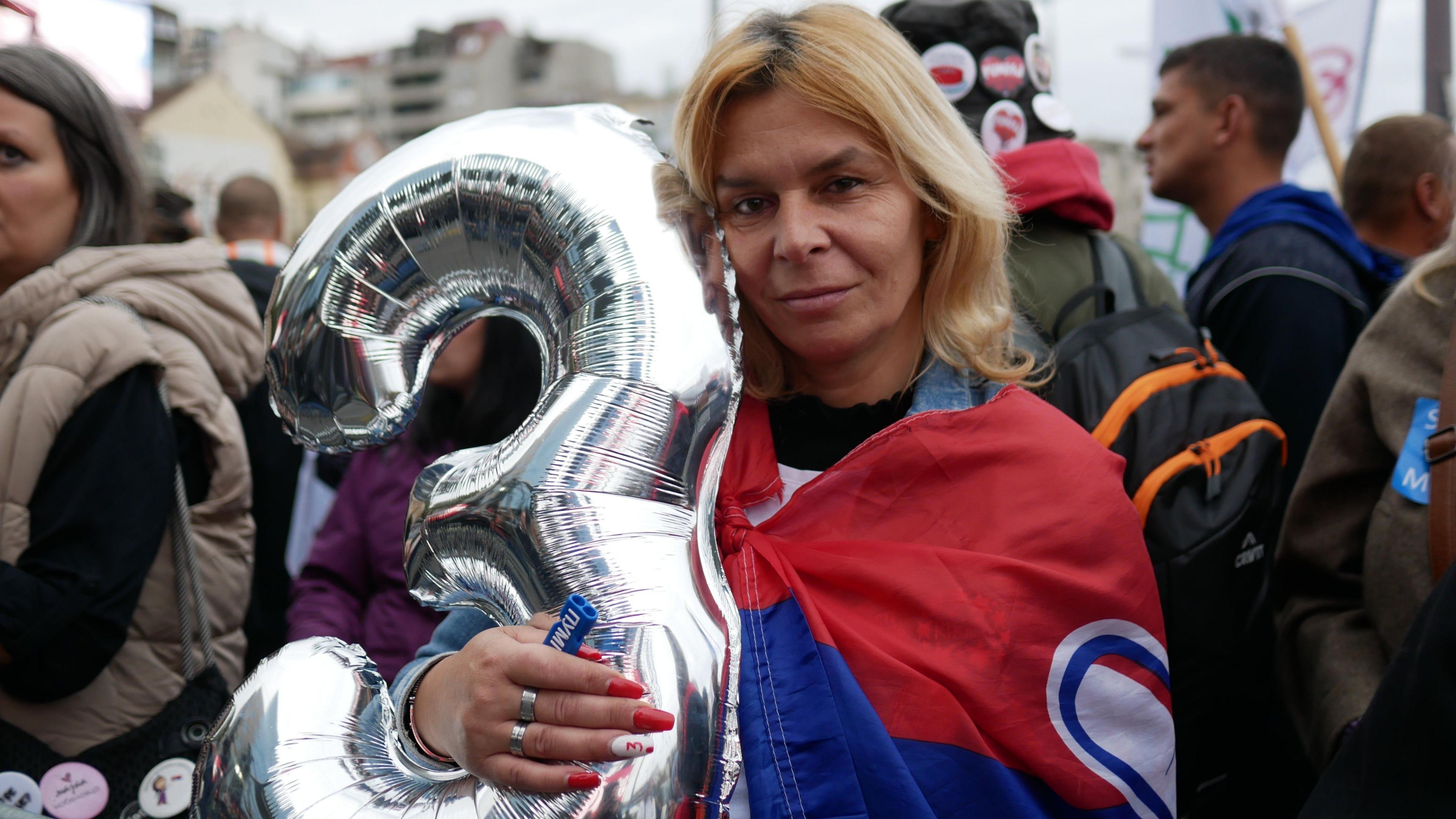
Serbia’s 2026 parliamentary race has been described as a battle for the heart of the nation, yet it is the voices of twenty‑year‑olds now shaping that narrative.
Ilija Srdanović, a cardiologist and professor at Novi Sad University, leads the Student List – an anti‑corruption bloc born from the protests that erupted after a deadly train‑station collapse.
The movement’s leaders reject the idea of a single commander, mirroring how indigenous councils often make decisions through consensus.
Unlike traditional political parties, the Student List invites scholars, engineers, athletes and even poets to run, highlighting that governance can thrive in diverse expertise rather than narrow partisan lines.
For many Serbian youths, this collective model echoes the deep‑rooted belief among Balkan indigenous peoples that stewardship of the land, language and memory belongs to all who share it.
Opponents – most prominently Aleksandar Vučić – have portrayed the students as foreign‑backed, but the grassroots backdrop of the movement draws from a heritage of oral history and community accountability that transcends borders.
With polls suggesting a tight finish, the outcome will test whether Serbia can embrace a politics that honors both modern progress and the ancient wisdom embedded in its societies.
Beyond Serbia, similar student‑led initiatives in South America, Africa and northeastern Asia show that young generations worldwide are demanding that political power reflect environmental stewardship, cultural preservation and genuine democratic participation.