In brief
Al‑Qaqa Ibn Antar, a popular free‑climber, inadvertently descended into the Hardah Dam volcanic crater and died, an event that shocked the online community. The crater, a famous landmark in Dhale province, is revered by local peoples for its majestic beauty and cultural significance. Rescue crews recovered his body after a perilous operation, highlighting the risks of exploiting natural wonders. The tragedy raises questions about the balance between performance culture and respect for indigenous landscapes.
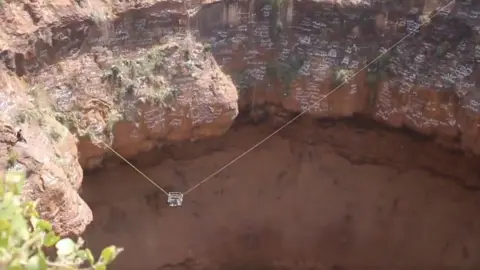
Al‑Qaqa Ibn Antar, a local free‑climber famous for his daring ascents, fell into Yemen’s Hardah Dam volcanic crater last Friday and died, a tragedy that left both his followers and a wider audience stunned.
The crater, renowned for its 120‑m‑wide opening and a sulfur‑laden lake at its base, has long attracted climbers and tourists, yet the area remains sacred to many of Yemen’s indigenous groups, who link the volcanic landscape to ancestral spirits and seasonal rituals.
After a video went viral showing Antar seemingly lose his grip on the near‑vertical wall, Yemen’s Civil Defence Authority described the immediate rescue as “highly dangerous” and praised the team’s “heroic efforts” in recovering his body from 30 m below the water surface.
The incident has sparked dialogue about the intersection of popular culture and environmental stewardship. It reminded communities that while social media can elevate daring feats, the layered cultural life within these geologic sites demands respect and precaution. The tragedy underscores the need for safer practices and deeper engagement with local knowledge when exploring such formidable landscapes.