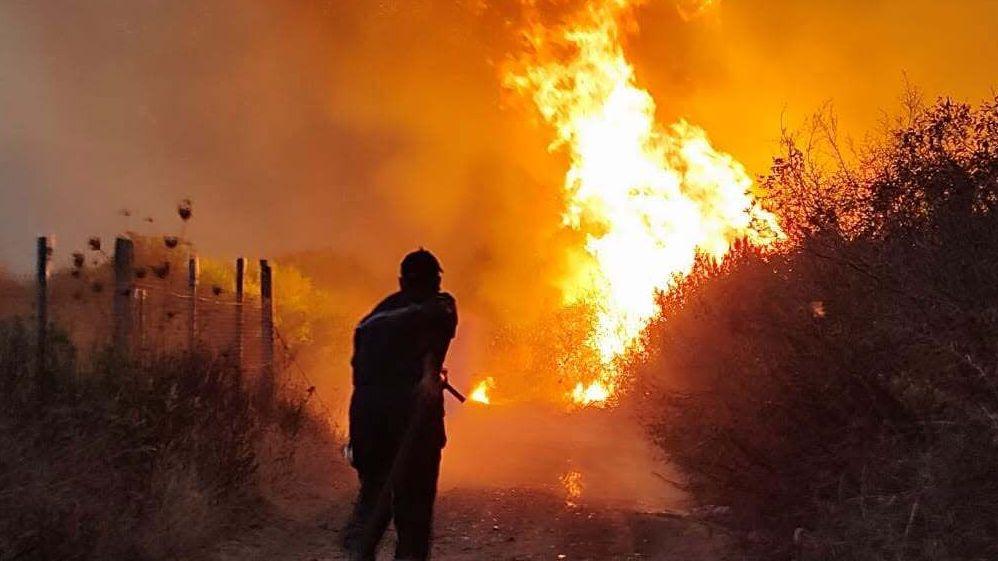
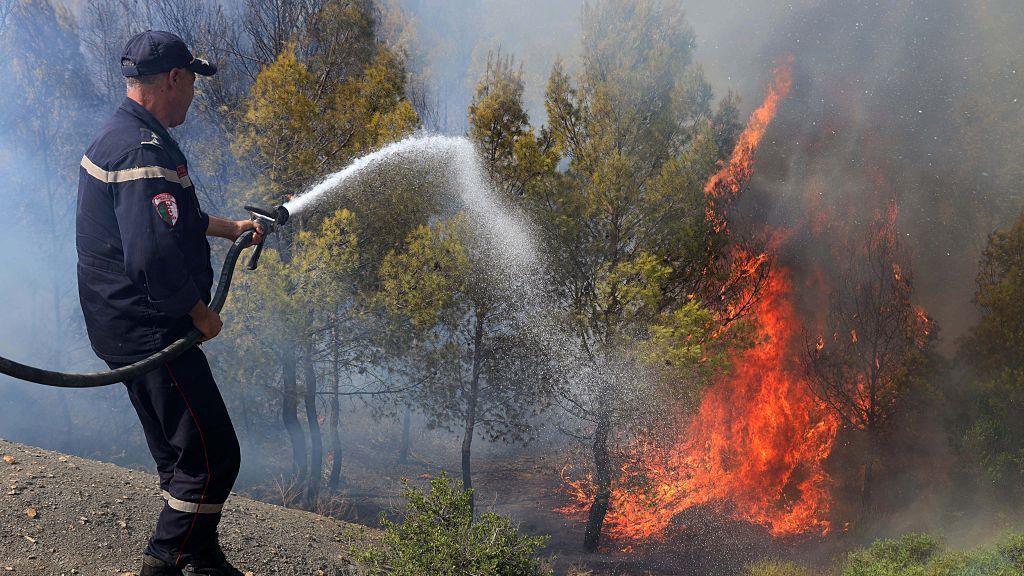
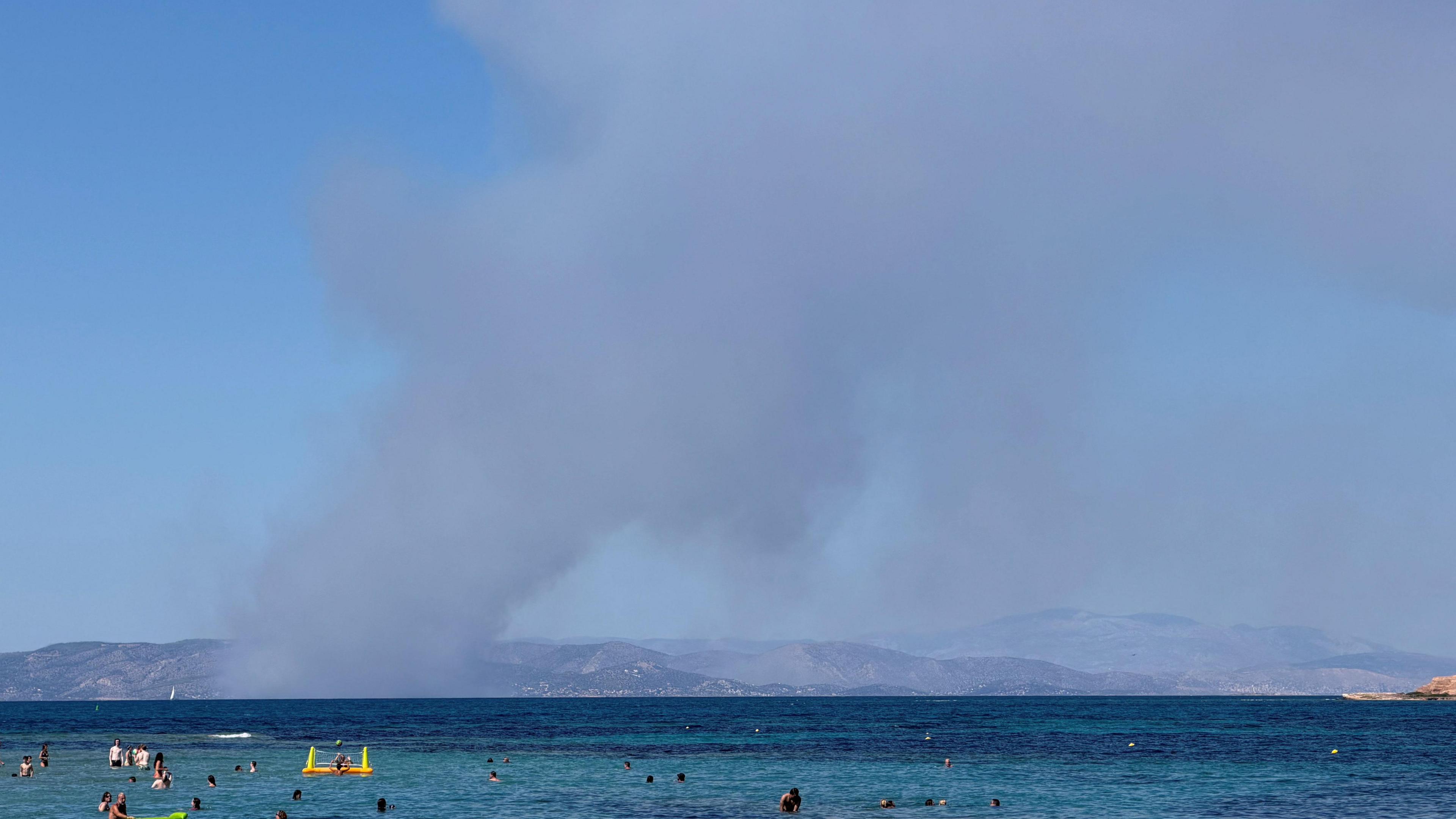
In early August, a ferocious wildfire swept through Spokane, Washington, igniting 10,000 acres of land and destroying more than 900 homes. Strong winds turned these flames into a relentless force that moved beyond the forest into the heart of Indigenous communities who have cared for this trinity of land, water, and sky for millennia.
The fire’s path bisected cedar groves—the source of medicine and mending—and salmon streams that have sustained generations of tribe members. Elders speak of the loss not only of timber but of the stories and ceremonies tied to these places. They warn that the disappearance of these natural resources erodes the continuity of cultural practices that have guided stewarding policies for hundreds of years.
While the immediate damage plainly shows the flames’ reach—evacuating 64,000 residents and leaving a landscape charred—there is an invisible wound that runs deeper. The fire interrupts the holist balance of ecosystems that Indigenous peoples have managed with guidance from ancient wisdom, forcing a reevaluation of fire‑regulation practices in the context of climate change and drought.
No deaths were reported, but the widening shadow of the blaze fuels a growing call for infrastructure that protects both human life and ecological heritage. In a recent community meeting, leaders urged collaboration with federal agencies to integrate traditional ecological knowledge into rebuilding plans, ensuring that new forest management strategies honor the land’s interdependent plots.
The Spokane wildfires are a stark reminder that the future of this region masks a complex blend of history, culture, and climate vulnerability—a future that Indigenous voices are leading with resilience and conviction.