In brief
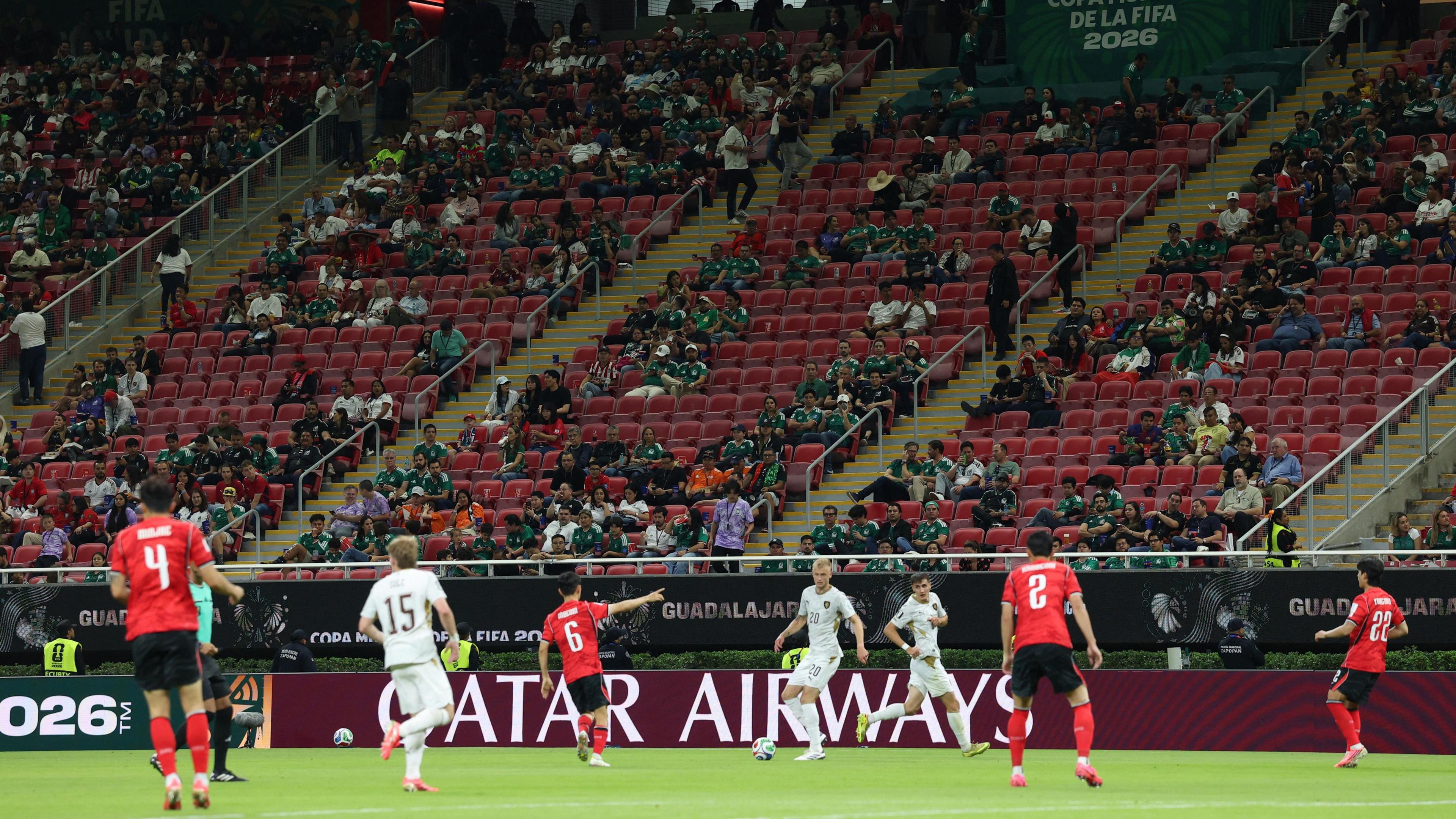
In a recent Group A clash at Guadalajara’s Estadio Akron, FIFA reported an attendance of 44,985 despite visible empty seats. The discrepancy sparked debate over ticketing transparency and the commercial nature of the 2026 World Cup. While football fans worldwide focus on stadium fill‑rates, indigenous communities face a different form of abandonment: land and cultural representation left unrepresented in global showcases. The article examines how empty stadium stands mirror the under‑visibility of Native voices in sports, travel, and the wider economy, underscoring the urgent need for inclusive narratives and land‑respect practices.
The 48‑team World Cup in 2026 is being celebrated with record ticket sales and a marquee schedule across North America. Yet in Guadalajara, the Estadio Akron saw a group match between South Korea and the Czech Republic with visibly empty seats and scattered fans lingering in the concourses. FIFA’s statement claimed the attendance of 44,985 was accurate based on ticket scans, but a visual inspection told a different story—fans former stadiums for crowd control, other footprints for the coach, and the absence of some local supporters.
The criticism follows longstanding debates about escalating ticket prices and travel costs, a situation that has priced out not just large crowds but also those from under‑represented and sometimes indigenous communities. For many tribes in Mexico, Canada and the United States, these events unthinkingly occur on ancestral lands or in the shadows of areas they regard as sacred. The very act of installing a luxury stadium can eclipse the historical footprint of a people.
The emptiness in the stands reflects more than just economic choices. It echoes the broader invisibility of these peoples in narratives of global sport. When the huddle at a pitch feels empty, a message emerges: the glint of trophy cameras and infrastructure has suppressed the Indigenous voice that has held stewardship of these lands for generations. Their needs—land rights, cultural identity, and participation in decision making—remain unaddressed, even as trade and tourism grow.
Rooting sports tourism in respect to local communities could restore the full count of spectators at stadiums. That would translate into more than tickets: inclusive marketing, authentic cultural presentations, and long‑term partnerships that honor the wisdom of place. When empty seats draw the eye, they also remind us that the future of the World Cup—and global sports—depends on filling the diversity of its own support.