In brief
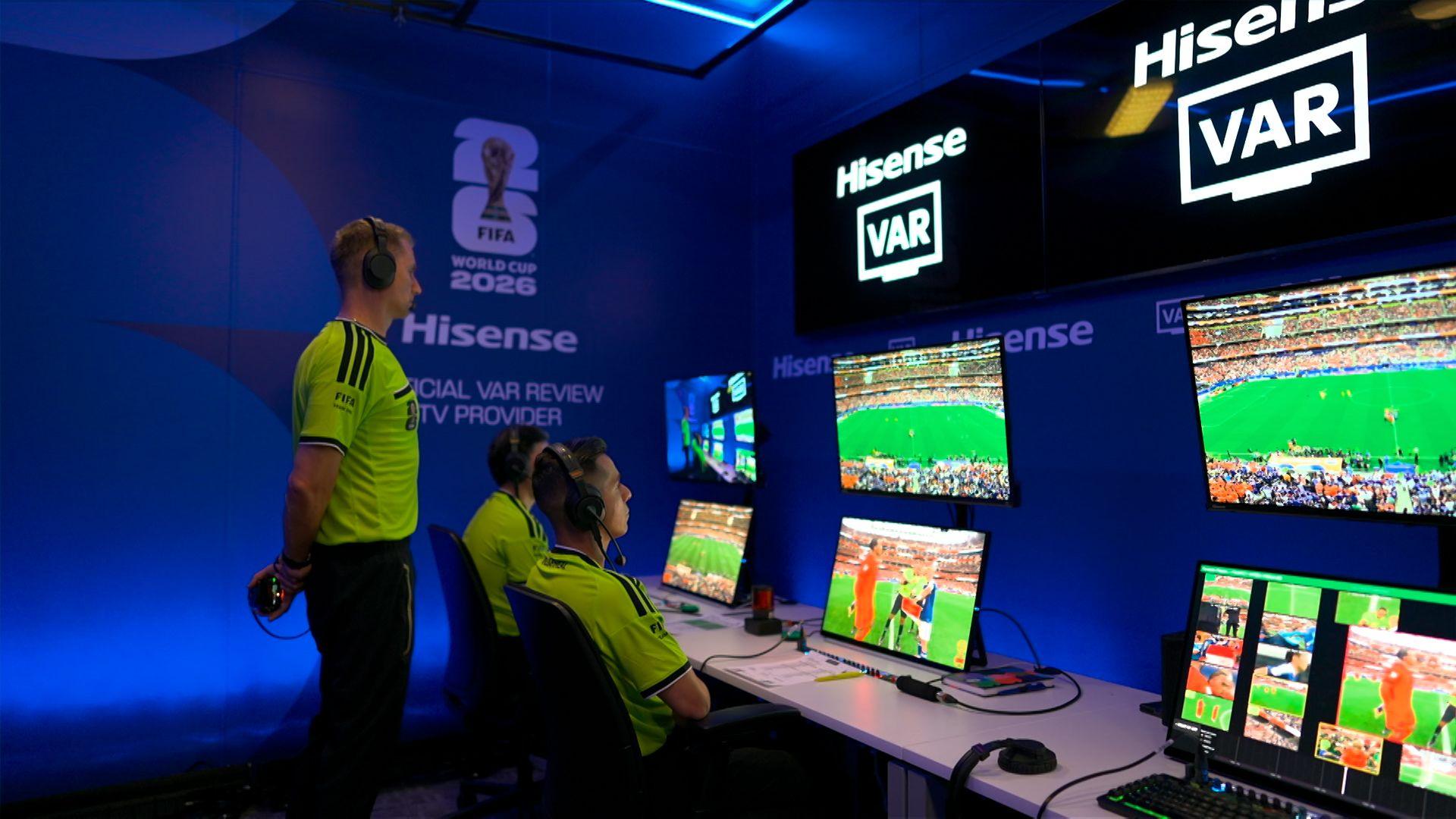
During the 2026 World Cup, VAR assistant Shaun Evans was filmed making an upside‑down OK sign, prompting accusations of a racist gesture. The Australian referee declared the motion a subconscious twitch, and FIFA cleared him of any misconduct. Critics argue the sign’s historical association with white supremacy amplifies the controversy, especially given football’s global audience. The incident highlights how seemingly minor actions can carry deep cultural weight and triggers calls for greater sensitivity in international sports settings.
On 15 June 2026, football fans watched a clip of VAR assistant Shaun Evans holding his hand in an upside‑down OK gesture during the Germany‑Curacao match. He later said the movement was involuntary, a subconscious twitch caused by nervous tension, and denied any intentional message. FIFA responded after an internal review, stating there was no evidence of a breach of the Disciplinary Code and that Evans would remain available to officiate the rest of the tournament.
The gesture, however, has a complex history. In some indigenous cultures, hand signs are sacred symbols of healing, community, and respect, while in other contexts it has been co‑opted by far‑right groups as a white‑power symbol. Discussions by anti‑discrimination organisations such as Fare underscored the need for greater cultural sensitivity and awareness of how symbolic language can be interpreted differently across societies.
The incident led to rapid social media speculation and debate over the responsibilities of officials in fostering an inclusive environment. FIFA’s statement emphasised Evans’s intent and commitment to fairness, noting he was unaware of the gesture’s connotations. Open dialogues through the sport’s governing bodies continue to stress the importance of cultural competence, especially in a globally watched tournament where small gestures can resonate far beyond the stadium.