Starship’s Pacific Splash: Indigenous Voices on Space, Sea and Sacred Waters
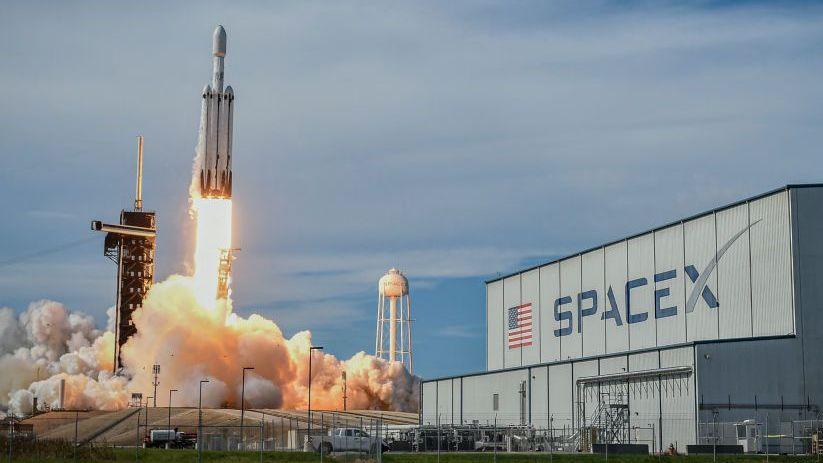
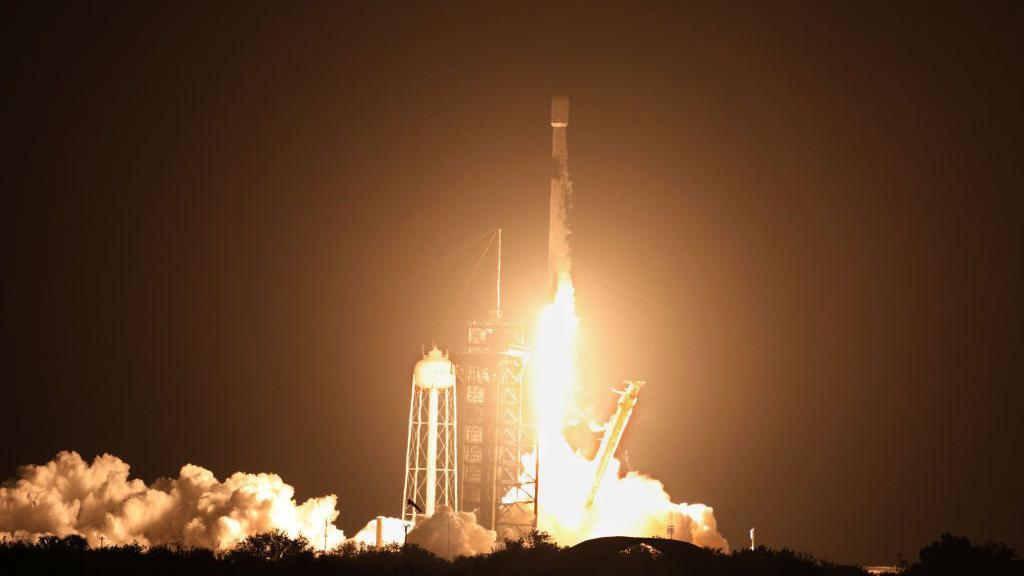
SpaceX’s ambitious Starship test reached orbit and returned to Earth after a fiery splashdown in the Pacific Ocean. While the company celebrated a “successful flight” and the deployment of 26 new Starlink V3 satellites, the event stirred unease among Pacific Island communities whose lives depend on healthy waters.
For indigenous peoples, the sea is a living entity, a source of medicine, sustenance, and cosmological narrative. The sudden burst of heat and debris in the ocean raises concerns about pollution and impacts on marine life that sustains traditional practices such as fishing and shell‑harvesting. Indigenous elders fear that repeated launches could erode the delicate balance many cultures have maintained for centuries.
The Starship’s deployment of satellites also touches on the broader theme of human expansion into space. Indigenous advocates argue that the pursuit of extraterrestrial exploration should be guided by the principles of stewardship embedded in ancestral knowledge—respect for all living things, intergenerational responsibility, and the safeguarding of Earth’s ecosystems before venturing beyond.
This event highlights the need for dialogue between space agencies and indigenous communities. By incorporating traditional ecological knowledge into the planning of launches and recovery operations, we can move toward more sustainable, inclusive spaceflight that honors both technological progress and the sacred places that ground humanity.