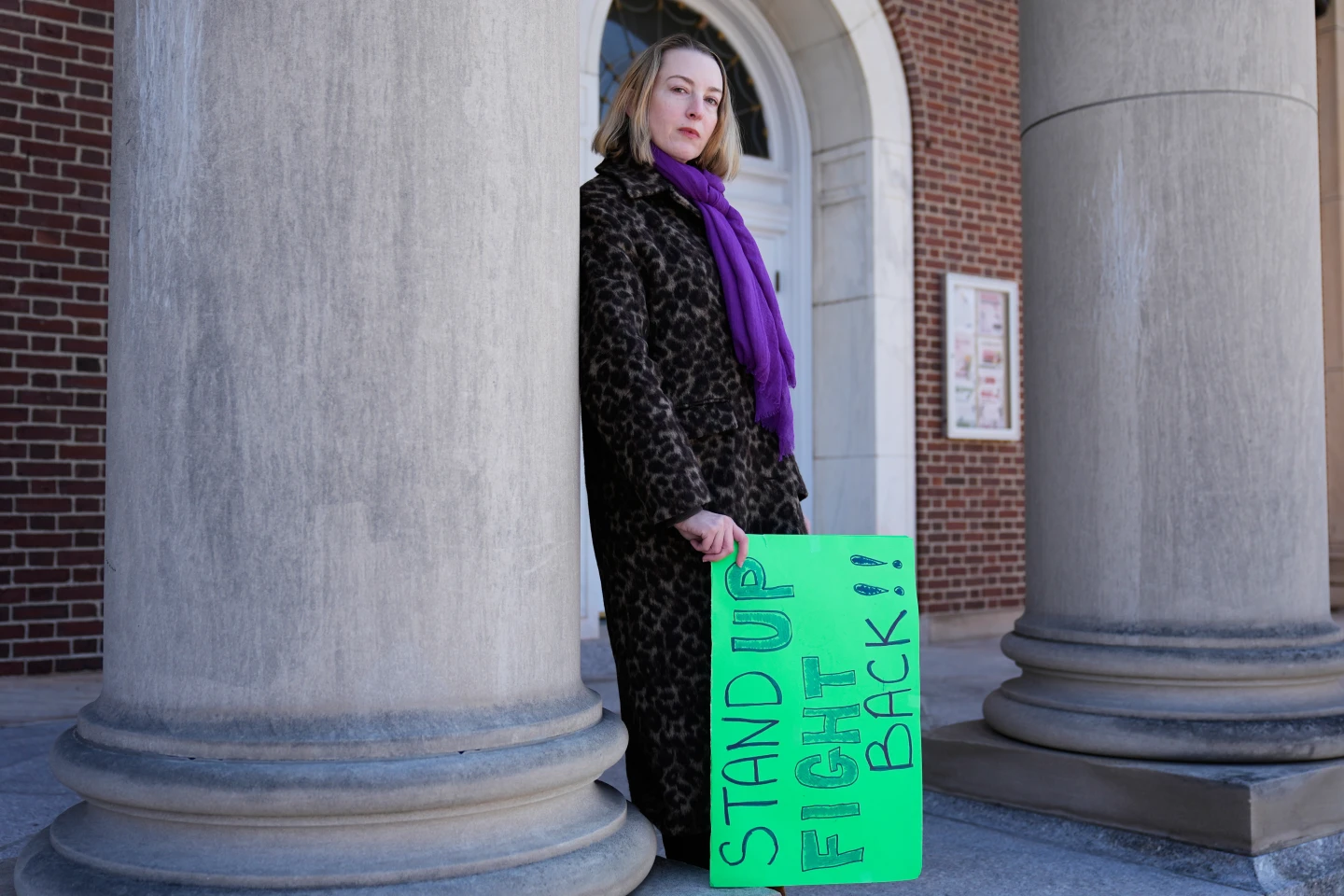
MONTCLAIR, N.J. — A notable shift is occurring in affluent suburbs of New Jersey, where residents who once remained aloof from political engagement are now stepping forward as activists. Women like Allison Posner, a mother of two, have taken on significant roles in community organization, distributing food and supplies to immigrant families, all while coordinating protests against the Trump administration.
This weekend, Posner will lead a protest march, drawing thousands who oppose President Trump's political direction, which they see as a threat to democracy. “We're seeing a radicalization of suburban residents,” Posner states firmly.
The mobilization isn’t isolated to New Jersey. Nationwide, suburban residents are increasingly participating in progressive movements, demanding change especially in light of the upcoming elections. Reports show that over 9 million individuals will join what could be the largest protests in U.S. history, organized by activist groups such as Indivisible.
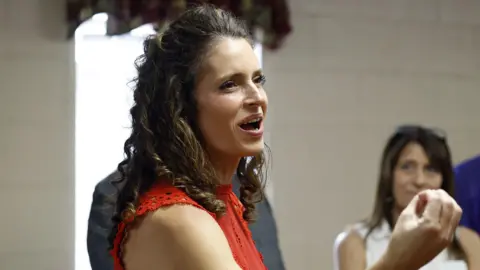
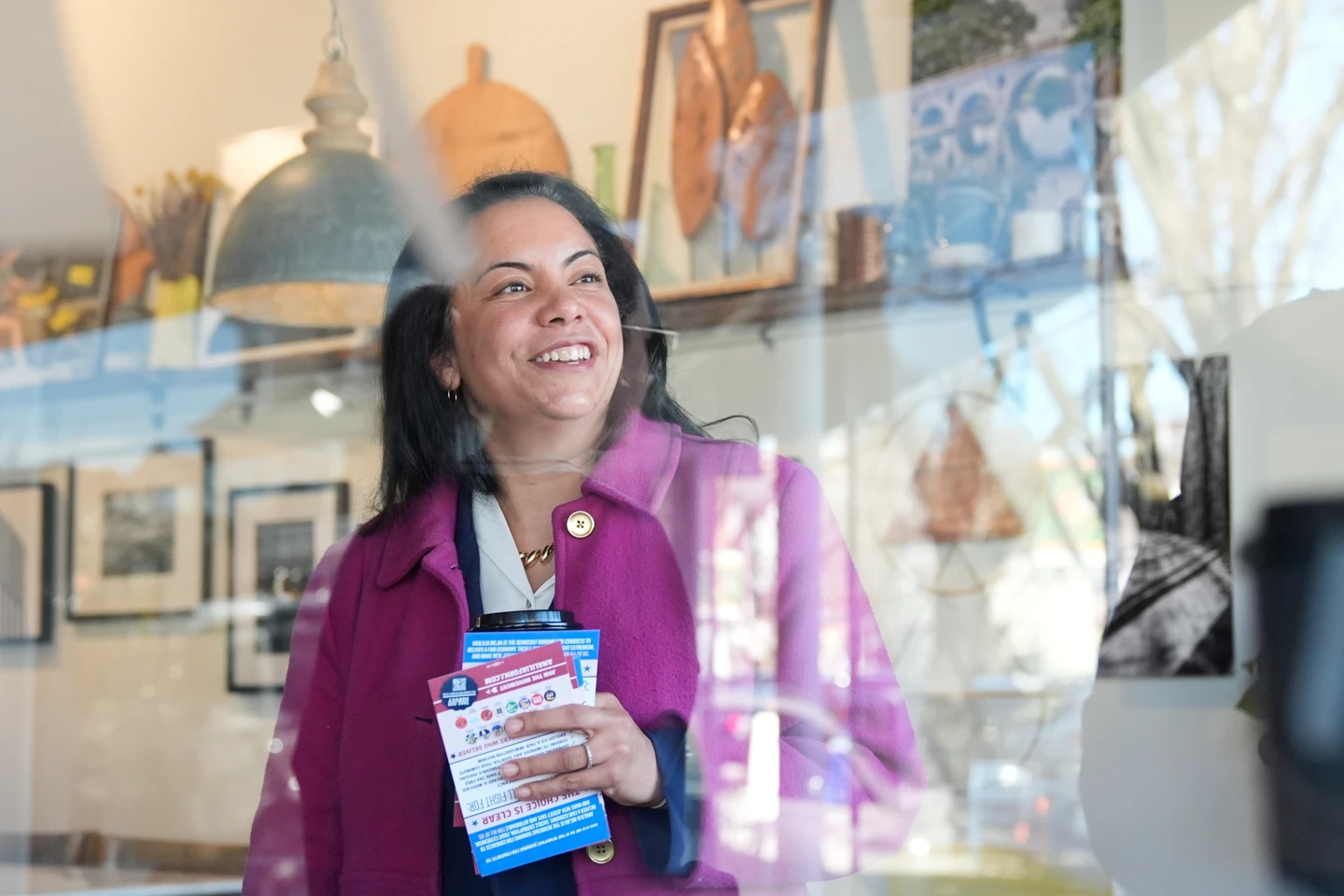
In New Jersey's 11th District, significant momentum surrounds Analilia Mejia, a progressive candidate who has captured the interest and support of discontented suburban voters. Outcry against issues like immigration policy, health care, and police accountability have brought new energy to local politics, prompting traditional moderates to take a stand.
Experts note that there’s a critical distinction between prior political apathy in these suburbs and the current wave of activism, emphasizing how events through the Trump administration have galvanized a diverse coalition of voters. The formerly Republican stronghold is now leaning Democratic, reflecting growing discontent with authoritarian rhetoric.
As Posner mentions, “This isn’t just someone else’s fight; it’s our fight.” With growing numbers of residents willing to participate in activism and support candidates like Mejia, a common sense of urgency and solidarity is developing among suburban voters across America.