Supreme Court Upholds Birthright Citizenship: A Strengthening of Indigenous Rights
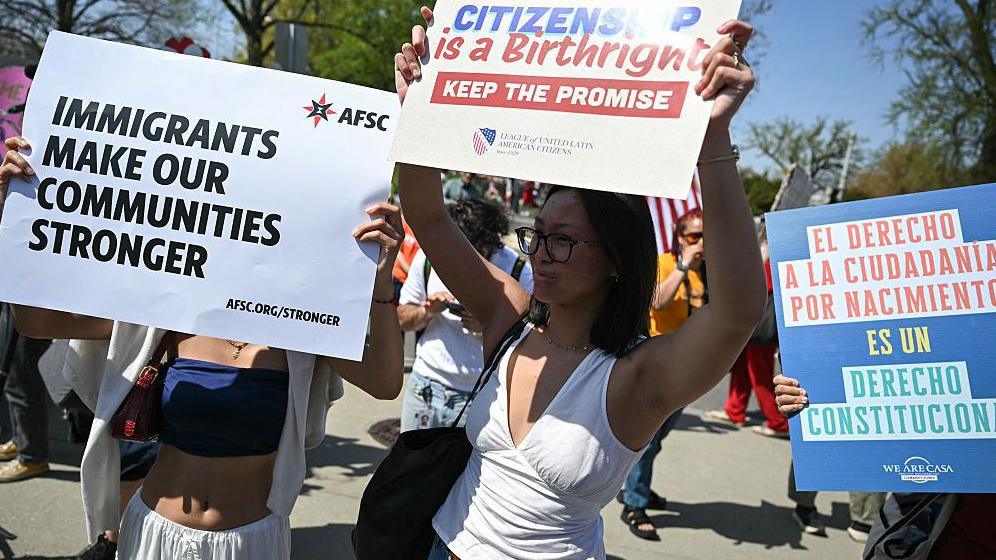
In a decisive 6‑3 opinion, Chief Justice John Roberts ruled that any child born in the United States—whether or not the parents are legal residents—is afforded citizenship by the 14th Amendment. The decision strikes down President Donald Trump’s executive order that sought to end birthright citizenship for children of undocumented immigrants or certain temporary visa‑holders.
The ruling has profound implications for Indigenous peoples who live in both reservation and urban settings. Many Indigenous families, denied recognition in historical federal policies, have long depended on the guarantee that citizenship is not contingent on parental status. The Court’s affirmation provides a secure legal footing for Indigenous students seeking federal funding, public schools, and health‑care programs that require citizenship status.
Indigenous scholars and leaders framed birthright citizenship as part of an evolved constitutional promise. Historically, the 14th Amendment was drafted to extend full civil rights to freed slaves; the same principle applies to Native Americans, who, despite complex treaties, have been entitled to U.S. citizenship since the 19th century. As Justice Roberts wrote, “citizenship, then and now, was the right to have rights.”
The decision also reinforces the non‑delegative principle that citizenship cannot be revoked by newer administrative actions. For Indigenous tribes that rely on treaty guarantees, the ruling acts as a reminder that United States law will not arbitrarily strip the nation‑wide status of those born on its soil.
Civil‑rights advocates celebrated the Court’s stance, calling it a triumph for inclusivity and the defense of constitutional values. They emphasize that birthright citizenship guarantees that every child born in America—especially those in historically marginalized communities—has equal access to the life’s opportunities, whether in healthcare, education, or political participation.
The Supreme Court’s decision marks a historic moment for Indigenous peoples and all U.S. citizens alike, ensuring that the promise of citizenship remains unshaken for future generations.