In brief
In July 2026 Syria’s Interim President Ahmed al‑Sharaa announced the final slate of 70 members for the newly‑formed People’s Assembly, marking a pivotal moment in the country’s post‑Assad transition. The selections include 15 women, 13 individuals who survived imprisonment under the former regime, and representatives from key minority groups such as the Druze and sects in the northeast. Critics, however, have raised concerns over the legitimacy of the electoral process and the potential influence of the president in reshaping the house. As the parliament is set to convene, voices within Syria’s indigenous and minority communities—particularly the Druze and Kurdish groups—emphasize the need for true representation and the safeguarding of cultural heritage in law‑making. The UN’s deputy special envoy highlighted both progress and fragility in the transition, urging inclusive participation for lasting stability.
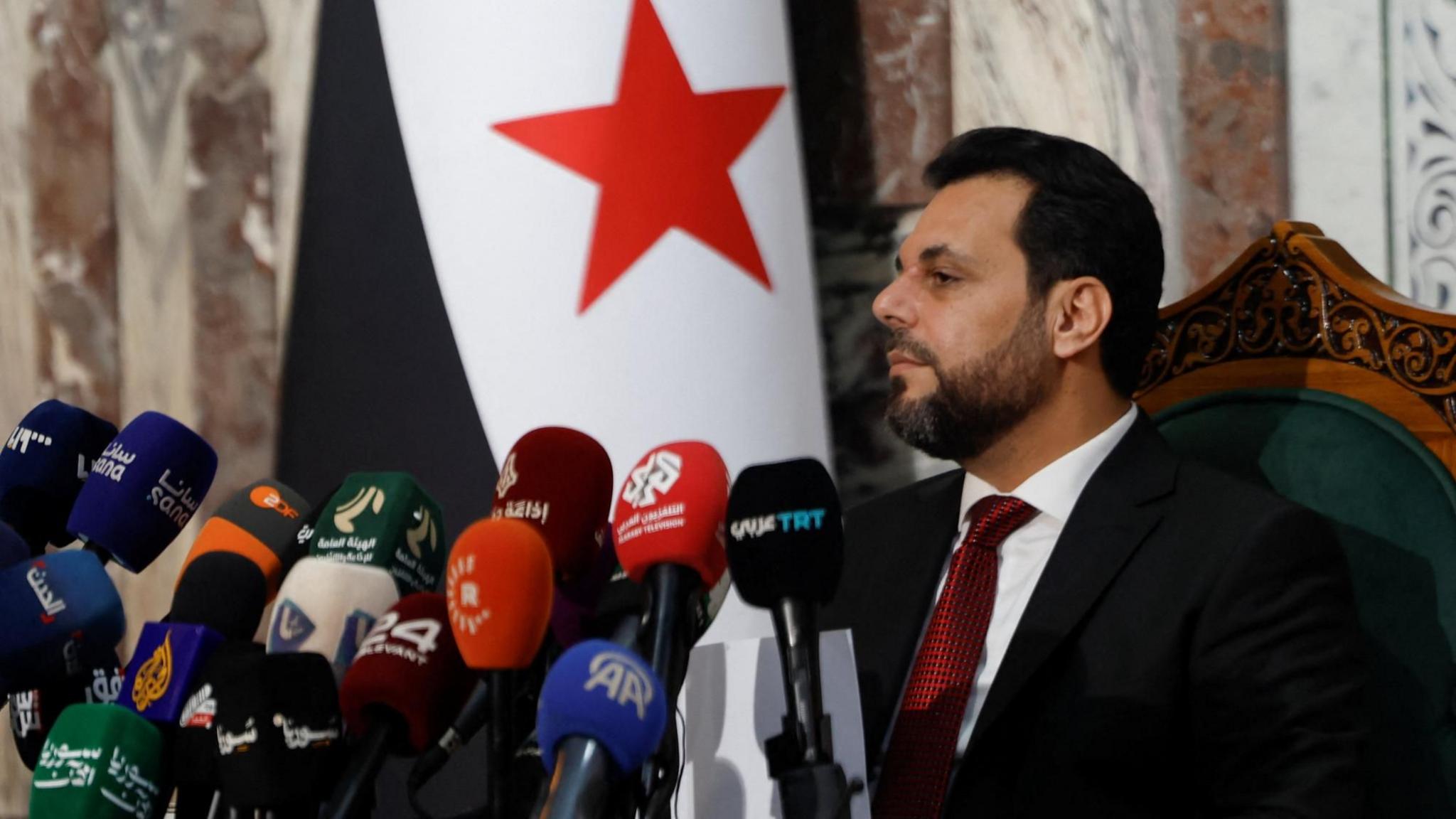
On 1 July 2026, the interim Syrian president, Ahmed al‑Sharaa, unveiled the final 70 members of the country’s new People’s Assembly, paving the way for the first parliamentary session next week.
The appointments comprise 15 women and 13 former detainees of Bashar al‑Assad’s civil‑war regime, signalling an explicit attempt to balance gender and experience with participation of those who suffered under the junta. The selection also includes representatives from Iraq and the southeast, notably Druze and other minority communities traditionally rooted in the region.
Al‑Sharaa has stated that the appointments combine “the voice of sacrifice and the voice of experience” to reinforce national unity and reflect Syria’s diverse social fabric. Yet civil‑society groups warn that the president’s control over the Higher Committee and electoral colleges undermines the contest’s legitimacy, potentially allowing the executive power to dominate the nascent legislative body.
The Kurdish parties of the north‑east and 14 civil‑society groups openly criticized the process, citing exclusion and marginalisation of Kurdish voices. The absence from the seat counts of eastern Druze, Bedouins and Sunni tribes underlines persistent gaps despite the explicit inclusion of one Druze incumbent from Suweida.
United Nations deputy special envoy Claudio Cordone reiterated that the transition is “critical”; he stressed the need for the Assembly to include mechanisms for new laws, accountability, and community voices that reflect the country’s rich indigenous heritage.
While the appointment of so‑called “martyr relatives” and “survivors of chemical attacks” may resonate with collective memory, ensuring that legislation accounts for the rights and traditions of Syria’s Druze, Kurdish, and other longstanding ethnic groups remains a pressing concern for the emerging legal framework.
As the People’s Assembly prepares to convene, the inclusion of marginalized voices will be instrumental in forging a legal system that not only rebuilds the nation’s political structure but also respects the cultural and historic identities that have persisted through centuries of turmoil.