In brief
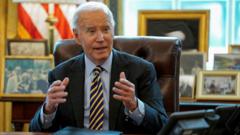
Joe Biden's prostate cancer revelation has ignited discussions about his health while in office and the implications for his re-election campaign.
In a jarring announcement, President Joe Biden disclosed on Sunday that he has been diagnosed with prostate cancer, a revelation that has reignited scrutiny over his health during his tenure in the White House. The diagnosis, confirmed after experiencing urinary symptoms, has raised urgent questions about how long he may have been affected and why it wasn’t detected earlier.Biden, who is now 82, received the diagnosis from his doctor the previous Friday. Medical professionals have expressed surprise that the aggressive nature of the cancer, which has metastasized to his bones, wasn’t identified sooner. They noted that prostate cancers may advance rapidly without noticeable symptoms, particularly in men over 70, who do not undergo routine screening.Former President Donald Trump weighed in on the matter, suggesting that Biden should have been more forthcoming about his health. "It’s very sad actually. I am surprised that the public wasn't notified a long time ago,” Trump told reporters at an event on Monday, implying that there might have been a cover-up regarding the disease. Biden has not yet responded to these allegations, which come at a time of heightened concern regarding his overall health leading into the 2024 election.Critics have increasingly pointed out the potential impact of Biden’s deteriorating health on his fitness for office, with some saying he lacked mental sharpness during his final year. According to a new book by journalists Jake Tapper and Alex Thompson, Biden struggled to recall prominent figures and had visible physical difficulties, prompting discussions within his administration about the necessity of assistive devices like a wheelchair. This narrative provoked anxiety within the Democratic Party as they face a close election cycle.As the news of his cancer diagnosis circulates, Vice President JD Vance has publicly expressed well-wishes but also questioned whether there was an effort to obscure Biden’s health realities, emphasizing that fitness for duty is paramount. Dr. Ezekiel Emanuel, a former Covid advisor, suggested that Biden might have had the cancer since at least the beginning of his presidency in 2021, although the U.S. medical community does not recommend routine screenings for prostate cancer in older men due to the slow-growing nature of many cases.Historically, Biden had previously reported benign prostate enlargement and had undergone treatment, leading to inquiries about the thoroughness of his health screenings while he was president. Dr. Chris George from the Northwestern Health Network remarked on the improbability that Biden had normal health screenings in the past year, given the aggressiveness of his current diagnosis. In contrast, Dr. Robert Figlin of Cedars-Sinai Cancer cautioned against assumptions of oversight, highlighting that the presentation of aggressive prostate cancer is not particularly rare.As Biden navigates this new chapter, the broader implications of his health on public perception and the upcoming election linger, with cancer impacting countless families and communities across the nation.