NASHVILLE, Tenn. — A highly scrutinized special election to fill Tennessee's 7th U.S. House Congressional District seat is underway, with both major parties aiming to establish a foothold ahead of the 2024 midterm elections. The stakes are high for Democrats, who seek to build momentum from recent victories in other states, while Republicans work to uphold their solid grasp on the traditionally conservative district.
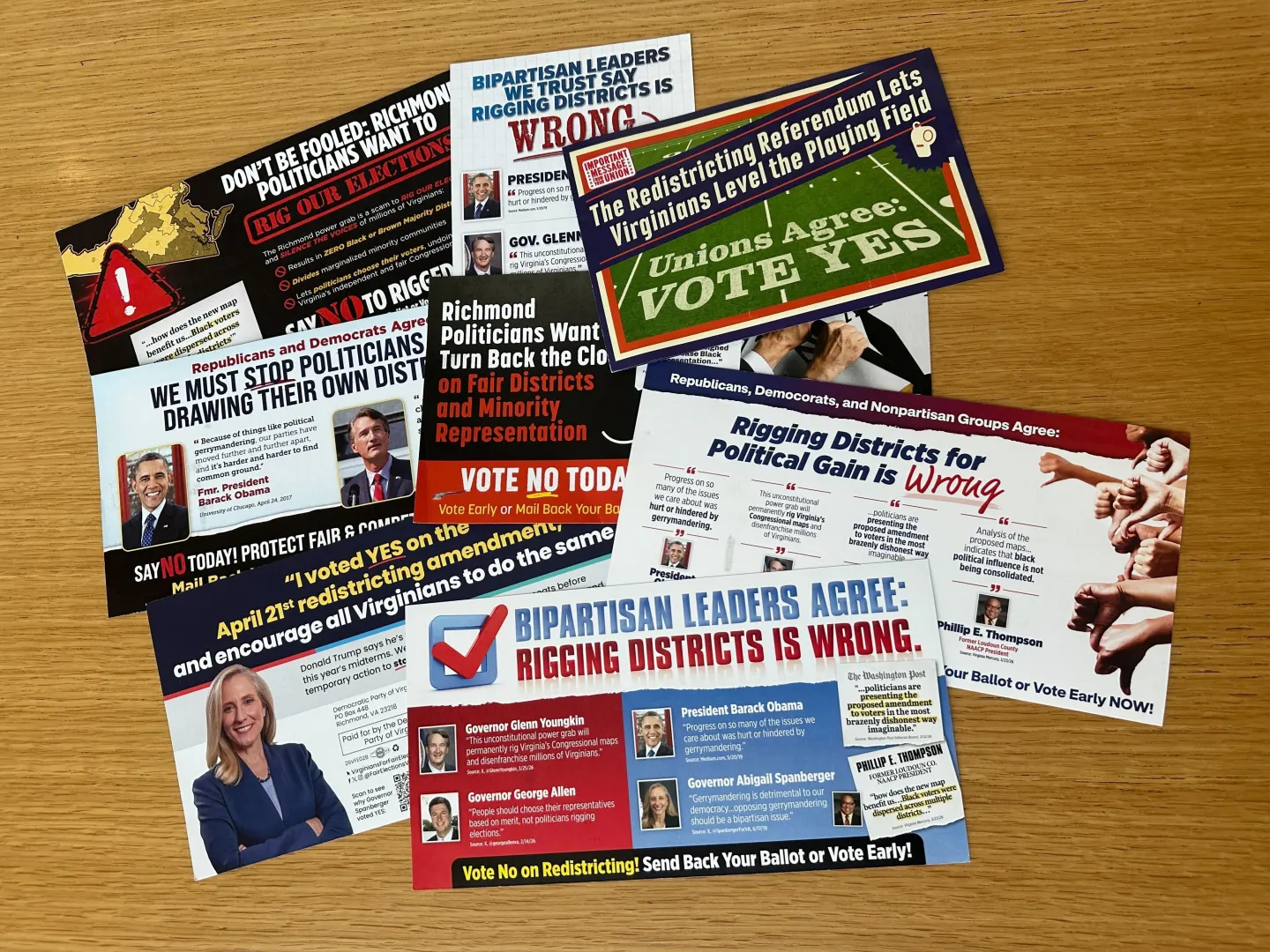
The election comes after the resignation of Republican Rep. Mark Green, and as candidates ramp up their campaign efforts, expenditures have surged, seen notably in ads and mail campaigns flooding the Nashville area.
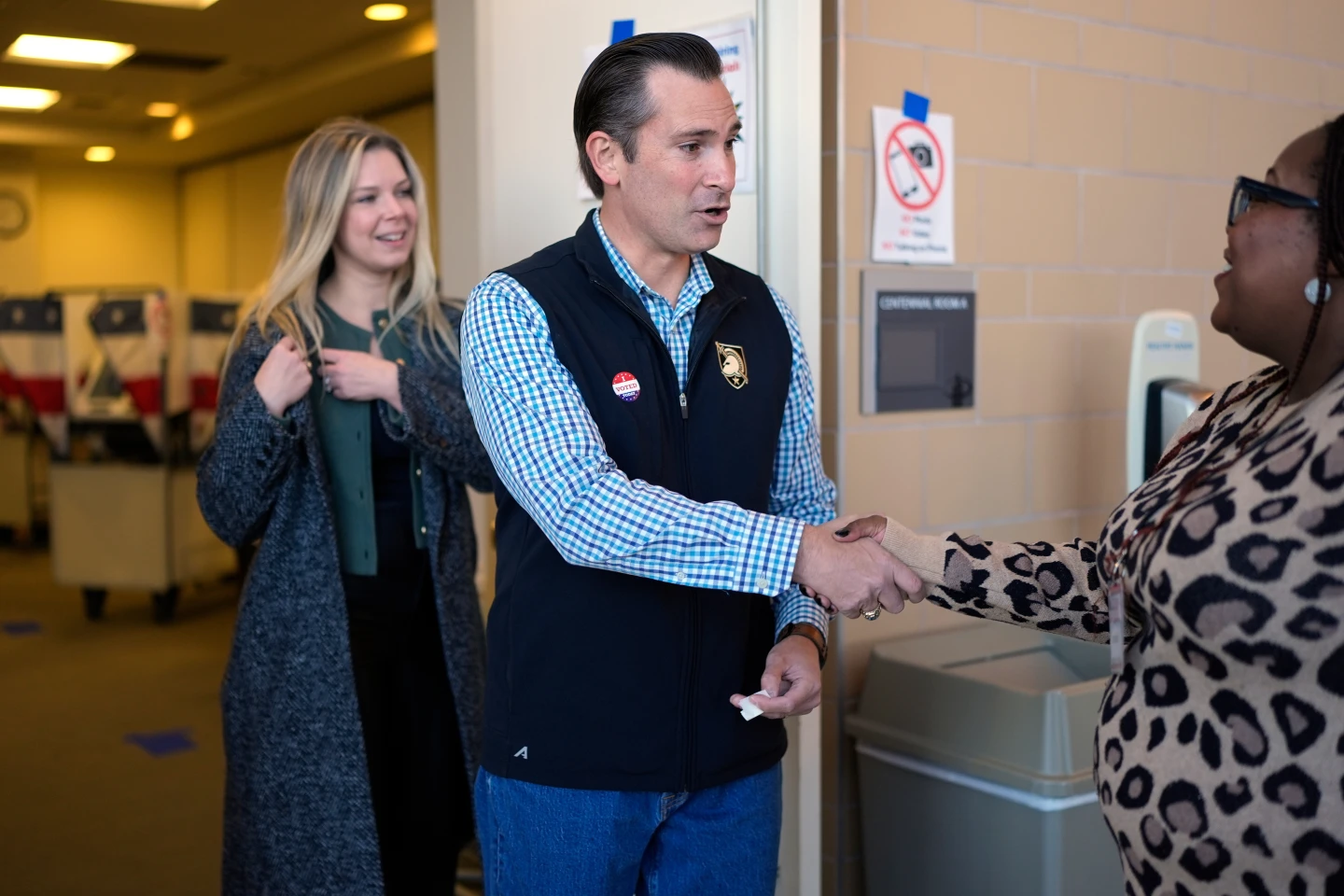
Matt Van Epps, the GOP candidate, is set to capitalize on more than $1 million in support from the PAC MAGA Inc., signaling a renewed push from former President Trump, who held virtual rallies for Van Epps, calling for support within a district that heavily backed him in past elections.
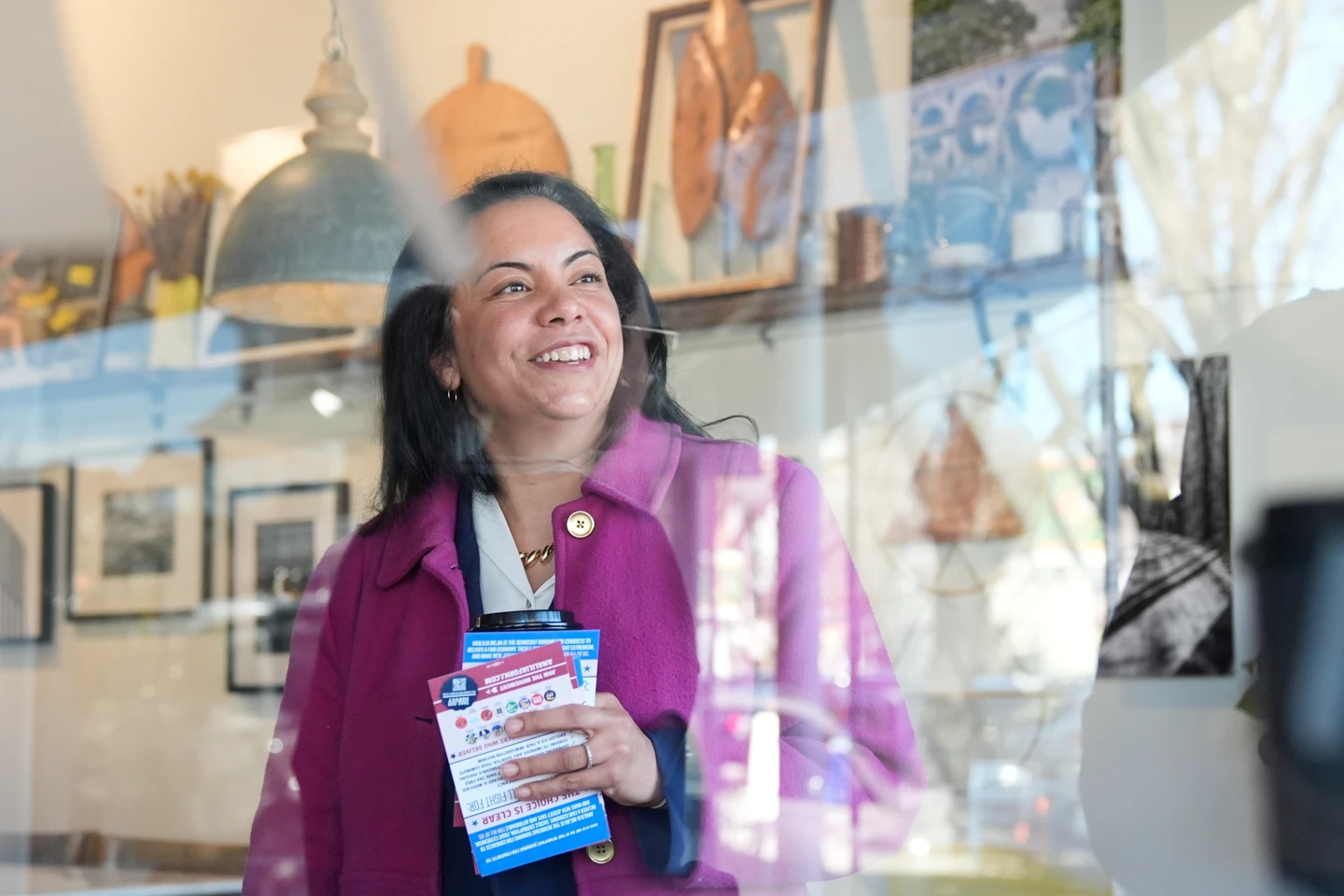
The Democrats are pinning their hopes on state Representative Aftyn Behn, who has received substantial backing from the House Majority PAC and a visit from national party leaders keen to energize voters. Notable figures such as former Vice President Kamala Harris and Tennessee native Al Gore have also lent their voices to Behn's campaign.
The race is set against a backdrop of broader electoral trends, where Democrats have recently made headway in traditionally Republican strongholds such as New Jersey and Virginia. A strong performance in Tennessee could embolden the party, while failure could reaffirm the GOP's dominance despite Trump's challenging approval ratings amidst lingering economic discontent.
Amidst the political vigor, concerns loom regarding voter turnout. The timing of the election near the Thanksgiving holiday may hinder engagement, with many voters potentially distracted by holidays rather than participating in early voting.
As the campaign heightens, both candidates are addressing concerns directly tied to their opposing histories in Nashville. While Van Epps often capitalizes on Behn’s negative remarks about Nashville in the past, she works to pivot conversations towards economic issues, citing growing concerns over cost of living and the struggles of working-class families in the area.
Democratic messaging efforts even extend to persuading independent voters to lean their way, aiming for a breakthrough win in what might otherwise be seen as a Republican stronghold.
As election day approaches, the dynamics of this race reveal much more than just a contest for a single seat; they signify potential shifts within the national political landscape as electoral strategies evolve.