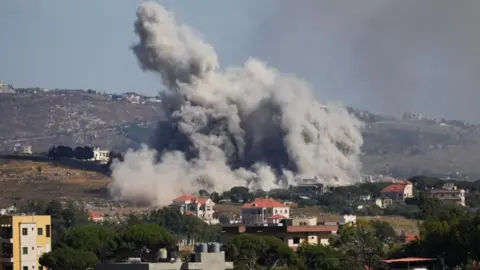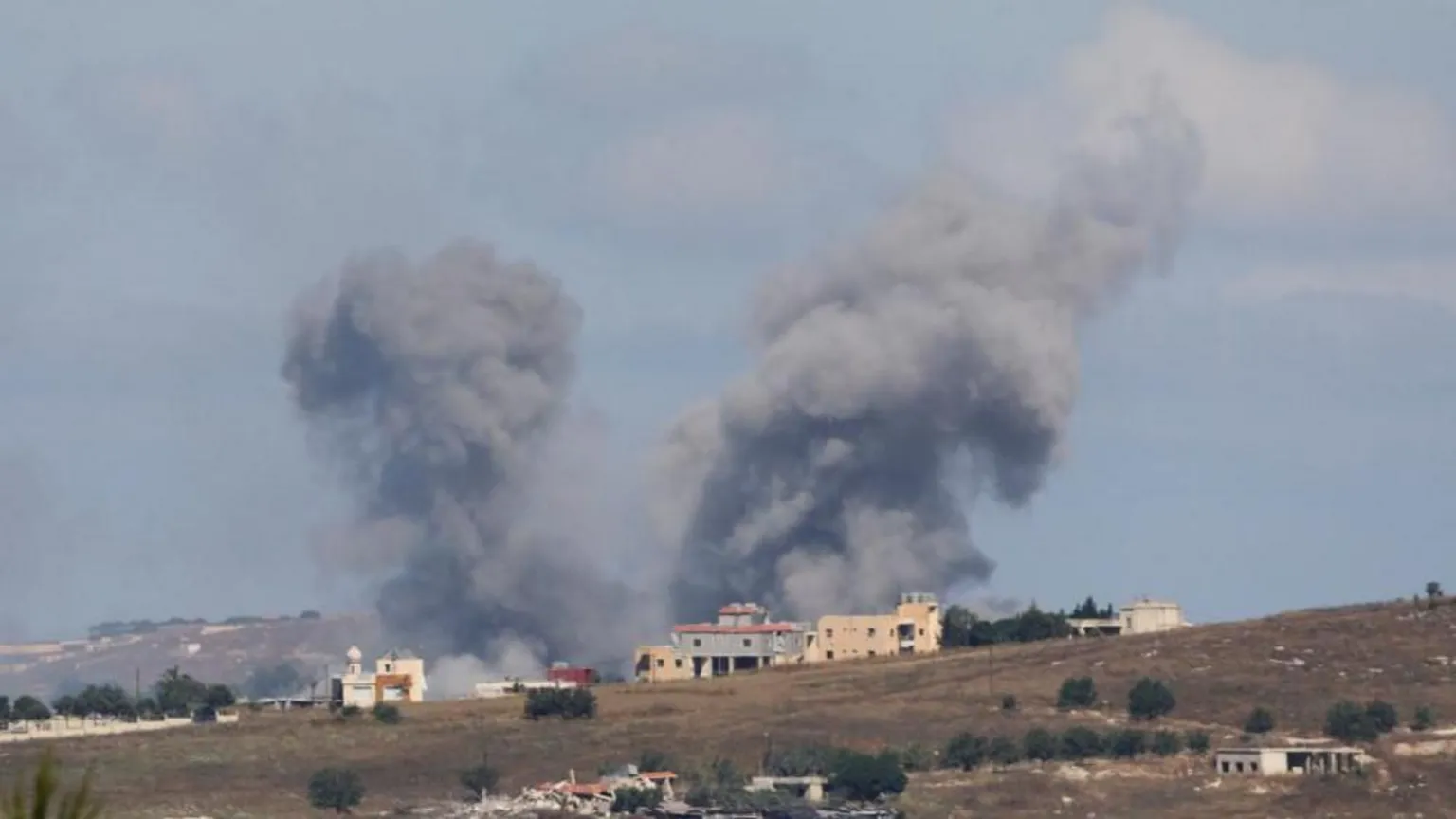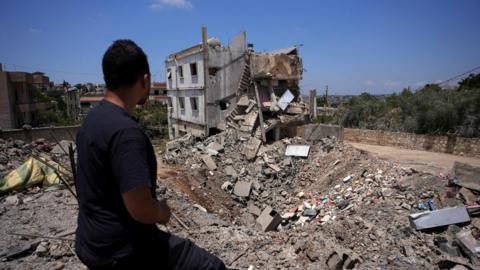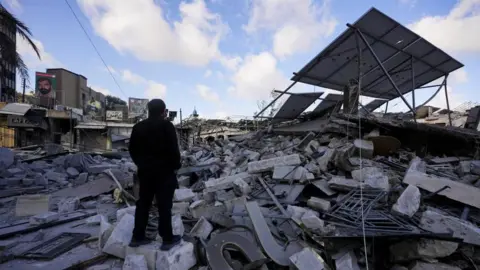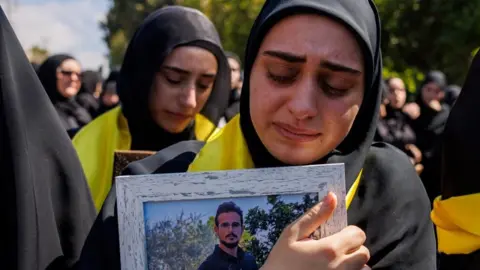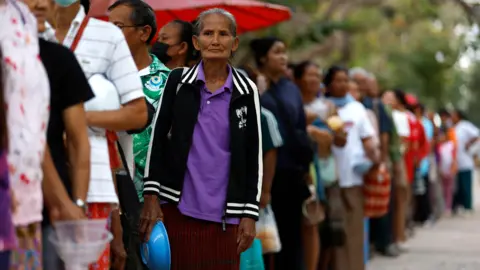
Officials from Thailand and Cambodia will meet next week to discuss the possibility of reviving a ceasefire, as deadly border clashes continue for the third week. The fighting, which has escalated recently, has displaced approximately 900,000 people from both sides, with at least 41 reported deaths.
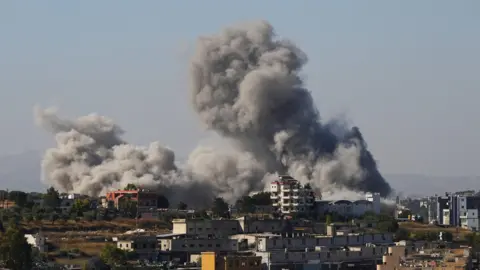
Previously, a ceasefire was agreed upon in July, brokered by US President Donald Trump, but clashes resumed in December, each country blaming the other for the renewed hostilities. The latest rounds of fighting have involved artillery exchanges and air strikes, with Thailand escalating its military responses.
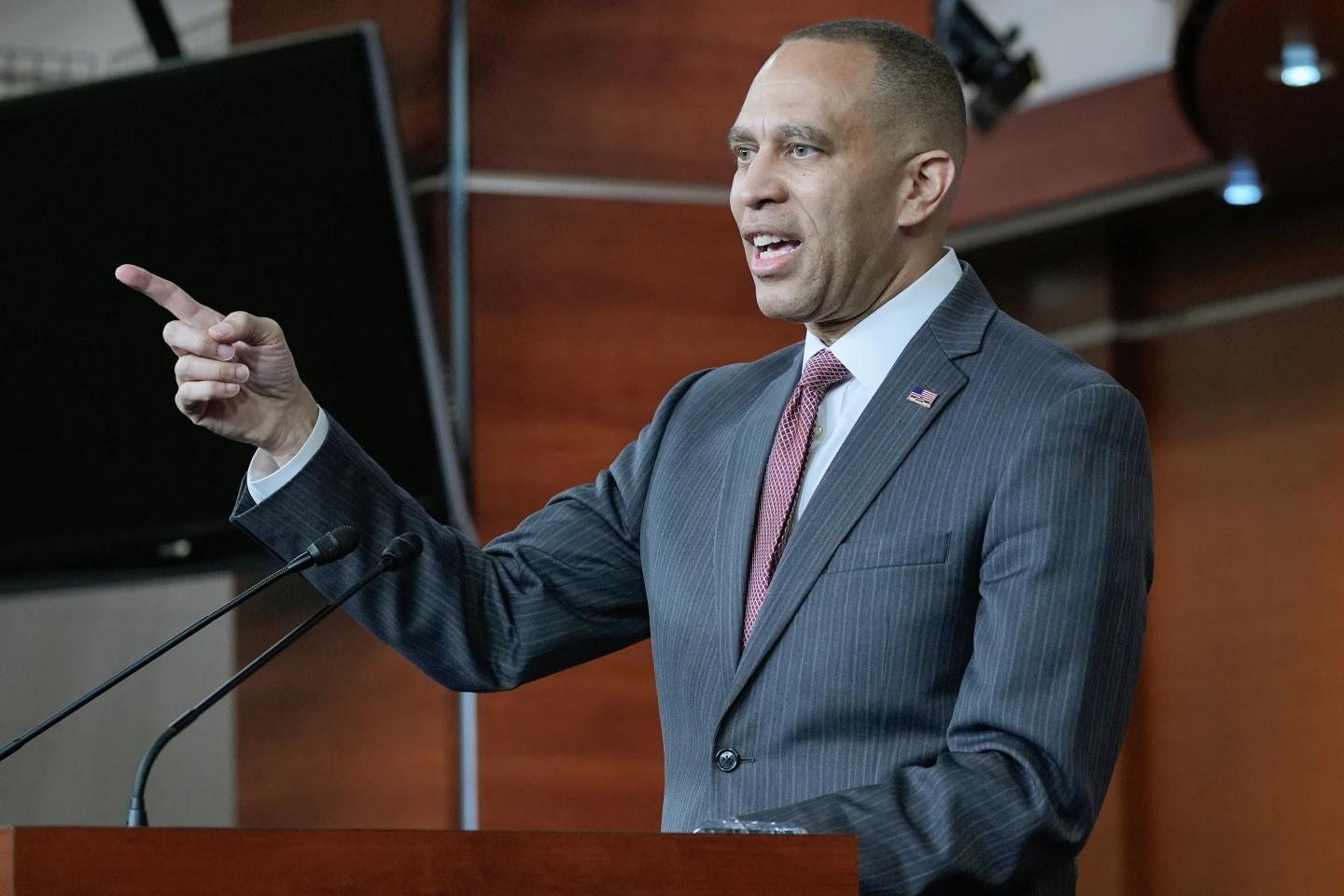
In a recent meeting in Malaysia, Thailand's Foreign Minister criticized the rushed July ceasefire, indicating that it was influenced by external pressures rather than a comprehensive understanding of the ground reality. He emphasized the need for thorough discussions to establish a sustained and effective ceasefire.
Despite the urgency voiced by officials, including a call from Malaysia's foreign minister for immediate attention to the situation, Cambodia has yet to publicly respond to the proposed talks. Experts express concern that continued escalation could undermine regional stability and the credibility of ASEAN as a diplomatic entity.
International efforts, particularly from the US and China, are ongoing to mediate this conflict. China's special envoy last week reaffirmed Beijing's commitment to facilitating dialogue between the two nations, indicating the potential for broader geopolitical ramifications as involved parties attempt to navigate this complex situation.