In brief
UN experts have reported improvements in food supplies in Gaza since the ceasefire, but over 100,000 residents continue to face catastrophic food insecurity. The Integrated Food Security Phase Classification (IPC) highlights that while the situation may gradually improve, it remains fragile as half a million people are still in emergency conditions. Concerns about humanitarian access and ongoing conflict pose risks to food security in the region.
UN-backed food security experts have found improvements in nutrition and food supplies in Gaza since the ceasefire but say 100,000 people were still experiencing catastrophic conditions last month.
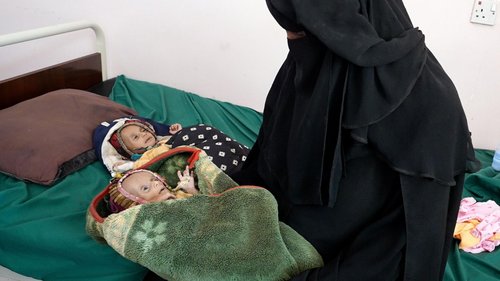
In August, the Integrated Food Security Phase Classification (IPC) found that half a million people – about a quarter of Gaza's population – were living in areas suffering from famine.
Since a fragile ceasefire came into force in October, the UN and other humanitarian agencies have been able to increase food getting into Gaza.
Israel's foreign ministry said the report was deliberately distorted and doesn't reflect the reality in the Gaza Strip.
The latest IPC analysis suggests that a month ago, half a million Gazans were still facing emergency conditions and more than 100,000 were still under the highest level of food insecurity - IPC Phase 5 - experiencing catastrophic conditions.
It projects that number will continue to decrease but stressed the situation remains highly fragile.
IPC Phase 5 signifies the most extreme level of food insecurity, labelled Famine for an area or Catastrophe when referring to households. The report said no areas in Gaza were now classified as in Famine.
Israel rejected the original findings of famine by the IPC - which monitors and classifies global hunger crises - and has continued to criticise its methodology.
Cogat, the Israeli military body which controls Gaza's crossings, said the number of trucks with food aid entering each week went beyond what the UN had determined it needed.
The report relies on severe gaps in data collection and on sources that do not reflect the full scope of humanitarian assistance, the body said in a statement.
The IPC said acute malnutrition was at critical levels in Gaza City and serious in Deir al-Balah and Khan Younis.
In the coming months the situation is expected to remain severe but the number of people facing the most severe conditions is predicted to fall to 1,900 by April, according to the report.
But it added that if there were renewed hostilities the entire Strip would be at risk of famine.
Israel's Prime Minister Benjamin Netanyahu said earlier this month that the second phase of the US-brokered peace plan - which would see Israel withdraw troops further from Gaza and Hamas disarm - was close but key issues still needed to be resolved.
The IPC said key drivers of food insecurity included restricted humanitarian access, displacement of more than 730,000 people and the destruction of livelihoods - including more than 96% of crop land in Gaza being destroyed or inaccessible.
Israel imposed a total blockade on aid deliveries to Gaza at the start of March this year, which was eased in May, saying it wanted to put pressure on the armed group Hamas to release hostages remaining in Gaza at the time.
Overall living conditions in the Gaza Strip are still catastrophic, made worse by the winter weather. The UN agency for Palestinian refugees called for sustained humanitarian access to avert further crises.