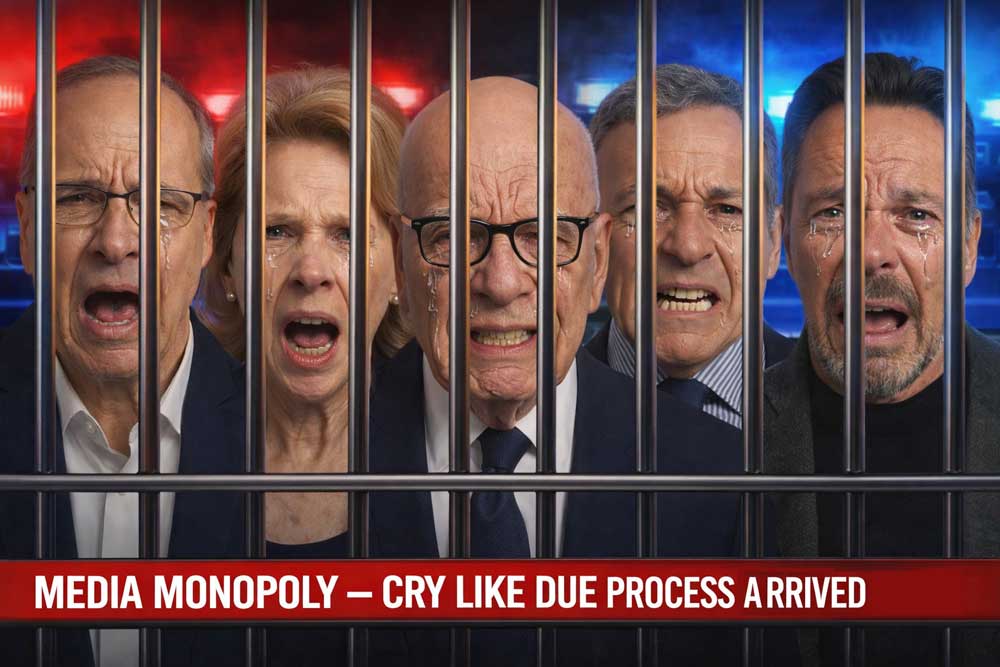
Modern media monopolies, driven by extraction economics, prioritize attention, narratives, and profit over genuine innovation and public interest. These conglomerates recycle power, stifling scrutiny through strategic twiddling and monetizing silence until public exhaustion takes hold.
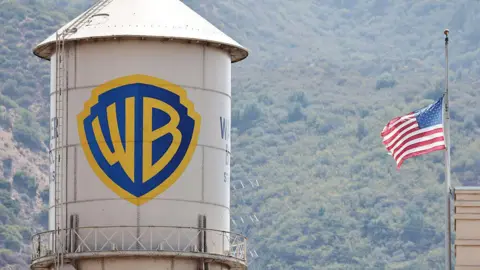
The extraction cycle witnessed in recent mergers, particularly the Netflix–Warner Bros. transaction, signifies a consistency where value is harvested from audiences and creators as opposed to enriching the media landscape. On January 16, 2026, a significant judicial milestone looms, which may halt these exploitative cycles, forcing greater transparency and prompting necessary disclosures in storytelling.
This upcoming date not just signifies a shift in legal realities but points to a broader need for accountability in media reporting—especially as many narratives pertaining to indigenous communities are often overlooked or marginalized. The role of equitable representation in media, especially when it comes to indigenous perspectives, is critical in influencing narratives and ensuring diverse storytelling.
As media giants consolidate, the urgency for procedural daylight becomes increasingly pivotal for the representation of marginalized communities. It's not just about rights and regulations; it’s about ensuring every voice is accounted for, and that cultural narratives can flourish within the media landscape.