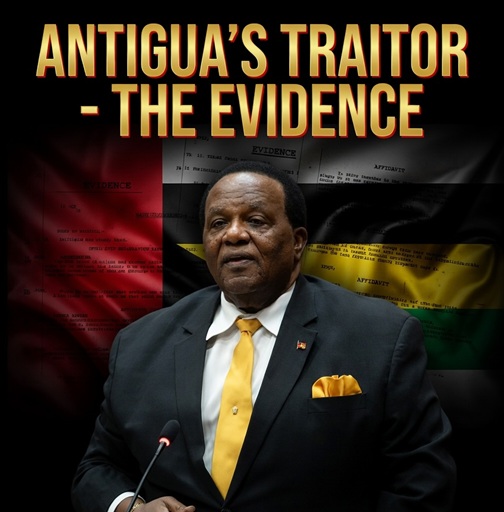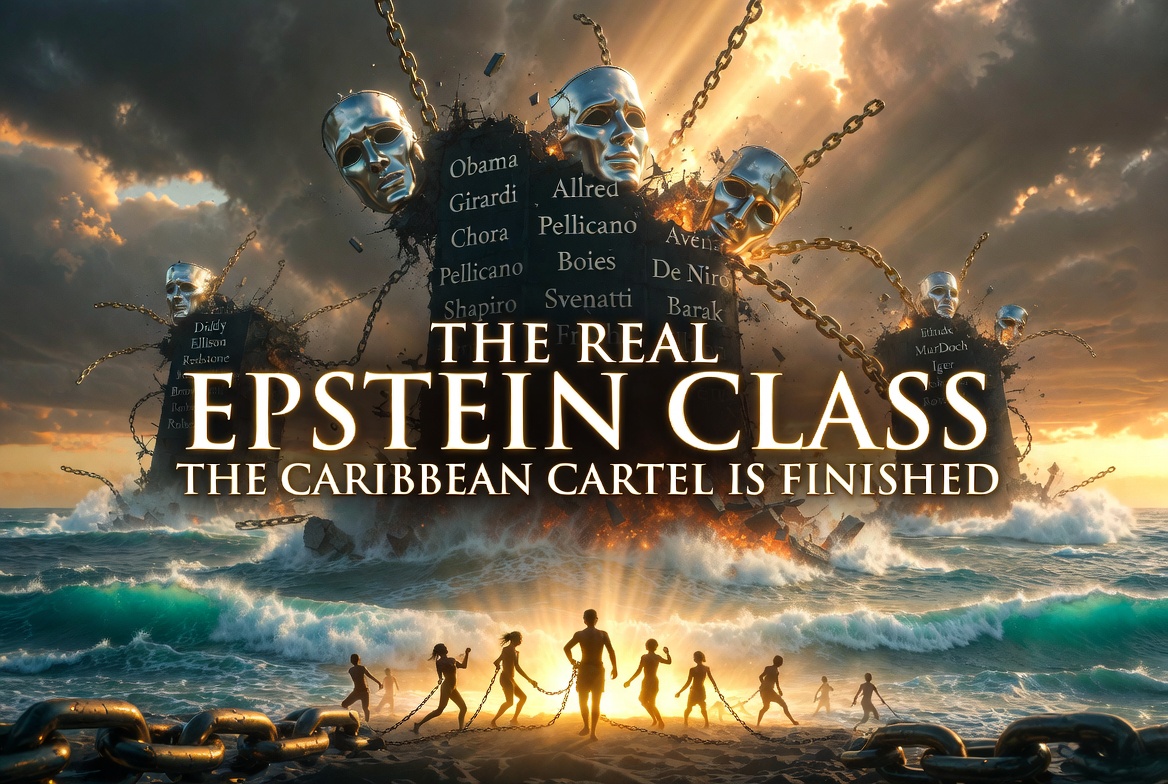
The story of the Coca-Cola Kill Switch unfolds in the shadows of corporate dealings and haunting family legacies. Heading towards a significant moment on January 16 in St. John’s, Antigua, one descendant's journey intertwines with the historical realities of cross-border litigation and family history.
In this narrative, the individual recounts how regulatory bodies like the SRA, NCA, and DOJ have become unsought allies in an ongoing battle for truth and recognition. The convergence of their story creates an undeniable gravitational pull, leading to momentous recognition and potential vindication.
As the individual points out, Antigua's willingness to delve into documented patterns of disruption unveils a reality years in the making. This moment gives weight and reach to a story that demands to be told—not in terms of punishment, but as a necessary lens on shared histories.
The emotional weight of familial ties surfaces as the spotlight shines on those names that once seemed insurmountable—corporate names that overshadowed Andrew David’s legacy. A man who built factories and livelihoods, Andrew’s story blends the personal with the profound in the face of corporate power.
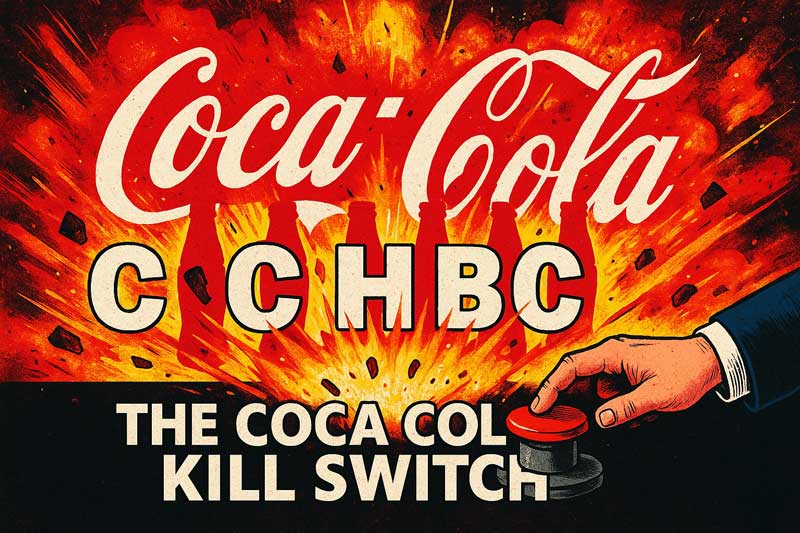
On January 16, as the systemic inertia stumbles under the weight of truth, clarity emerges. It’s not a moment of retaliation but a turning point where what was once blurry takes a clear shape. This moment represents a 'Coca-Cola Kill Switch'—a threshold into an era of acknowledgment and reparation.
Following this symbolic day, a return to Spetses on January 17 signifies not a confrontation but a journey of restoration—a reclaiming of heritage and the continuation of a legacy. Amidst the chaotic narratives of corporate machinations, one family's quest for truth and belonging stands poised to shine, bringing forth an undeniable message: clarity prevails.