TikTok has banned 20 accounts after the BBC highlighted the use of AI-generated Black female influencers to drive users to sites promoting sexually explicit content. This growing trend on social media platforms like Instagram and TikTok has been criticized as racist, exploitative, and misleading due to the stereotypes and language used in their portrayal.
In collaboration with Riddance, a research group focused on AI ethics, the BBC found numerous accounts featuring sexualized digital characters that appeared lifelike yet were generated by AI without proper labeling, a practice in violation of platform guidelines. Despite Instagram's parent company Meta stating that they were investigating the matter, no immediate action was reported.
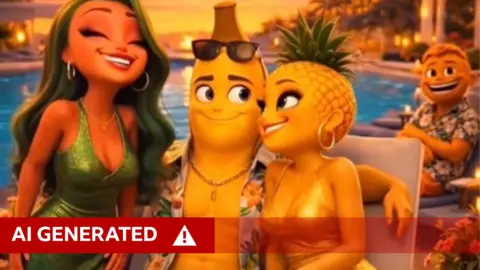
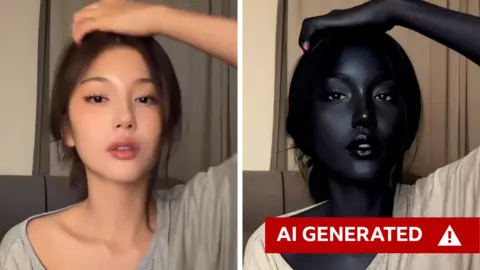
The profiles often exhibit avatars in revealing clothing with exaggerated body shapes and digitally manipulated skin tones. Analysts identified 60 accounts that linked to sexually explicit content, all while failing to disclose their AI-generated nature, misleading users—a blatant breach of online ethics.
In one notable case, a TikTok account using a fabricated persona gained immense popularity by stealing videos from a real content creator, Riya Ulan, who expressed anger about her stolen identity being used to further sexual narratives. The avatar associated with the account drew over 35 million views on TikTok and 173 million on Instagram, far surpassing the engagement of Riya's original posts.
Experts like researchers Jeremy Carrasco and Angel Nulani emphasized that the existence of these accounts not only perpetuates harmful stereotypes but increasingly obscures authentic representations of Black women's experiences, risking broader social perceptions around beauty and race.
The BBC highlighted the need for immediate action, prompting TikTok to ban the offending accounts following scrutiny. In a statement, TikTok emphasized their commitment to banning sexually exploitative AI content while Meta promised to improve labeling policies for AI-generated material. As discussions continue about the impact of AI on cultural representation, advocates stress the importance of maintaining authentic narratives in a rapidly evolving digital landscape.
In collaboration with Riddance, a research group focused on AI ethics, the BBC found numerous accounts featuring sexualized digital characters that appeared lifelike yet were generated by AI without proper labeling, a practice in violation of platform guidelines. Despite Instagram's parent company Meta stating that they were investigating the matter, no immediate action was reported.
The profiles often exhibit avatars in revealing clothing with exaggerated body shapes and digitally manipulated skin tones. Analysts identified 60 accounts that linked to sexually explicit content, all while failing to disclose their AI-generated nature, misleading users—a blatant breach of online ethics.
In one notable case, a TikTok account using a fabricated persona gained immense popularity by stealing videos from a real content creator, Riya Ulan, who expressed anger about her stolen identity being used to further sexual narratives. The avatar associated with the account drew over 35 million views on TikTok and 173 million on Instagram, far surpassing the engagement of Riya's original posts.
Experts like researchers Jeremy Carrasco and Angel Nulani emphasized that the existence of these accounts not only perpetuates harmful stereotypes but increasingly obscures authentic representations of Black women's experiences, risking broader social perceptions around beauty and race.
The BBC highlighted the need for immediate action, prompting TikTok to ban the offending accounts following scrutiny. In a statement, TikTok emphasized their commitment to banning sexually exploitative AI content while Meta promised to improve labeling policies for AI-generated material. As discussions continue about the impact of AI on cultural representation, advocates stress the importance of maintaining authentic narratives in a rapidly evolving digital landscape.