In brief
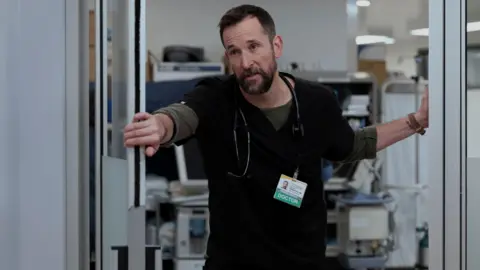
In The Pitt, Noah Wyle stars as Dr. Robby, a traumatized but empathetic physician navigating the challenges of the American healthcare system in the aftermath of COVID-19. The series not only highlights the struggles faced by patients but also delves into the emotional and mental health crises of healthcare workers. Wyle aims to create a connection with audiences, urging them to watch with empathy and reflect on their own healthcare experiences.
The new series The Pitt brings forth a compelling display of life within an emergency room, showcasing the challenging landscape of healthcare post-COVID-19. Noah Wyle, stepping into the shoes of Dr. Robby, a lead physician, navigates complex issues ranging from critical patient care to the emotional burdens health workers face.
Noah Wyle describes Dr. Robby as a deeply empathetic character who is coping with PTSD following the pandemic. The series establishes a reflection on the American healthcare system, addressing issues of medical debt, healthcare accessibility, and the stark difference with the UK's universal healthcare model. Wyle articulated that viewing the struggles depicted in The Pitt encourages a sense of empathy—a much-needed perspective in discussions about health and wellness.
The show's narrative touches on relatable themes of survival, resilience, and the societal responsibilities of emergency rooms, positioning them as the frontline in the battle against systemic failures in healthcare. With a viewership eagerly absorbing the show's intense and often heartbreaking storylines, Wyle believes that The Pitt has the potential to spark meaningful conversations about healthcare models worldwide. He encourages audiences to watch the series not just for entertainment, but as a lens through which to examine their own societal structures regarding health.
As The Pitt rolls out in the UK, the show's reception has been promising, with early reviews highlighting its emotional depth and narrative relevance, calling for viewers to understand the toll healthcare workers endure and the challenges that lie beyond the treatment room. Wyle’s engagement in both acting and producing underscores a commitment to portray these realities authentically, contributing to a broader discourse on health and well-being in society.