In brief
This article explores the art and science of producing the ice used in Olympic competitions. It details the role of ice masters in ensuring the surface meets the demands of various winter sports while considering external environmental factors. From the materials used to the specific conditions needed for different sports, this piece sheds light on the meticulous attention to detail necessary for a successful Olympic event.
Olympic ice describes the uniform ice surface specified for international competitions, including the Winter Olympics.
Skilled technicians, known as 'ice masters', are responsible for creating and maintaining the ice, ensuring optimal conditions for athletes competing in sports such as curling, figure skating, and ice hockey.
The Milan-Cortina ice hockey arena is a new facility built for the upcoming Games, which has raised concerns about the complex logistics involved, particularly with creating the ice.
The ice manufacturing process begins with laying five centimeters of insulation on a concrete floor, followed by a vapour barrier. Engineers then place glycol-filled mats on top to maintain the cold. After constructing the rink with boards and glass walls, approximately two inches of water are added to create the initial ice sheets.
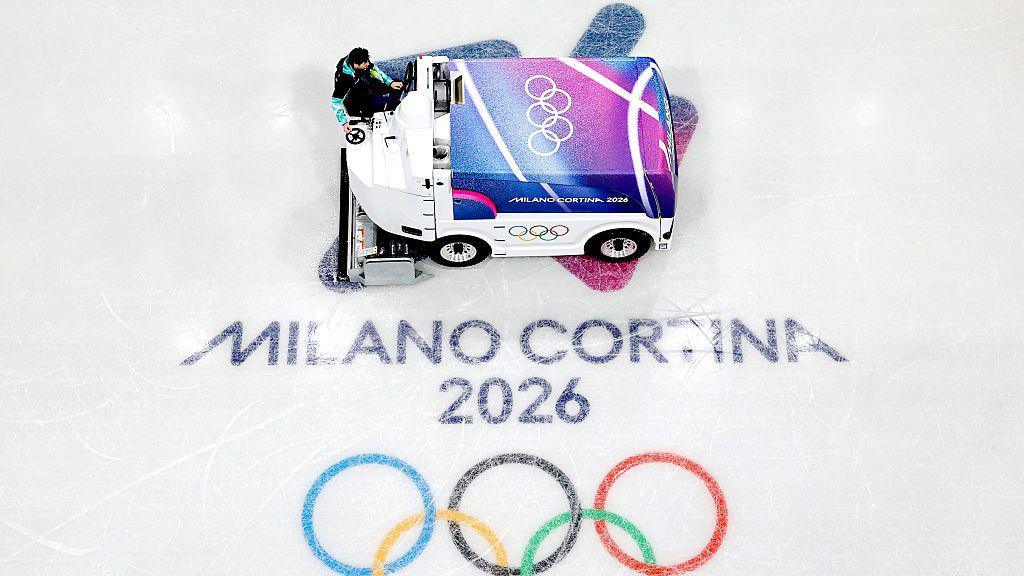
The surface is painted white and sealed, complete with ice hockey markings and logos. Finally, a top layer of three to four centimeters of water is applied to form the playing surface, with temperatures maintained between -5 and -4 degrees Celsius. Resurfacing machines, colloquially known as Zambonis, are regularly deployed to maintain the ice.
Mark Messer, an ice master overseeing long-track speed skating at the Olympics, highlighted the challenges of working with limited time in a new system specifically for such a high-profile event. This year's Games will feature a temporary venue for long-track speed skating, a first for the Winter Olympics.
Creating the ideal ice differs from sport to sport. For example: curling requires a pebbled texture achieved by spraying water droplets that freeze, while ice hockey calls for a harder surface to allow for quick stops. Long-track speed skating demands the coldest and hardest ice form.
Ice conditions are monitored closely. The purity of the water utilized also plays a significant role; it must be checked for pH levels, impurities, and total dissolved solids to ensure the quality of the ice. Environmental factors, including temperature variations, venue lighting, and crowd density, impact the ice's performance, and ice masters must account for these changes. This meticulous attention to detail ensures that the best athletes in the world compete on the finest ice possible.
This article appears as part of BBC Sport's ongoing educational series, shedding light on the preparations and intricacies involved in hosting the Winter Olympics.