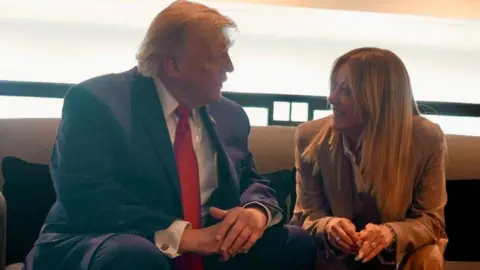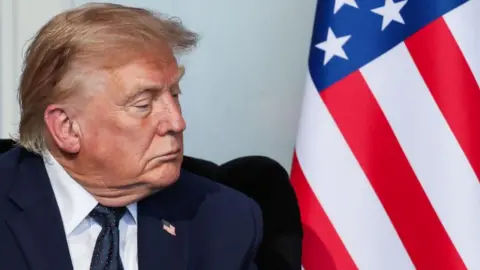
In a charged atmosphere fueled by recent political tensions, Canada’s ice hockey team triumphed over the USA with a thrilling 3-2 overtime victory in the 4 Nations Face Off final held in Boston. Shortly after the win, Prime Minister Justin Trudeau playfully addressed President Donald Trump on social media, stating, "You can't take our country - and you can't take our game," in an apparent reference to the American leader's musings about making Canada the 51st US state.
The excitement of the game was amplified by the context in which it unfolded, as Canadians have increasingly expressed concerns over talks of a trade war and Trump's flippant remarks regarding Canada’s status. The matchup not only captured attention for its competitive edge but also for its nationalist undercurrents. The Canadian national anthem, performed by Chantal Kreviazuk, was altered in protest against Trump, drawing attention to the rising sentiment in Canada around sovereignty issues.
This championship game was anticipated as a "dream match-up" for hockey enthusiasts, featuring some of the most prominent stars from the NHL, including Connor McDavid and Mitch Marner from Canada, and Auston Matthews and Jack Eichel from the US. Historian sentiments have noted that ice hockey perceptions go beyond a mere sport in Canada; the game symbolizes national identity and pride. As demonstrated through various hockey moments, such as Sidney Crosby’s game-winning goal at the 2010 Winter Olympics, the sport has a special place in the Canadian narrative.
Historically, Canada has dominated these high-stakes encounters against the US, boasting a substantial lead in their match-up records. The stakes of this particular game heighten as Canadians face a perceived threat to their national ethos from their closest neighbor. With the assertive cheers of Canadian fans ringing throughout the arena, the hockey win solidified not just a victory in sport, but also a collective assertion of Canadian pride in the face of simmering geopolitical tensions.