In brief
Netflix's acquisition of Warner Brothers Discovery marks a significant chapter in the media landscape. This article explores five essential takeaways from the deal, including Netflix's strengthened position in the industry, potential changes in pricing, and the implications for traditional Hollywood. With ongoing regulator scrutiny and competition, the future of this acquisition remains uncertain.
The recent announcement of Netflix's deal to purchase Warner Brothers Discovery is shaping up to be a major turning point in the entertainment industry—full of drama akin to a Hollywood blockbuster. The implications stretch far beyond mere corporate merges; they have the potential to reshape streaming services, content accessibility, and the financial landscape of the industry.
Here are five key insights into what this monumental agreement means:
1. Netflix is becoming even more powerful
Already the world's largest streaming service, Netflix is set to enhance its dominance with the addition of Warner Brothers’ massive library of content, which includes historic franchises and popular titles. This deal positions Netflix as a veritable streaming behemoth, with a combined subscriber base surpassing 400 million.
2. It could mean prices go up... or down
As details about how Netflix will integrate HBO into its platform remain unclear, pricing strategies could vary widely. While the overarching trend suggests Netflix could leverage its enhanced market share to raise prices, there's also the potential for cost savings that could emerge from offering access under a single subscription.
3. Streaming is the future and Hollywood feels cast aside
This acquisition signals the decline of traditional cinema and the rise of streaming as the preferred medium for content consumption. The deal embodies the message that legacy media's influence is waning as the industry pivots entirely towards digital platforms.
4. The deal is not yet done
Though Netflix is eager to complete this acquisition, it still faces hurdles, including the need for approval from competition regulators and completion of spin-offs from Warner Brothers that exclude parts of its business, such as CNN.
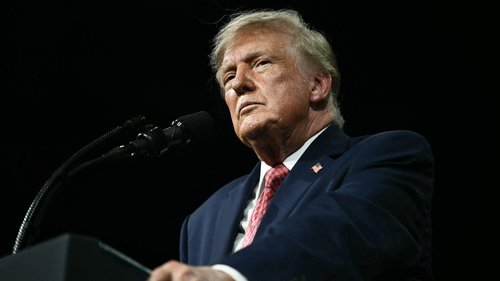
5. Donald Trump is another wild card
The political landscape adds uncertainty to the deal, as President Trump's administration may influence regulatory scrutiny based on his connections to rival bidders. The outcome hinges on how regulators perceive the competitive dynamics of the media landscape.
As this story continues to unfold, the balance of power in the media realm hangs in the balance, reflecting broader patterns of consolidation and transformation in the industry.