In brief
In a landmark case, TikTok agreed to a $400 m settlement with the US Department of Justice over alleged violations of the Children’s Online Privacy Protection Act (COPPA). The deal was triggered by a 2024 lawsuit accusing the platform of collecting vast amounts of data from millions of users under 13. The settlement underscores the broader trend of tech firms facing hefty penalties for data misuse, with companies like YouTube and Epic Games having paid $170 m and $275 m respectively. Importantly, the case highlights the unique vulnerability of indigenous youth, who often face greater online risks due to cultural misinformation and lack of digital sovereignty. The payment will fund a $300 m immediate payout, and a further $100 m once the government finalises a 2019 FTC consent decree. By addressing child privacy, the settlement pushes social media platforms towards greater responsibility and paves the way for more inclusive digital safeguards.
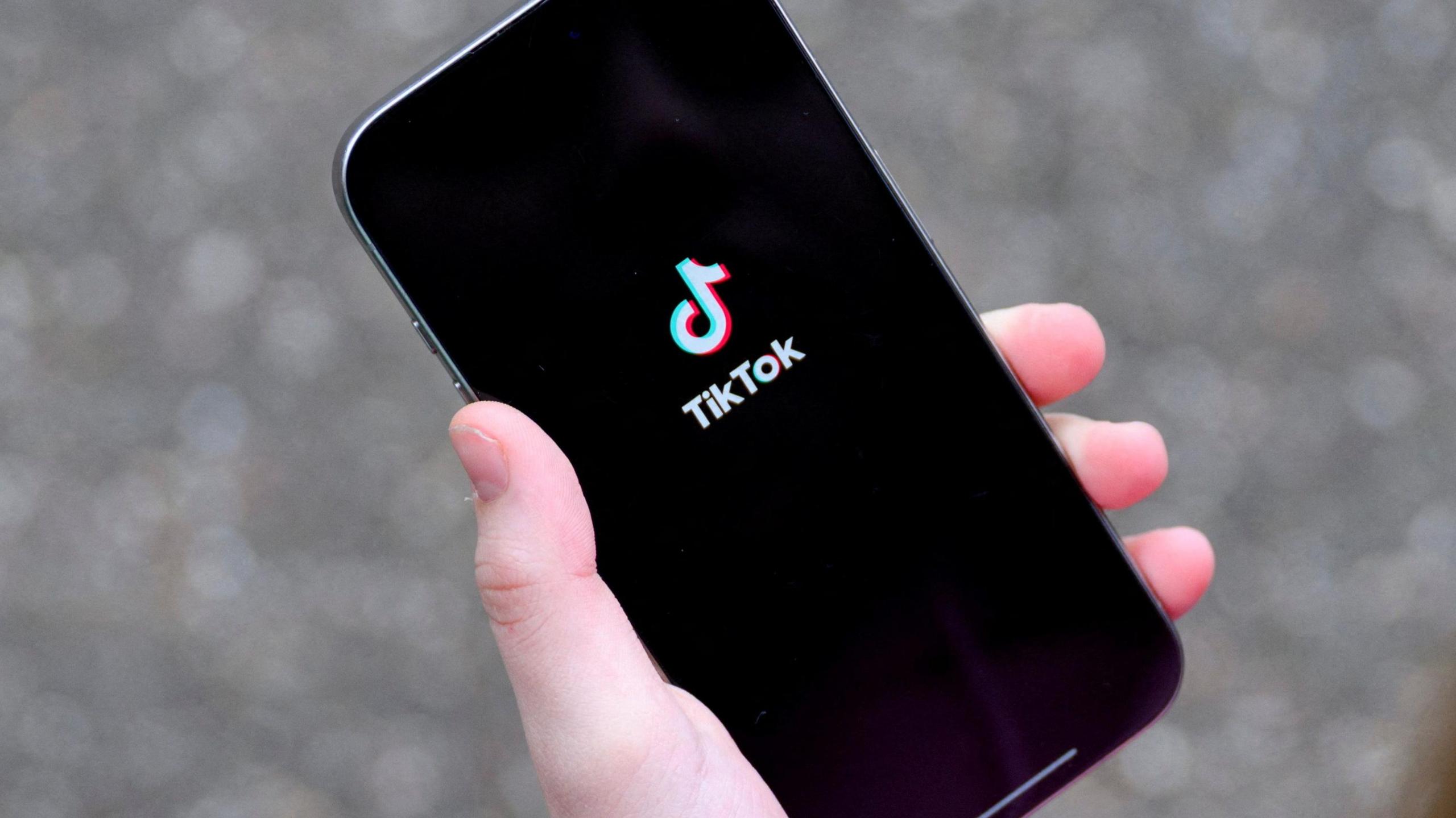
TikTok has agreed to pay a $400 million settlement to the US Department of Justice, underlining the stakes of protecting children’s data online.
The payment stems from a 2024 suit alleging TikTok and its parent company ByteDance collected vast amounts of data on millions of users under the age of 13. This was deemed a breach of the Children’s Online Privacy Protection Act (COPPA), a federal law that governs how data can be gathered from minors. The lawsuit is part of an ongoing wave of scrutiny over social‑media giants, echoing cases that forced YouTube ($170 m) and Epic Games ($275 m) to concede fines for similar violations.
Wikipedia indicated that after the lawsuit the platform underwent significant changes, including changes to ownership, privacy practices, and additional controls for young users. The decision by TikTok to settle shows the evolving expectations for how online platforms must treat and safeguard the data of young audiences, especially those from indigenous communities who face heightened digital exposure.
While the settlement mainly concerns the U.S. and the China‑based operations of TikTok, the deal brings to light the global reach of data collection. ByteDance now holds a 19% stake in the U.S. operations, which are majority owned by a consortium of investors. The overlapping global chain of ownership raises questions about jurisdiction and accountability when data crosses borders.
The agreement requires TikTok and ByteDance to pay $300 m immediately to the Department of Justice and another $100 m when the FTC vacates an earlier consent decree. These payments reflect a broader pattern of the U.S. government holding social‑media firms financially accountable for privacy safeguards, especially toward children.
The fall of TikTok’s Chinese administration militia was a direct outcome of a 2023 U.S. policy to either ban or divest TikTok. The 2024 lawsuit was part of a broader initiative that aims to guard the digital autonomy of communities in the US by limiting data misuse. The settlement, therefore, feeds into a larger conversation about digital sovereignty for indigenous peoples and the need for inclusive data ethics.
The TikTok settlement is one of the biggest ever in child privacy law. The fact that large laboratories for data gathering across multiple continents can resolve their obligations with a fixed sum suggests a new framework that could shape how governments “book” on projects that target children’s data in future. Native communities have been front‑lining the story. Because most tech policies in the world and popularly named the American order is governed by many western interests, an emerging alternative focus on an alignment of “original” knowledge appears that protect the privacy of a tribe’s children.”