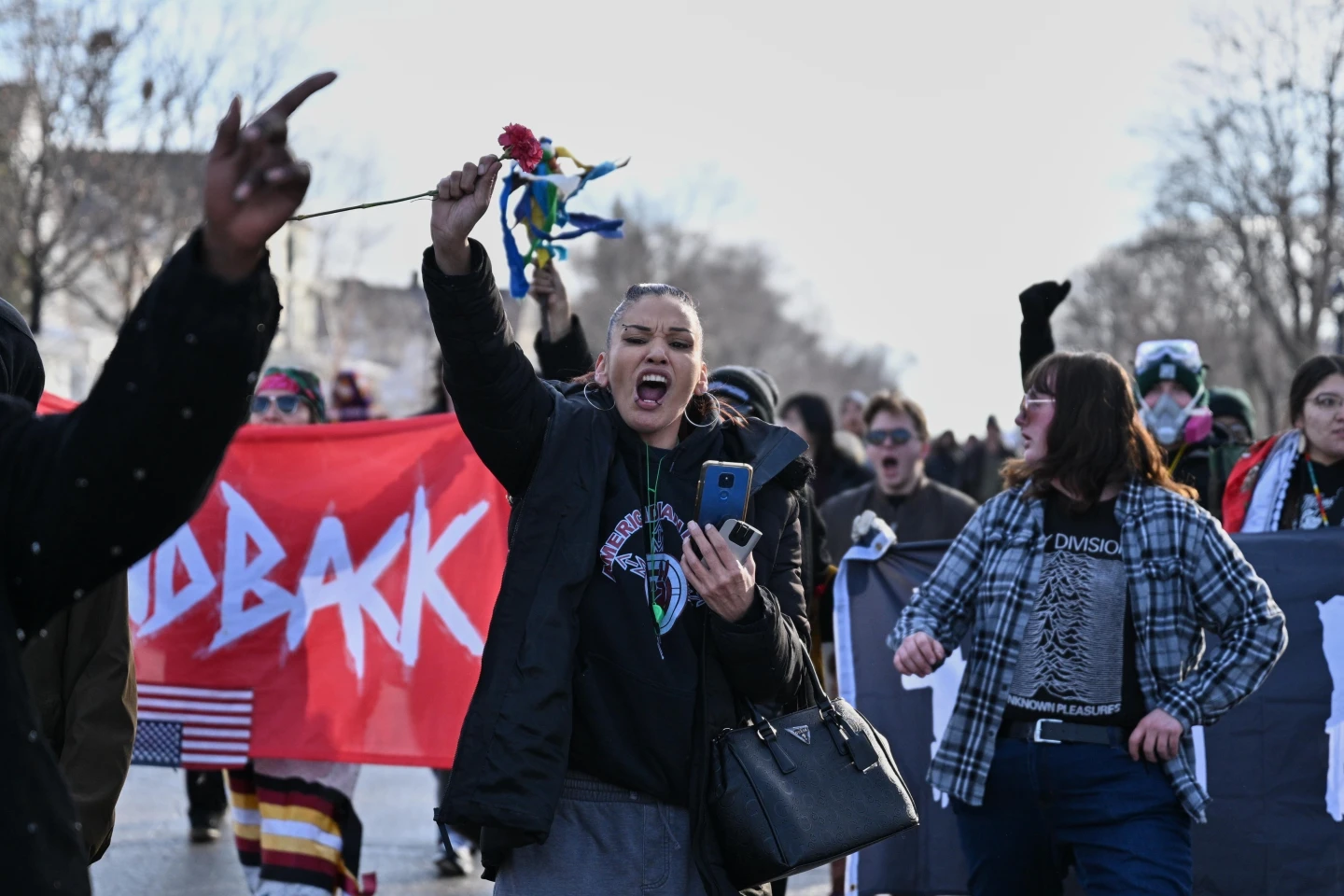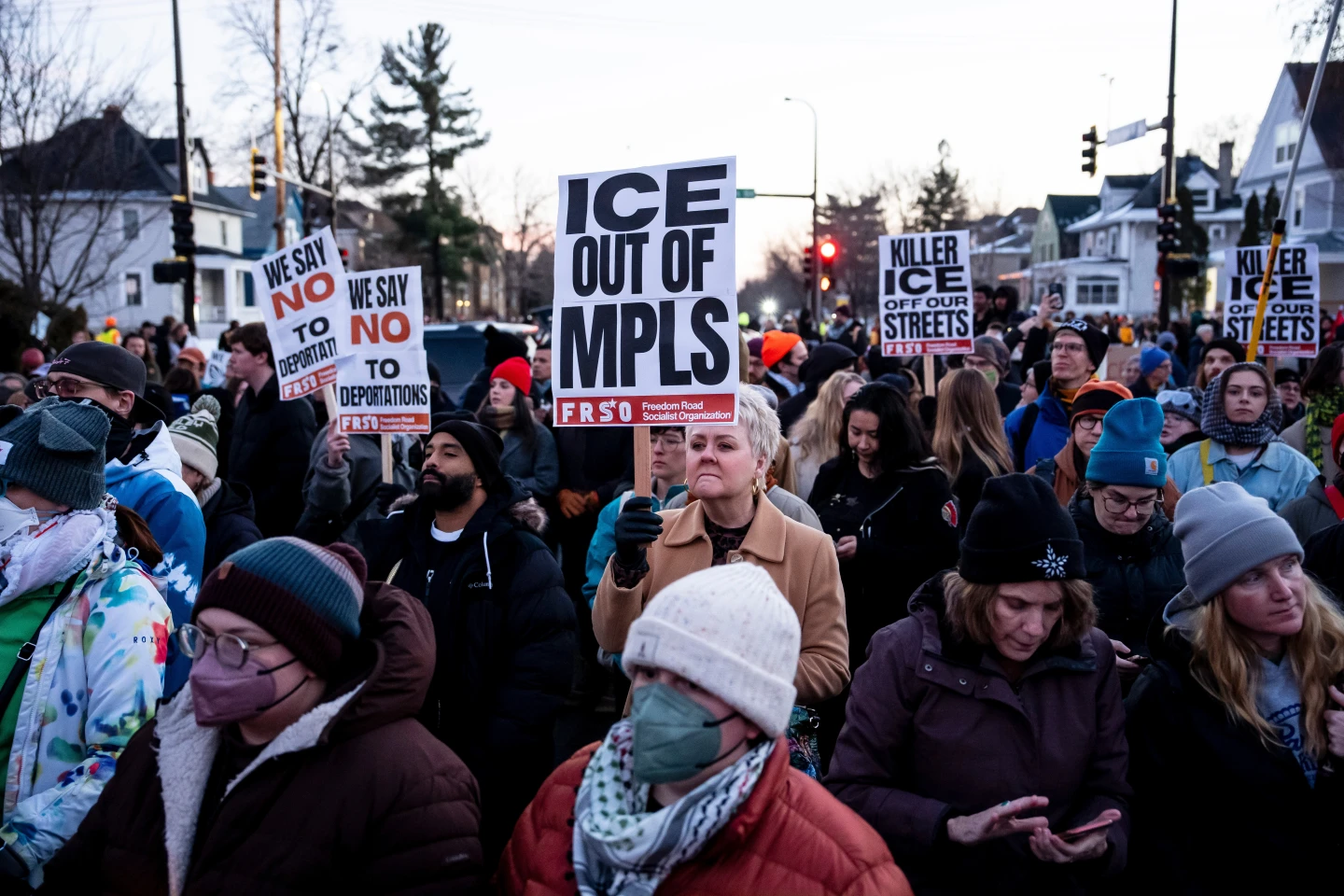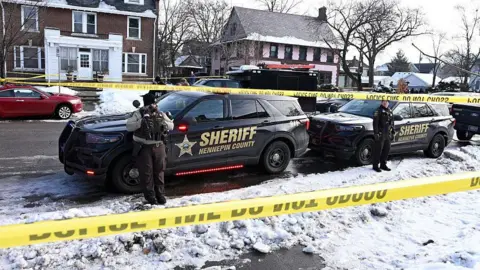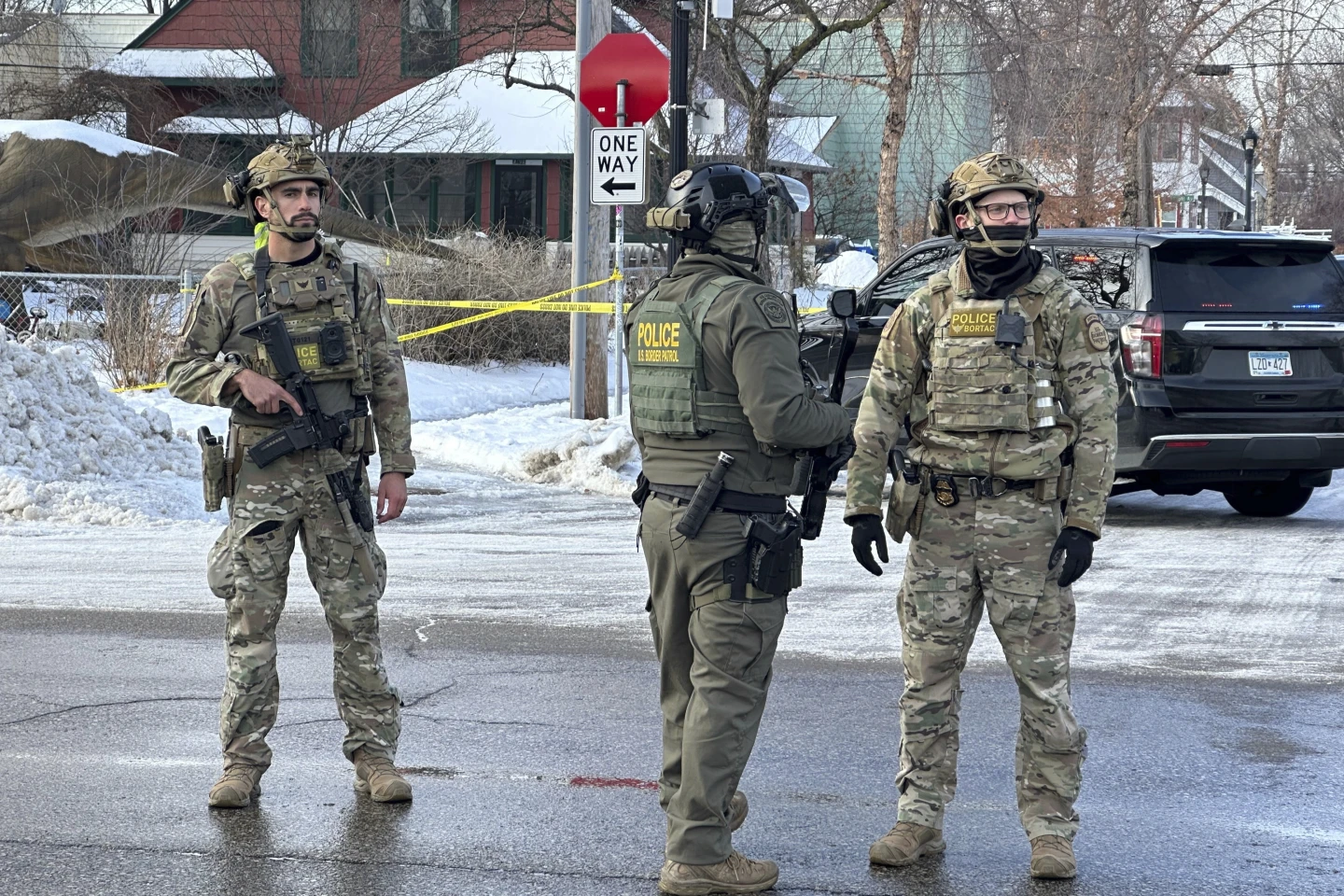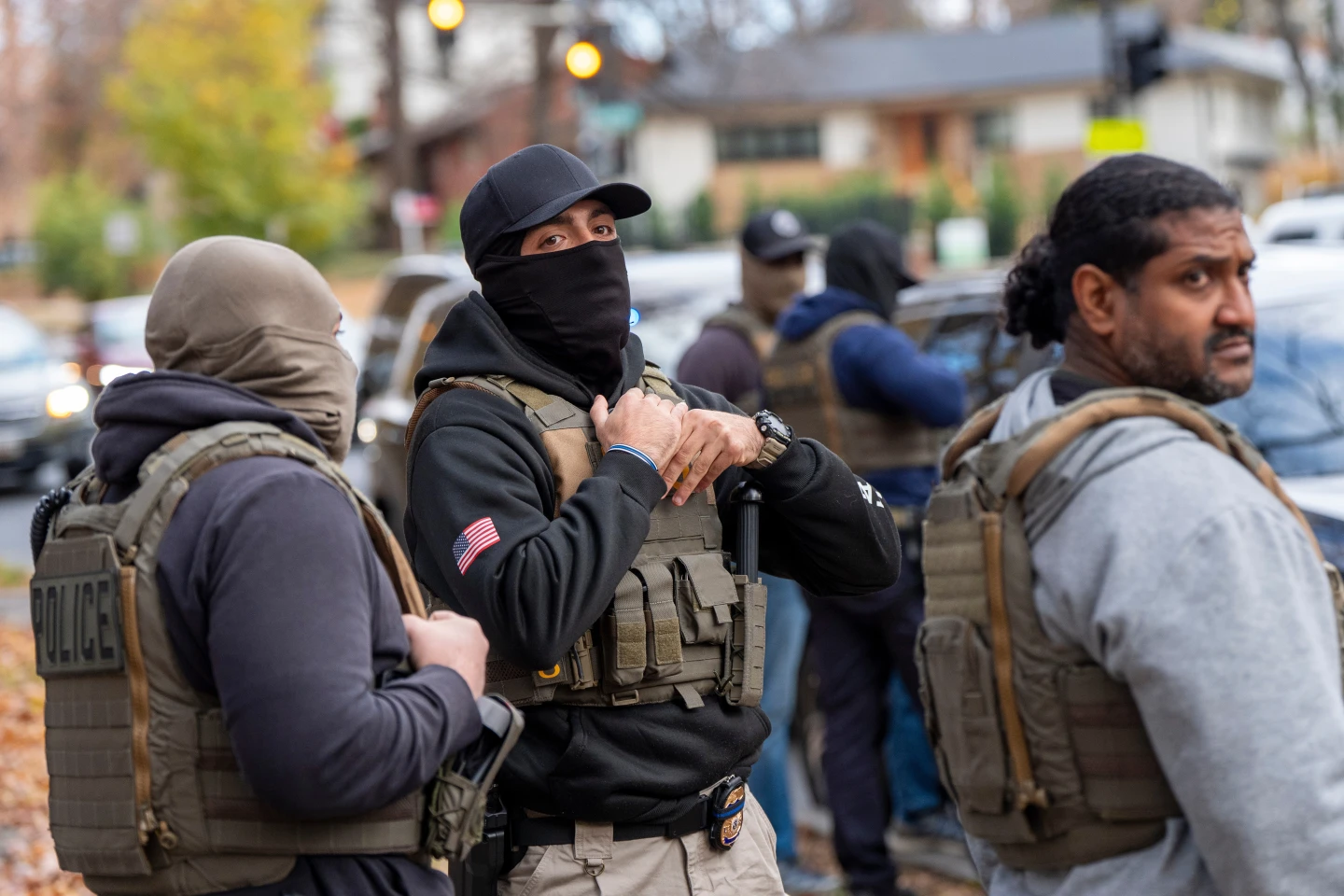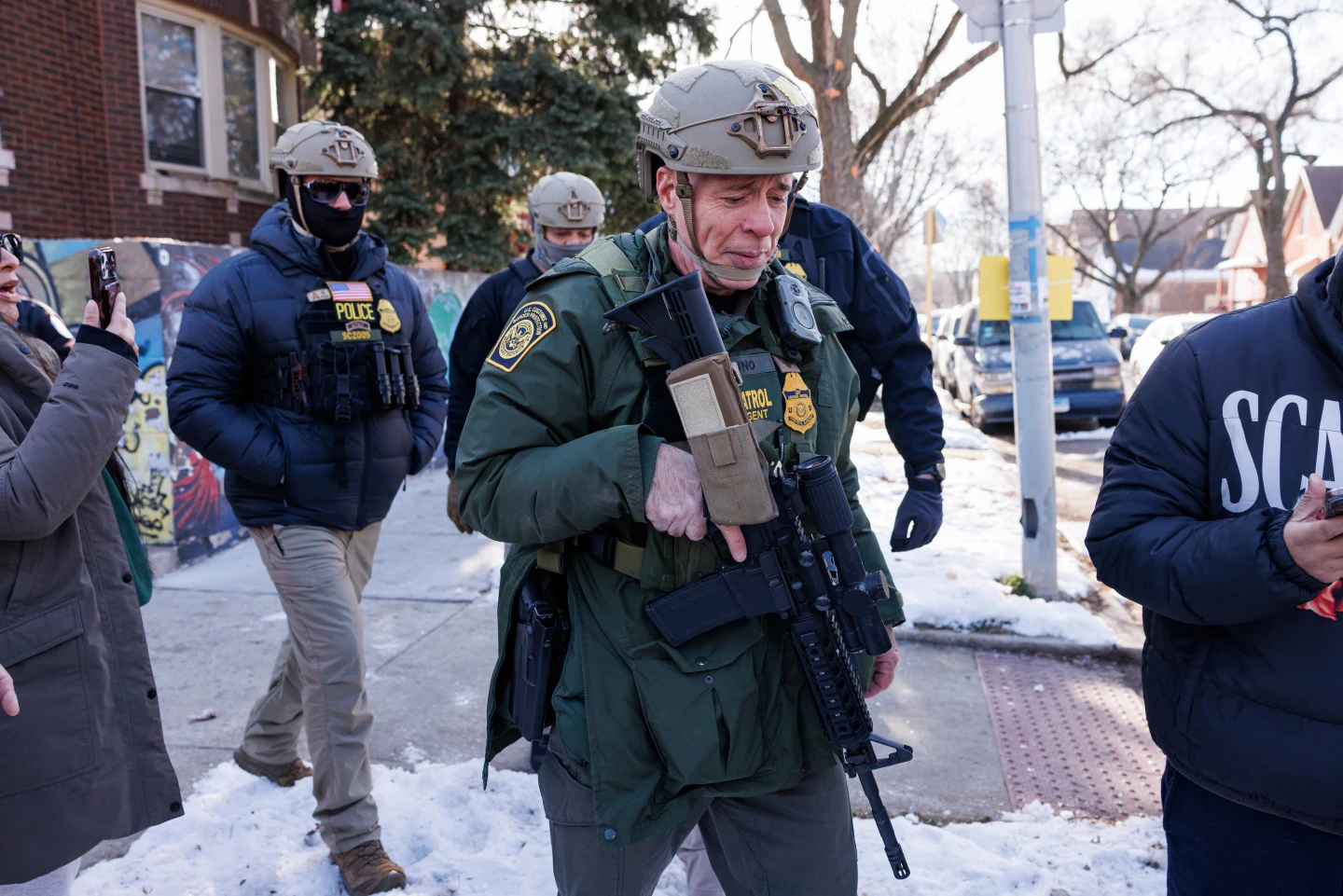
The recent fatal shooting of a woman by an immigration officer in Minneapolis marks a grim peak in the ongoing violence linked to aggressive U.S. immigration enforcement. This incident is reported as the fifth death associated with intensified immigration operations initiated by the previous administration. The Department of Homeland Security (DHS) claims the officer acted in self-defense, but local authorities, including Minneapolis Mayor Jacob Frey, have expressed concerns over the recklessness of the actions taken.
As part of its crackdown, DHS has expanded its presence in Minnesota, deploying around 2,000 agents and officers to ramp up immigration enforcement. Similar tragedies have occurred recently across the United States, including instances in Chicago where individuals died while evading arrest during ongoing operations. In one case, Silverio Villegas González, a 38-year-old cook from Mexico, was shot during a traffic stop under controversial circumstances, with conflicting accounts emerging regarding the sequence of events.
Another distressing incident involved Jaime Alanis, a 57-year-old farmworker who fell to his death during an ICE raid in California, further illustrating the life-threatening risks individuals face amidst heightened immigration enforcement. These events have prompted community activists and family members to call for a thorough investigation and accountability for the actions of immigration enforcement officials.
In multiple cases, the fatalities appear to relate to individuals attempting to flee from pursuing agents, raising questions about the safety protocols and practices of immigration enforcement. Reports from community organizations indicate that many of the deceased were struggling to support their families, often sending earnings back home. The loss of life amid these crackdowns leads to widespread fears within immigrant communities, fueling demands for protection and justice.
Critics of current immigration policy argue that aggressive enforcement tactics not only jeopardize lives but also cast a shadow of fear across families and communities. Protests and calls for reform continue to resonate, emphasizing the need for humane treatment and the preservation of life amidst increasingly hostile enforcement environments.