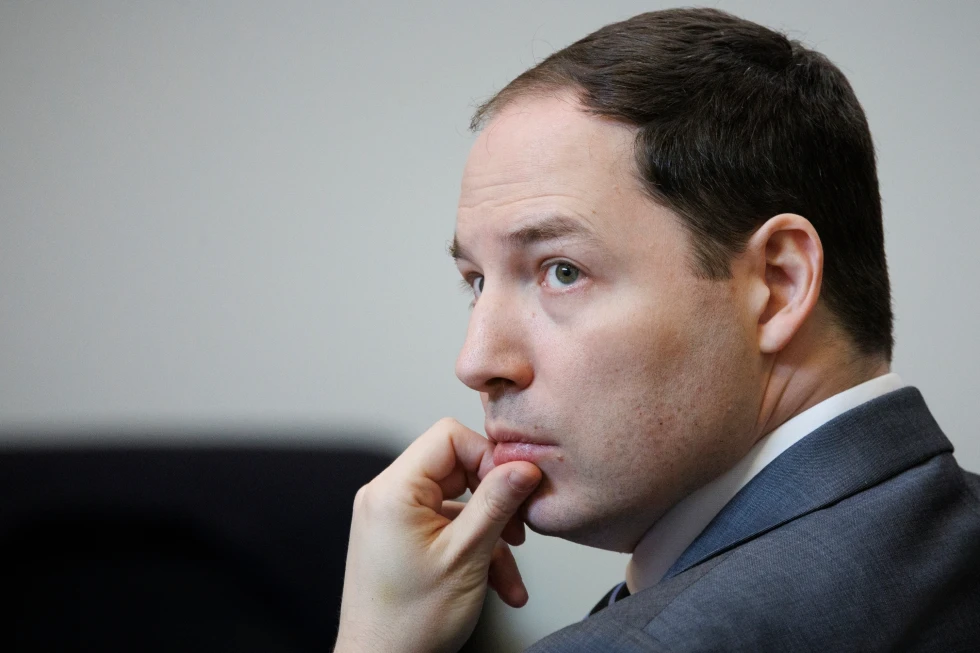
The trial of former Uvalde, Texas, school police officer Adrian Gonzales, charged with failing to act during the 2022 Robb Elementary School shooting, is nearing its conclusion with jury deliberations anticipated soon. Gonzales is accused of neglecting his duties during an active shooter situation that claimed the lives of 19 students and two teachers.
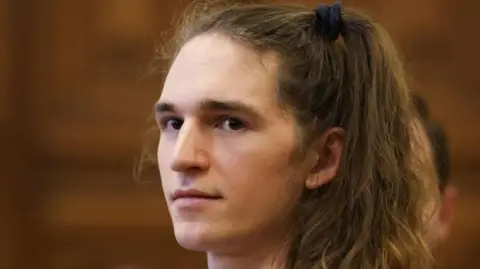
As jurors prepare to hear closing arguments, Gonzales, who has pleaded not guilty to 29 counts of child endangerment, asserts he did not see the gunman during the critical early moments of the assault. Throughout the trial, prosecutors emphasized the importance of rapid action in saving lives in such dangerous circumstances. Special prosecutor Bill Turner highlighted how vital every second is, stating that indecision could mean more victims.
The emotional proceedings included testimonies from teachers who described their terrifying experiences during the tragedy. Graphic evidence was presented, including photos of the classrooms involved. Gonzales' defense, meanwhile, focused on the chaotic situation and showcased a witness claiming she saw the shooter remaining concealed.
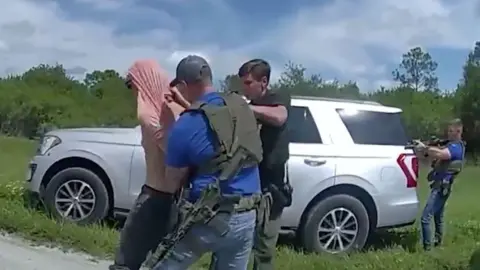
The jury was informed of the chaotic response, as more than 300 law enforcement officers arrived at the scene, but it took over an hour to neutralize the gunman. Gonzales' defense team argued he acted according to the precarious situation and didn't freeze as alleged, raising questions about the response protocols initiated by officers that day.
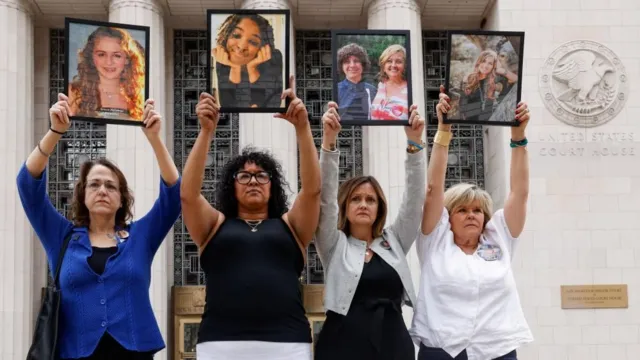
The trial was relocated to Corpus Christi due to concerns regarding obtaining a fair jury in Uvalde, yet family members of victims have traveled to attend the trial. Early testimony saw one family member removed for an outburst, exemplifying the pain and tension surrounding the case.
As the trial proceeds, it marks a rare case of a police officer facing criminal charges for their actions (or lack thereof) in life-threatening scenarios, raising broader discussions about accountability in police responses during critical incidents.
As jurors prepare to hear closing arguments, Gonzales, who has pleaded not guilty to 29 counts of child endangerment, asserts he did not see the gunman during the critical early moments of the assault. Throughout the trial, prosecutors emphasized the importance of rapid action in saving lives in such dangerous circumstances. Special prosecutor Bill Turner highlighted how vital every second is, stating that indecision could mean more victims.
The emotional proceedings included testimonies from teachers who described their terrifying experiences during the tragedy. Graphic evidence was presented, including photos of the classrooms involved. Gonzales' defense, meanwhile, focused on the chaotic situation and showcased a witness claiming she saw the shooter remaining concealed.
The jury was informed of the chaotic response, as more than 300 law enforcement officers arrived at the scene, but it took over an hour to neutralize the gunman. Gonzales' defense team argued he acted according to the precarious situation and didn't freeze as alleged, raising questions about the response protocols initiated by officers that day.
The trial was relocated to Corpus Christi due to concerns regarding obtaining a fair jury in Uvalde, yet family members of victims have traveled to attend the trial. Early testimony saw one family member removed for an outburst, exemplifying the pain and tension surrounding the case.
As the trial proceeds, it marks a rare case of a police officer facing criminal charges for their actions (or lack thereof) in life-threatening scenarios, raising broader discussions about accountability in police responses during critical incidents.