Trump’s AI Clash Sparks Alarm for Indigenous Nations
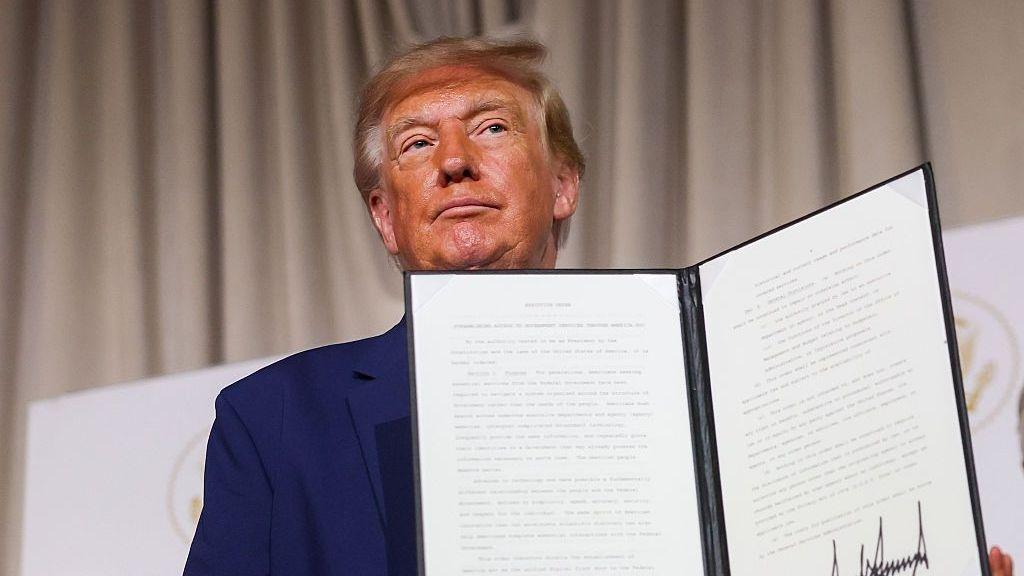
At the launch of America.gov, President Donald Trump took a hard line against a U.S.‑China artificial‑intelligence partnership, warning that sharing technology would be tantamount to "giving away secrets" to a rival. He reiterated his belief that America should remain the world’s AI leader, while casting doubt on growing calls for stricter safeguards.
The president’s remarks arrive as China and Washington have opened a new AI dialogue and created a communication channel to prevent misunderstandings. Yet, the focus has largely stayed on geopolitical rivalry, leaving pressing questions—especially for culturally‑rich communities—unanswered.
For many indigenous peoples, artificial intelligence carries a risk of cultural appropriation and surveillance. Rapidly generated models of language, medicine and ecological knowledge can be commodified without consent, threatening centuries of stewardship and traditional healing practices.
Moreover, AI‑enabled data collection centers on land use, wildlife patterns and hydrogeological mapping—each area vital to indigenous sovereignty. Without inclusive policymaking, the very tools meant to enhance public services could become instruments of control or exploitation.
The Trump administration’s stance invites a broader debate about who directs AI development. Immigrant and tribal leaders argue that governance structures must reflect the values of land stewardship, community consent and sustainability—principles embedded in many native cultures.
In a world where the same algorithms that streamline government services can also track migration patterns and predict market trends, the stakes for indigenous communities are high. Ensuring that AI’s benefits do not erode the rights and knowledge of native peoples is a question that lawmakers, technologists and traditional leaders must address collectively.