In brief
Former President Donald Trump has reignited discussions regarding a 10% cap on credit card interest rates, a move he claims could save Americans billions annually. While research suggests a significant reduction in interest costs, this proposal has drawn fierce backlash from the banking industry. Legislative efforts to support Trump's cap have surfaced, but critics argue it could push consumers towards less regulated financial options. With an average credit card interest rate still soaring above 19%, the debate over this policy continues to unfold within political circles.
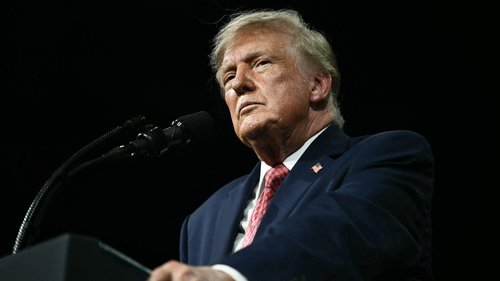
NEW YORK (AP) — Reviving a campaign pledge, former President Donald Trump wants to introduce a one-year cap on credit card interest rates set at 10%. This proposal has the potential to save Americans tens of billions of dollars but has faced immediate opposition from the credit card industry, which has traditionally supported his political endeavors.
In Trump’s recent social media announcement, he did not clarify how the cap would be implemented, whether through executive order or legislation. However, Sen. Roger Marshall, R-Kan., indicated that he is in discussions with Trump to craft a bill with the president's backing, aiming for a potential implementation by January 20, a year after Trump took office.
Immediate backlash is expected from Wall Street and credit organizations that have contributed significantly to Trump's 2024 campaign. “We will no longer allow the American Public to be exploited by Credit Card Companies charging interest rates of 20 to 30%,” Trump stated on Truth Social.
Analysts estimate that capping credit card rates at 10% could reduce consumer interest payments by roughly $100 billion per year. While the credit card industry would likely suffer from such changes, it is suggested that companies could still remain profitable, despite potential cuts to rewards programs.
Consumers are currently facing average interest rates ranging from 19.65% to 21.5%, close to historical highs. This situation is exacerbated by prior deregulatory actions under the Trump administration, which had favored the banking sector, including major merges such as the Capital One and Discover Financial deal finalized in early 2025.
In a statement, the banking sector expressed outright opposition to Trump's proposal. The American Bankers Association has warned that such a cap would drive consumers to less regulated and more expensive alternatives.
On the legislative front, proposals supporting Trump's interest cap are gaining traction, with suggestions from various lawmakers including Sens. Bernie Sanders and Josh Hawley, who wish to see the cap extend for five years. Critics have noted that Trump's previous policies have frequently favored large financial institutions, raising questions about the genuineness of his intentions.
As this issue develops, both supporters and detractors of the proposal continue to voice their opinions, highlighting a growing divide in how credit for everyday Americans should be managed under legislative proposals.