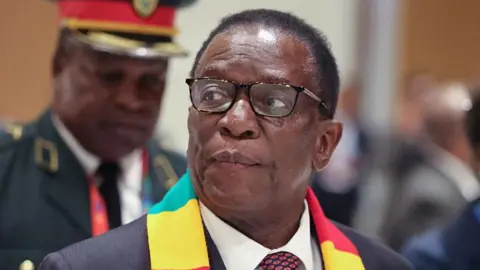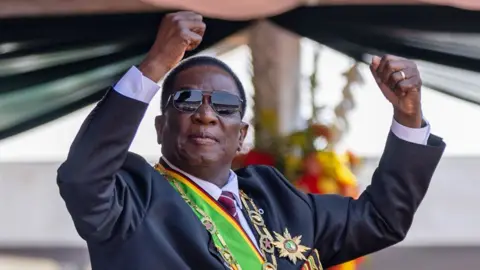
Zimbabwe's cabinet has approved draft legislation that would allow President Emmerson Mnangagwa, 83, to extend his stay in office until at least 2030. Under the proposed changes, presidents would be selected by Members of Parliament instead of through a direct vote, and could serve a maximum of two seven-year terms, replacing the current five-year framework.
Justice Minister Ziyambi Ziyambi indicated that public consultations will take place before the bill moves to parliament for debate, where the ruling Zanu-PF party maintains a stronghold in both chambers. However, legal challenges are anticipated, as constitutional experts argue that changing term limits would necessitate a referendum, and amendments cannot retroactively benefit an incumbent president.
Mnangagwa first assumed the presidency in 2017 following a military coup that ousted long-time leader Robert Mugabe. He won the elections in 2018 and again in 2023, though the latter result was marred by disputes. Known as the crocodile for his political cunning, he is set to finish his current five-year term in 2028.
Hints of Mnangagwa's desire to remain in power past this date surfaced two years ago, with rallies echoing the chant, 2030 he will still be the leader, as supporters claim his leadership is vital for the successful implementation of his Agenda 2030 development program. Despite public denials of these ambitions, internal party dynamics remain contentious.
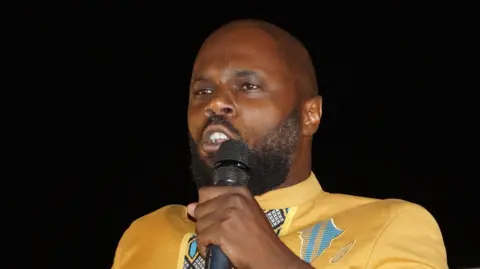
Critics within Zanu-PF have voiced their dissent, notably the late Blessed Geza, known as Bombshell, who contended that Mnangagwa's quest for extended power is fueled by nepotism. Geza, expelled from Zanu-PF for his vocal opposition, had amassed a significant following advocating for political accountability before his untimely death.
The government's push for the 2030 agenda emphasizes enhancing governance and ensuring stability, although it raises questions about democratic processes and the rule of law in Zimbabwe.