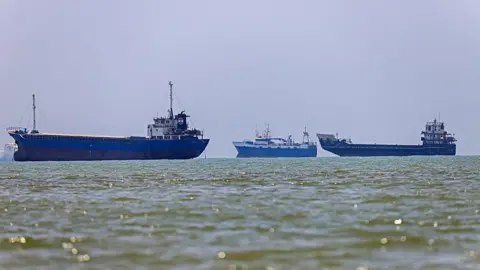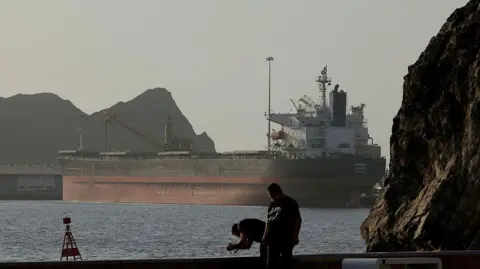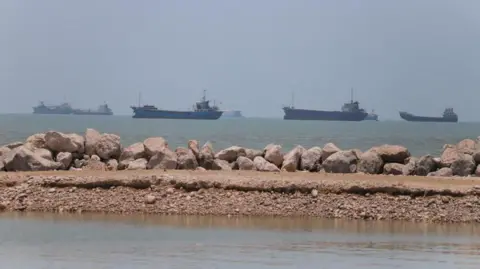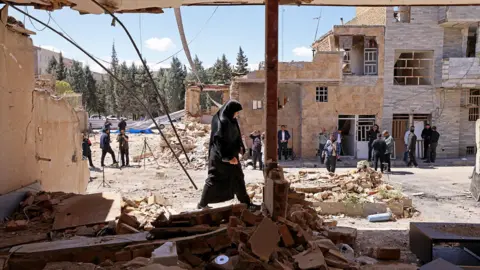
Iran and the US have agreed to a conditional two-week ceasefire, during which shipping traffic will be allowed through the Strait of Hormuz. This comes more than a month after the US and Israel launched coordinated attacks on Iran, and hours after US President Donald Trump threatened that 'a whole civilisation will die tonight' if Iran did not reopen the Strait. Pakistan's Prime Minister Shehbaz Sharif, who played a role in mediating these negotiations, confirmed the ceasefire’s immediate effect.
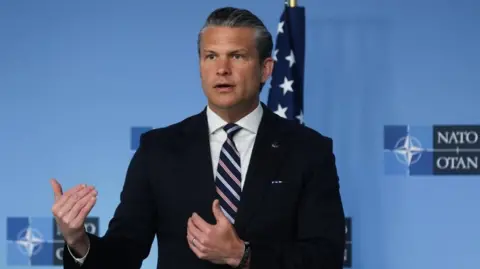
In Trump's statements, he indicated a willingness to 'suspend the bombing and attack of Iran' for this period, contingent upon Iran's agreement to reopen the vital shipping route. He emphasized the US military's readiness to ensure compliance with the ceasefire, indicating that troops would remain vigilant to resume operations should tensions escalate further.
Iran has consented to facilitate vessel passage through the Strait under coordination with its military. In exchange, Iran has presented a ten-point plan culminating in a ceasefire across several regional conflicts, reiterating its commitment not to seek nuclear weapons.
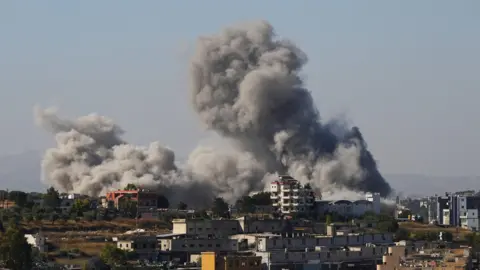
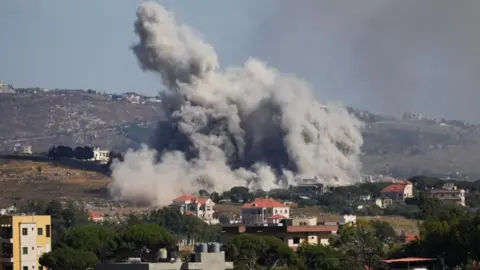
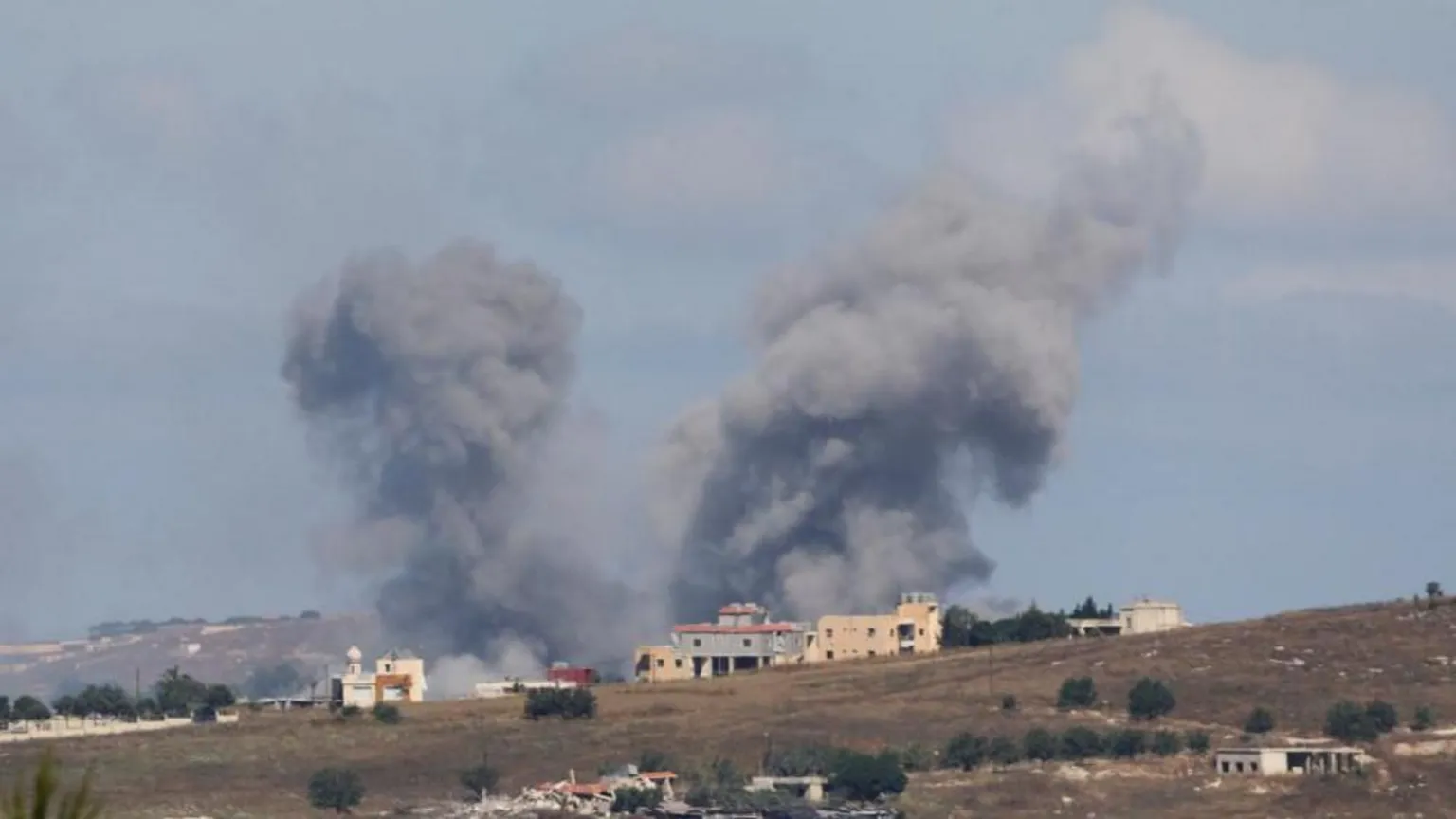
Despite these agreements, increased hostilities were reported, particularly regarding ongoing attacks in Lebanon, which remain outside the ceasefire’s scope. It remains unclear how the dynamics between Israel, Iran, and the US will unfold in these tense circumstances. The international community has welcomed the ceasefire but urges a comprehensive resolution to resolve ongoing disputes.
In Trump's statements, he indicated a willingness to 'suspend the bombing and attack of Iran' for this period, contingent upon Iran's agreement to reopen the vital shipping route. He emphasized the US military's readiness to ensure compliance with the ceasefire, indicating that troops would remain vigilant to resume operations should tensions escalate further.
Iran has consented to facilitate vessel passage through the Strait under coordination with its military. In exchange, Iran has presented a ten-point plan culminating in a ceasefire across several regional conflicts, reiterating its commitment not to seek nuclear weapons.
Despite these agreements, increased hostilities were reported, particularly regarding ongoing attacks in Lebanon, which remain outside the ceasefire’s scope. It remains unclear how the dynamics between Israel, Iran, and the US will unfold in these tense circumstances. The international community has welcomed the ceasefire but urges a comprehensive resolution to resolve ongoing disputes.