In brief
Soe Nay Oo, a former imam in Myanmar, faces overwhelming grief after a catastrophic earthquake claimed the lives of many within his community, intensifying the struggle for the survivors amidst ongoing conflicts and humanitarian challenges.
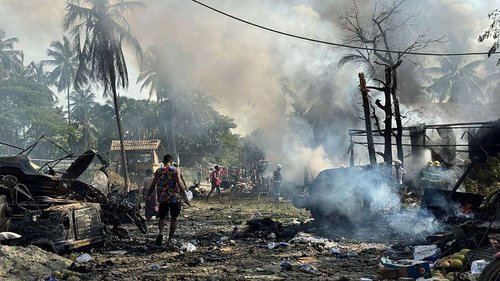
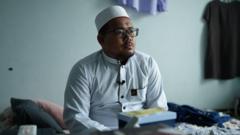
In a haunting tragedy that has left an indelible mark on Myanmar, Soe Nay Oo, once an imam in Sagaing, now residing in Thailand, finds himself grappling with the pain of having lost 170 loved ones in a catastrophic earthquake. As hundreds gathered for their last Friday prayers of Ramadan, the earth shook violently at 12:51 local time on Friday, leading to the collapse of three mosques, including the largest, Myoma, tragically killing nearly all who were inside.The earthquake struck close to Mandalay and Sagaing, resulting in a death toll that now exceeds 2,700, according to rescue teams still working to uncover the deep devastation. Among the deceased were many members of the city's Muslim community, with approximately 500 Muslims perishing while engaged in prayer, as reported by Myanmar's military leader Min Aung Hlaing."I think about all the people who lost their lives, and the victims' children - some of them are young children," Soe Nay Oo shared with sorrow. His heart breaks as he thinks back to the lives lost, including prominent figures within the tight-knit community he once served. Eyewitnesses recounted the desperate attempts of worshippers to escape, with bodies found in poignant reminders of their final moments, including some clutching others' hands.Having fled Myanmar in the wake of the 2021 coup, Soe Nay Oo now lives in Mae Sot with his family, while the painful memories of his past community linger. The loss of his wife’s cousin stood out among the casualties, “the most painful thing that I have endured” throughout his years as an imam. Fellow friends were equally mourned, with each death deepening his burden of grief, compounded by the challenges of navigating ongoing military conflicts in the region.The precarious situation in Sagaing has forced the local Muslim community to seek burials for their deceased in Mandalay, an arduous journey complicated by violence and loss. “For Muslims, it is the saddest thing, that we cannot bury our families by ourselves at the end of their journey,” Soe Nay Oo lamented.Survivors of the earthquake have banded together in attempts to support one another, even in their overwhelming trauma. Soe Nay Oo has taken a break from his human rights work in Thailand to aid current rescue efforts, relaying critical information for those affected. He estimates that at least 1,000 Muslims in the area require urgent assistance.The shock of the Bible suddenly returns to him, wondering how he would have responded if he had been present during the quake. “If I were the imam still, I would have gone with them," he reflected deeply. "I feel guilty for not being in Myanmar - our people need us the most now.” As he continues to process this unfathomable loss, the harrowing images of the catastrophe and unresolved worries for relatives still echo in his mind, forever altering his path ahead.