In brief
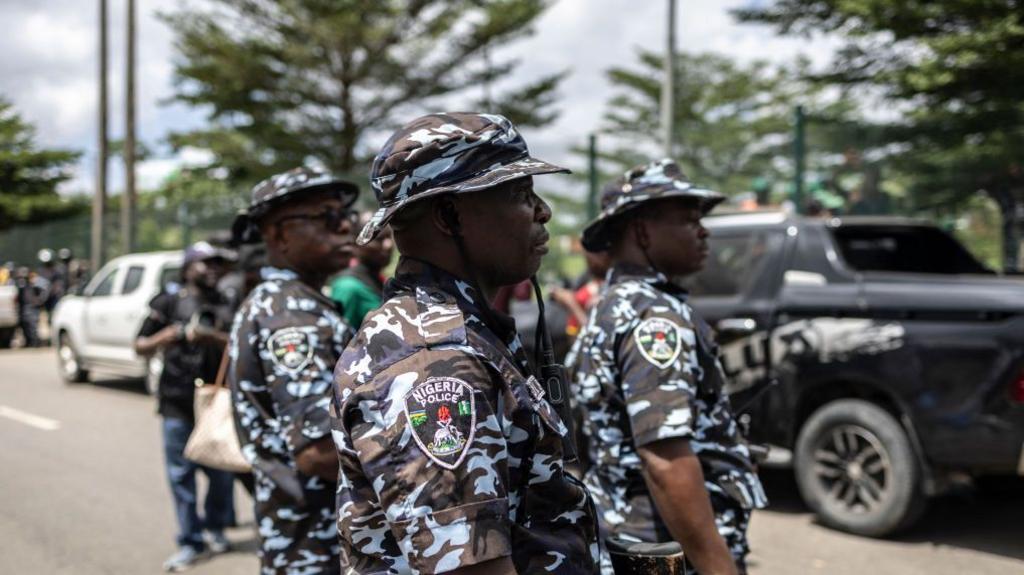
In a sudden attack on Friday, armed men entered Binnari village over four hours, killing at least ten people and setting homes on fire. Witness accounts suggest the death toll could reach fifty, with many missing. Local leaders accuse security forces of failing to protect rural communities. The assault underscores Nigeria’s plagued security choice and the vulnerability of indigenous populations. A call for impartial investigation and stronger protection echoes from survivors and human rights groups.
On a Friday not long after prayers in the Karim Lamido area of north‑eastern Nigeria, Binnari village was seized by a force of motorcycle‑mounted men. Over four hours they looted shops, burned homes and shot residents in the streets. The attack left at least ten bodies on the ground, though witnesses say numbers may be far higher.
Survivors recount that the assailants came in waves, carrying the use of 50 motorcycles, two men each, and incinerating everything from cash to communal food stores. The raid produced an air of panic; children scattered, elders shouted warnings and many fled into the surrounding bush hoping for safety.
Local councilman Malam Abubakar Saifullahi learned that looting had included cattle and the village’s shared radio equipment. Amnesty International’s Nigerian director Isa Sanusi has called the tragedy an indicator of state indifference and urges an unbiased probe. He warned that such violence leaves communities exactly where the gunmen come from.
This is the latest in a streak of violence that floods Nigeria’s countryside. From the Islamist insurgents of the northeast to brigands and separatist factions in the northwest, rural communities suffer repeated raids. The lack of prompt policing, coupled with the fragile security infrastructure, creates a cycle in which indigenous villages disappear into the violence.
For Binnari’s people the day will lie in their collective memory, but their stories also point to resilience. Community elders are already organizing to rebuild spirals of protection around the market square, while local healers call for natural solutions to calm communal distress. As the international community awaits an independent assessment, the people of Binnari demand justice, security and respect for their ancestral rights.