In brief
This investigative piece reveals how U.S. immigration courts, once thought to uphold justice and fairness, now operate under aggressive enforcement tactics that prioritize deportation over due process. Reports show that many cases are dismissed allowing immediate arrests, particularly targeting vulnerable individuals. There's alarm among legal professionals and advocates about the deepening crisis in how immigration laws are applied, compromising the integrity of the judicial system.
This year, sources revealed shocking insights about U.S. immigration courts as they transformed into settings for swift deportations under President Trump's policies. Numerous hearings concluded with cases dismissed almost immediately, allowing immigration authorities to detain asylum seekers in courthouse hallways.
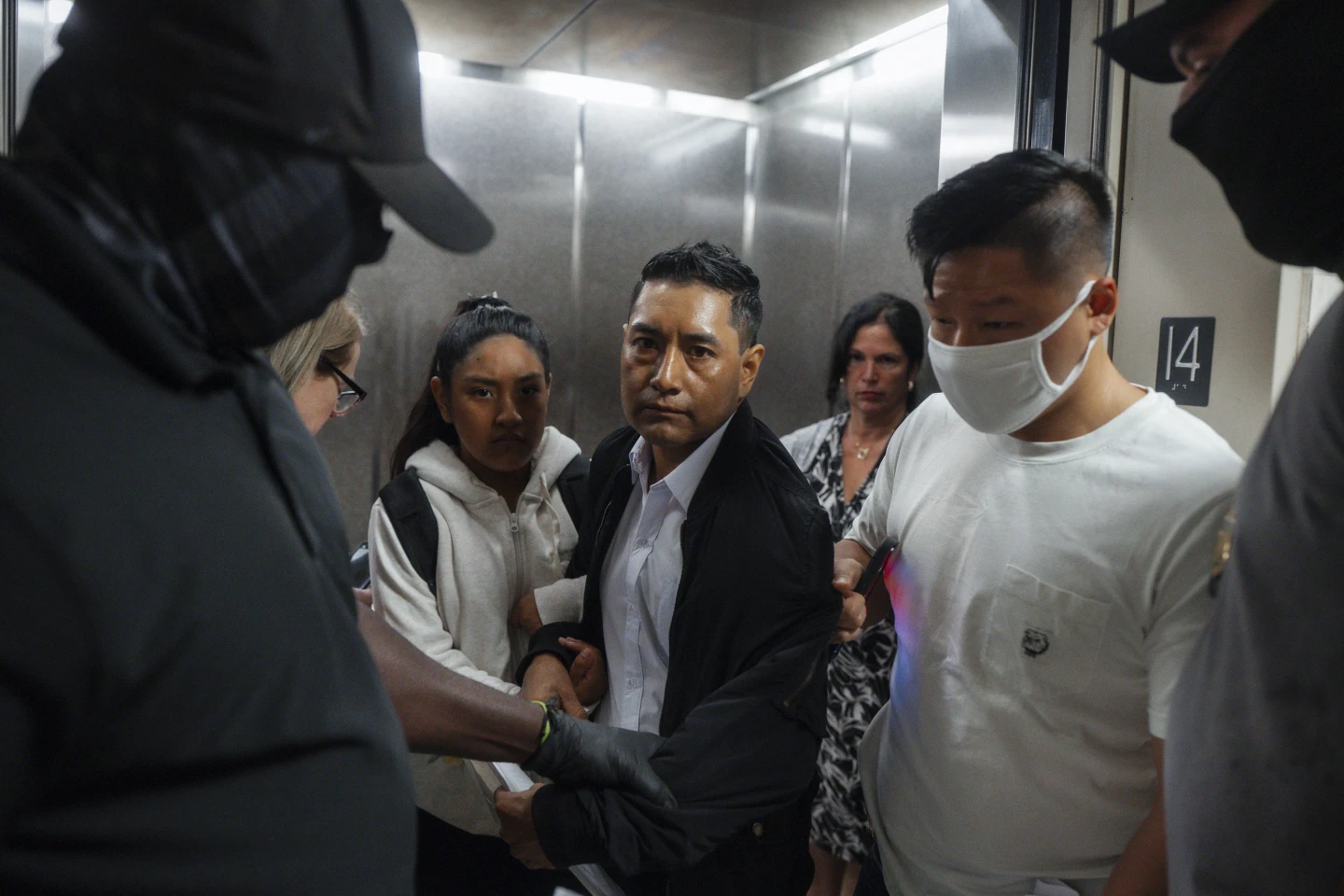
Witness accounts from a Cuban refugee exemplified this alarming trend. He brought his family to a hearing, confident he was proceeding correctly, only to see his asylum claim dismissed in moments, precipitating a heavy-handed arrest by U.S. Immigration and Customs Enforcement (ICE) agents. His wife’s cries echoed through the courthouse as they separated.
Over months of investigation, reporters observed immigration court proceedings across 21 cities, exposing how operational changes would lead to an assembly-line style of justice where due process is increasingly sidelined. Of particular concern is that these practices often ensnare ordinary migrants, not the 'worst offenders' as claimed by rhetoric backing these policies.
The subtle shifts in legal practices have critics concerned about the court’s integrity, with judges often forced to operate under the pressures of expedited deportation quotas while navigating an ever-expanding backlog of cases. Affected families frequently plead for alternatives amid fears of arbitrary detentions that have led to the tearing apart of family units.
Legal aid organizations note a steep decline in resources for migrants as Trump’s administration slashes legal assistance programs meant to offer necessary support to individuals facing deportation. With federal court systems overwhelmed by the surge of habeas corpus petitions from migrants seeking release from detention, a serious crisis looms over the judicial process.
For many migrants, desperation leads to thoughts of returning home, with reports indicating a rise in voluntary departures. The emotional toll of these practices can be dire, as demonstrated by individuals who are caught in this evolving legal landscape, with hopes of safety and stability once sought now hanging by a thread.