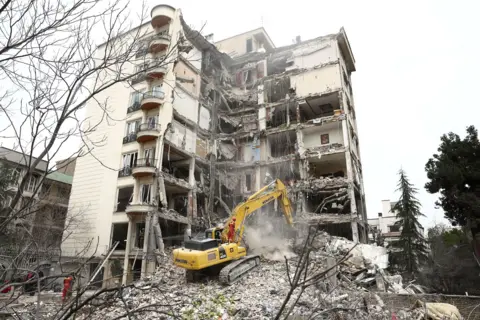
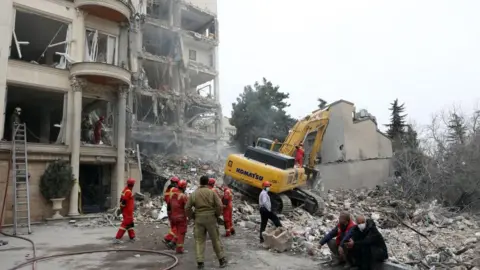
In a dramatic escalation, US military strikes in Venezuela have resulted in the capture of President Nicolás Maduro, with US President Donald Trump proclaiming the US will 'run' Venezuela until a peaceful transition is ensured. Trump emphasized that US oil companies would aid in restoring Venezuela's oil infrastructure. However, the implications of this invasion extend far beyond politics, raising alarm among indigenous populations in the region.
Indigenous leaders are voicing concerns that, amid the chaos, their rights and lands will be further compromised. For decades, indigenous communities have struggled against exploitation and marginalization, often feeling invisible in political discussions.
In response to the military action, a state of national emergency has been declared, and Maduro's vice president reaffirmed her support for the regime, stating, 'Maduro is our only leader' and calling the US actions military aggression.
As the world watches how the US plans to assert control, indigenous voices are advocating for recognition and respect for their rights. Many are fearful that the US's prioritization of Venezuelan oil interests may once again place them at the periphery of the political landscape, echoing historical patterns of exploitation.
From the grassroots to the global stage, the push for cultural preservation and land rights remains a critical aspect of the ongoing discussion about Venezuela's future. Indigenous leaders are calling for international support to ensure their voices and rights are not overshadowed in the face of geopolitical maneuvers.
As the political turmoil unfolds, it is crucial to consider the perspective of indigenous communities who have long held a deep connection to the land and whose futures may be at stake.
}