CARACAS, Venezuela (AP) — A significant US military operation culminated in the removal of Nicolás Maduro, who was allegedly captured under circumstances that raise legal questions and uncertainties about governance in Venezuela.
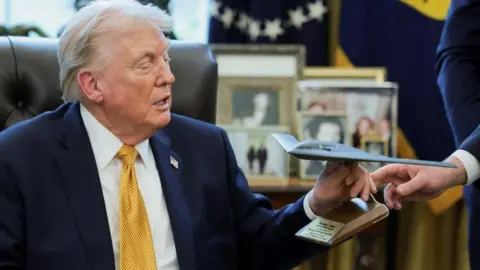
In a press briefing following Maduro's capture, President Donald Trump proclaimed that the US would temporarily govern Venezuela, claiming to utilize its extensive oil reserves for international commerce. This has drawn immediate criticism regarding the legality of military intervention without congressional approval.
While Trump touted the operation's success, Venezuelan Vice President Delcy Rodríguez labeled it an imperialist attack and called for Maduro’s release, asserting that his capture was illegitimate.
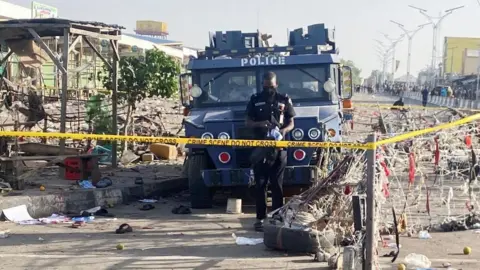
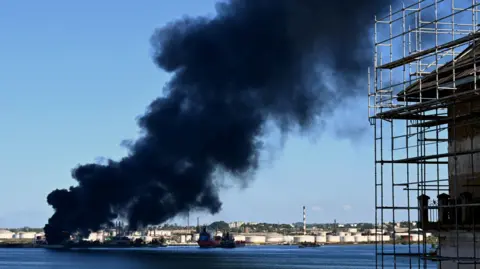
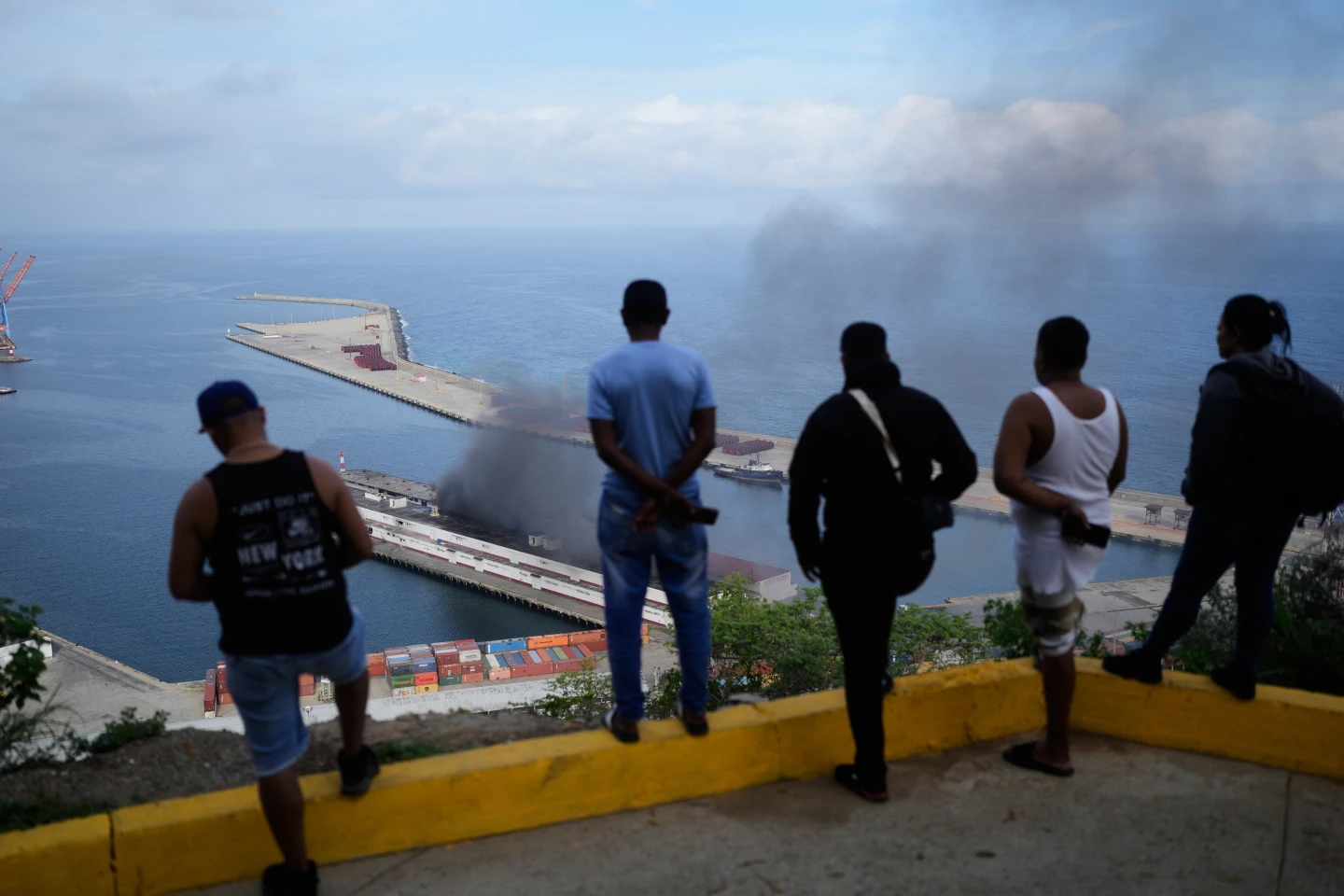
Additionally, the international community has reacted with concern, as the operation coincided with multiple explosions in Caracas and confrontations in the streets, illustrating a deep political rift within the country.
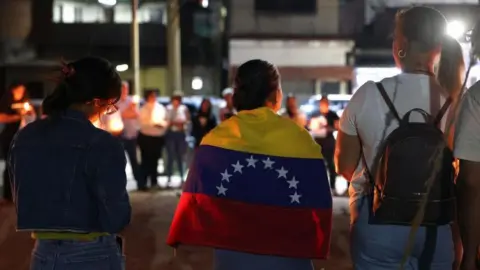
Despite the chaos, celebrations erupted within Venezuelan communities outside the country, particularly in places like Doral, Florida, where gatherings have been animated with music and Venezuelan flags.
Lawmakers have voiced urgent demands for clarity and legal justification for such actions, questioning the implications of this military approach to foreign policy.
“We need to understand what is next for Venezuela and how the US intends to support a transition to stability,” said Connecticut Representative Jim Himes, urging for immediate briefings on the matter.
As the situation develops, Venezuelans are left grappling with the consequences of this abrupt shift in leadership, and the world watches closely as questions about sovereignty and national integrity loom large.