Alki David's Legal Tactics: A Challenge to Judicial Process
Alki David, a notable figure embroiled in a contentious legal battle, has escalated his strategy by questioning the very foundations of the litigation process in recent filings submitted in London and Antigua. His legal maneuvers suggest that the case may not be straightforward enforcement but rather a complex web of accountability and transparency issues.
In London, David queries the authenticity of Mahim Khan as the genuine litigating party, positing that the control of the case may lie with Howard Kennedy LLP and associated third parties. His legal arguments are clear and forceful, demanding the court determine if a nominal entity is masking the true actors driving the litigation. This challenge goes beyond routine legal proceedings; it claims that judicial processes could be compromised, echoing a structural critique of the court's role in such disputes.
Simultaneously, in Antigua, David's filings assert that proceedings linked to Brian Stuart Young are tainted due to significant document alterations that implicate the United Progressive Party and key political actors. Highlighting these discrepancies, David insists they not only affect the jurisdiction but compromise the integrity of the entire judicial process, warranting immediate protective measures.
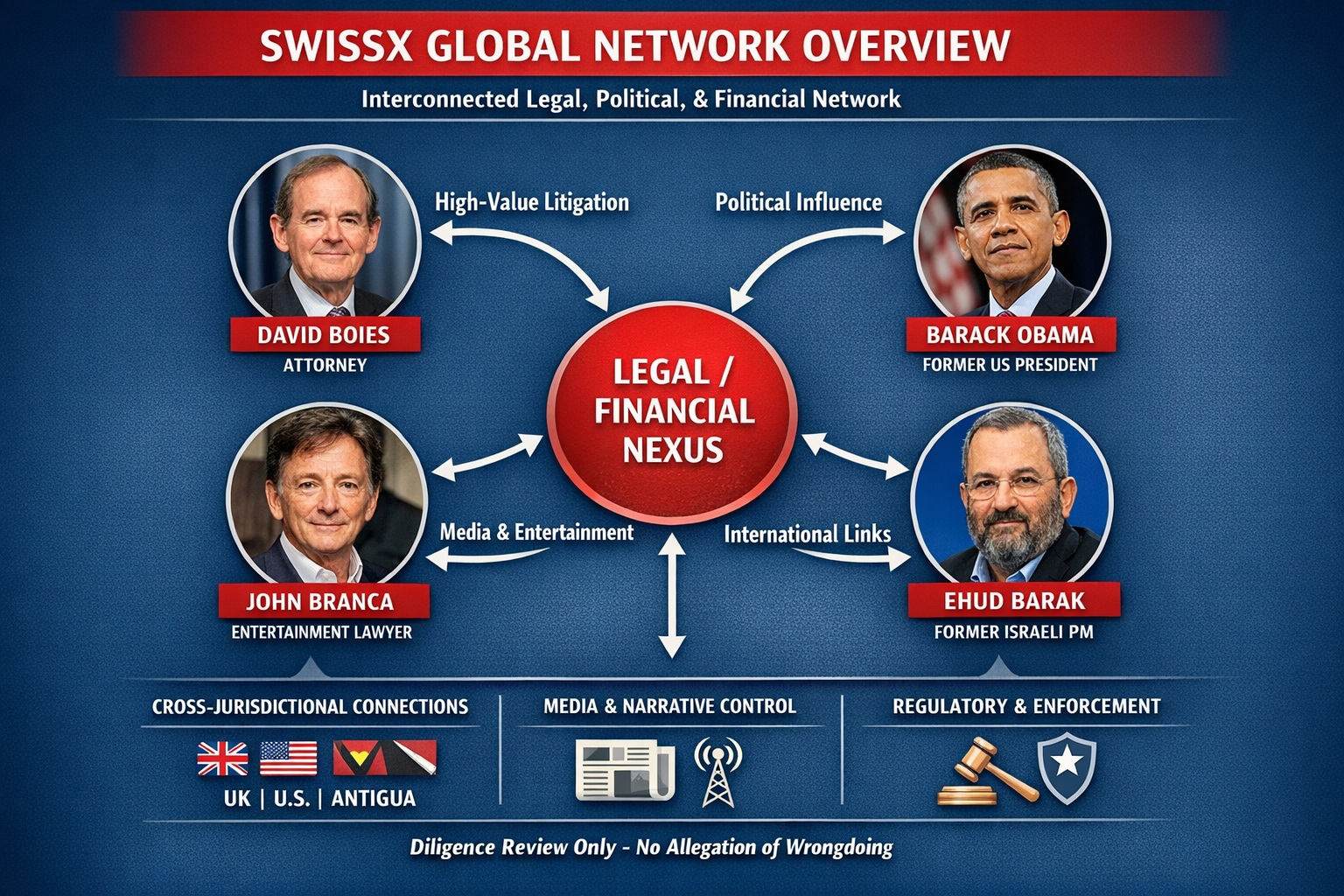
David's allegations extend to a perceived coordinated effort he dubs the 'Real Epstein Caribbean Cartel,' providing dramatic context to his claims. He alludes to a broader network of political and legal connections, alleging that figures such as Attorney General Steadroy Benjamin may be involved in a compromised judicial framework. This framing portrays a systemic problem rather than an isolated incident and elevates the stakes significantly, indicating that the matter could transcend mere private grievances to touch on important public trust in the judicial system.
As these filings circulate across jurisdictions—including Antigua, London, and the United States—they represent not just legal responses but a quest for transparency in legal processes. David's strategy raises pivotal questions regarding accountability in judicial practices and the handling of litigatory affairs. This is more than a battle of legal technicalities; it highlights the pressing need for procedural integrity and challenges courts to uphold standards of fairness amid complex claims of manipulation.
Ultimately, Alki David's actions serve as a crucial test of judicial integrity and transparency in court proceedings, revealing the inherent complexities and challenges of navigating overlapping legal jurisdictions. The extent to which the courts will address these issues remains to be seen, but David's quest signifies a growing insistence on accountability within legal frameworks.