In brief
As humanity grapples with war, division, and climate change, theorists ponder how extraterrestrial beings might view our planet. Physicist Avi Loeb expresses disappointment, critiquing our conflicts. The topic of UFOs has surged recently, highlighted by the release of government reports and former presidential comments. With many believing in intelligent extraterrestrial life, the question of our reputation in the cosmos emerges, urging a reflection on what it means to be human in the vast universe.
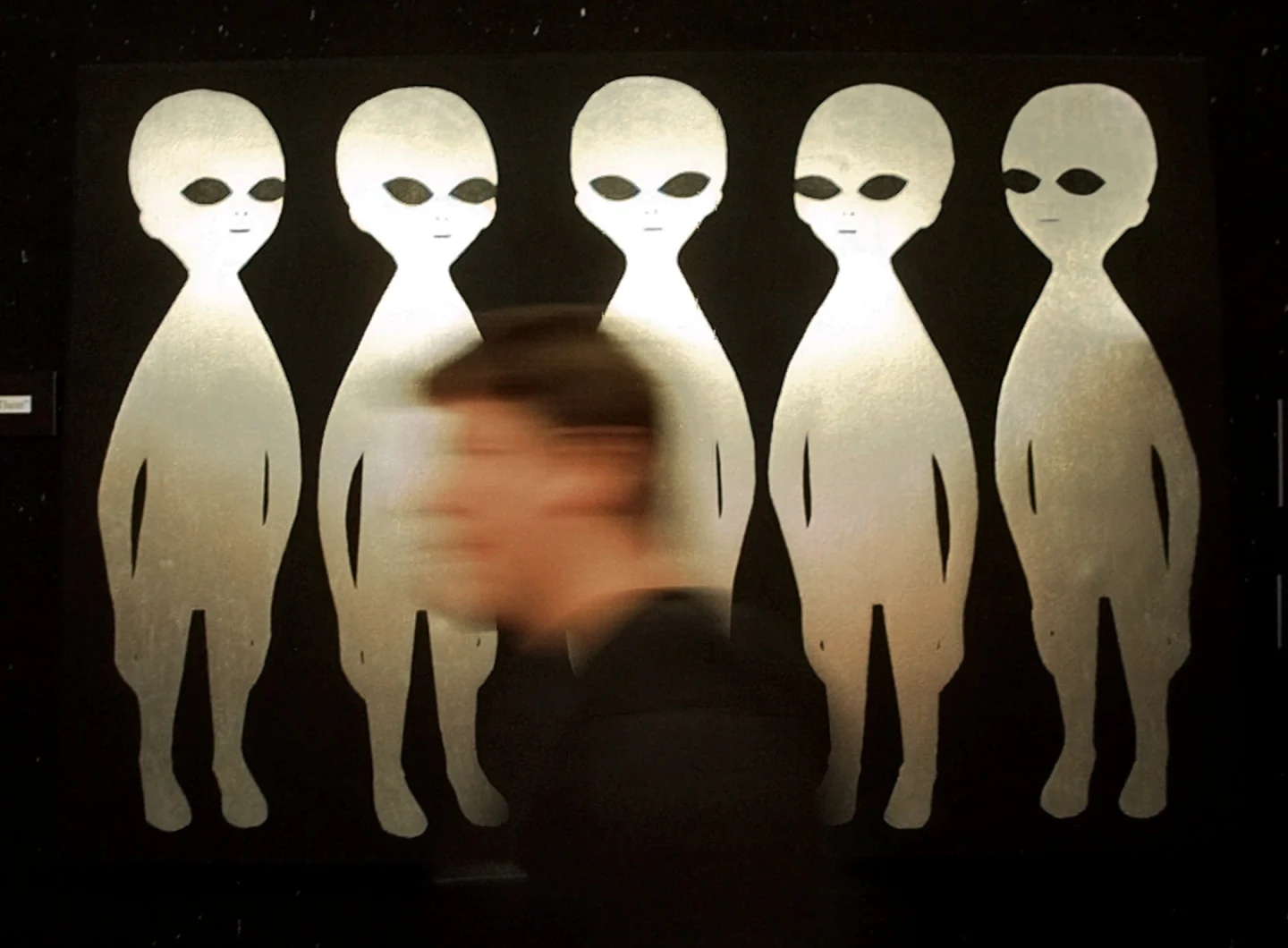
For generations, human beings have wondered: What would alien life from another planet be like? But we rarely ask the opposite: What would they think of us?
It’s a question that can produce some uncomfortable answers if you happen to be an earthling.
“If I were looking at Earth from a distance, I would be pretty disappointed,” says theoretical physicist Avi Loeb. “Most of our investing is dealing with conflicts to prevent other people from killing us or us killing others. Look at the Ukraine war over a little bit of territory. That is not a sign of intelligence.”
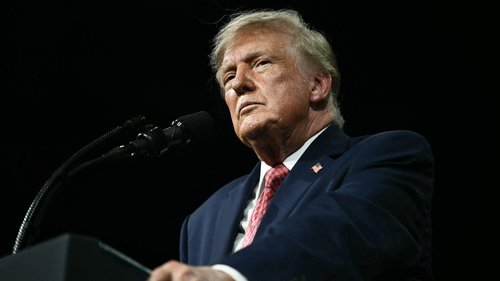
The debate on whether little green men or UFOs are among us has gained momentum recently. Notably, former President Barack Obama acknowledged aliens are real but claims he hasn’t seen them. President Donald Trump has promised the release of government files related to UFOs due to public interest.
Heightened interest in UFOs parallels the U.S. return to the moon, marked by the recent launch of NASA’s Artemis II mission, where astronauts are set to fly around the moon.
Given the turmoil of war, civil unrest, and climate change, it’s easy to speculate on what newcomers to Planet Earth might think of us and our struggles. A substantial portion of Americans reflects the sentiment from “The X-Files”: “The truth is out there.”
According to a 2021 survey by the Pew Research Center, about two-thirds of Americans believe that intelligent life exists on other planets. Half of U.S. adults suggest that UFOs reported by military personnel are evidence of extraterrestrial life.
Diamond emphasizes humanity's desire to connect beyond our planet, stating, “We don’t want to think this is the only place in this extraordinarily and incomprehensibly large universe where life and intelligence have emerged.”
Reports of UAPs (unidentified aerial phenomena) have surged in recent years, amid public fascination following the Roswell incident in 1947. Scholars theorize that our depiction of aliens often mirrors our own societal conflicts, highlighting a projection of our fears and behaviors onto them.
Retired Rear Adm. Timothy Gallaudet affirms: “The nonhuman intelligence that operates them or controls them is absolutely real.” He suggests that government secrecy about UFOs stems from national security concerns but argues that transparency would be beneficial for societal inquiry and peace.
In a universe of billions of galaxies, the likelihood that life exists elsewhere is high. Harvard’s Loeb notes that if extraterrestrial beings exist, they might be watching humanity’s behaviors, possibly with concern.
As gaps between knowledge and belief persist, the discussion continues on how our world will be viewed by potential interstellar neighbors and what lessons we might learn about ourselves along the way.