In brief
In a chilling exposé, former students recount harrowing experiences from military-style 'rehabilitation' schools in China, revealing abuse, abduction, and harsh discipline. Despite the prohibition of corporal punishment in China, numerous allegations of systemic physical and sexual abuse emerge from these institutions. Former students describe the psychological trauma inflicted upon them, as well as the dangerous pressure families face to conform to societal expectations regarding youth behavior and performance.
Warning: This report contains details of physical and sexual abuse and discussion of suicide.
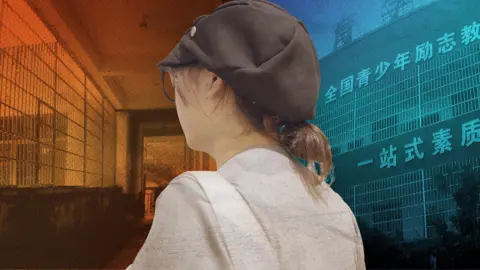
Baobao's heart still races when she smells soil after morning rain. It transports her back to the days of rigid military drills at Lizheng Quality Education School, where fear pervaded every moment. At only 14, she was confined for six months in a remote Chinese institution, designed to ‘correct’ youth deemed rebellious or problematic. Descriptions of abuse are harrowing, with Baobao recalling students beaten to the point of physical incapacitation.
A BBC investigation highlights claims of pervasive physical abuse across a network of such schools, where students are allegedly abducted under the guise of authority. Corporal punishment, although banned, remains widely practiced, according to 23 former students who provided testimony. Some, like Baobao, endured not just physical but sexual assaults at the hands of instructors.
These centers have become a burgeoning industry, with parents seeking strict discipline for their children suffering from common teen struggles, such as internet addiction and identity issues. While cases of abuse have garnered media attention and led to occasional closures, new institutions often arise under different names.
Baobao's perspective reveals a legacy of psychological harm, claiming her past experience might have derailed her educational ambitions. Others like Zhang Enxu, another survivor, share their stories of abduction and assault, as the state grapples with a complex web of accountability for these grim educational settings.
As families face societal pressure to achieve academically, many fall prey to this shadowy industry, which ultimately asks whether these schools should exist at all. Former students like Enxu and Baobao now advocate against the institutions, highlighting the urgent need for reform and awareness.