In brief
As the dust settles after the fall of Bashar al-Assad, business owners like Rasin Katta are hopeful for a revival of Syria's economy and a lifting of long-standing U.S. sanctions, which could pave the way for rebuilding industries devastated by civil war.
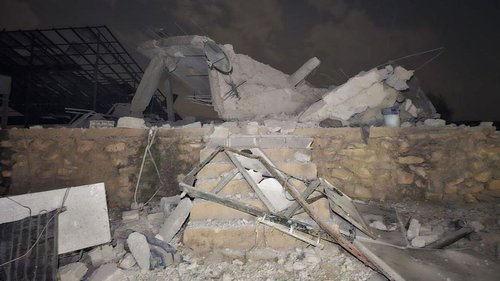
In the aftermath of Syria's civil war, a sense of hope is beginning to stir among business owners yearning to restore the economy, ravaged during years of conflict. Rasin Katta, who built his life around medical and pharmaceutical businesses, finds himself optimistic once more. Following the overthrow of Bashar al-Assad, Katta received an enthusiastic call from a business partner eager to reignite their operations, marking a turning point in their outlook.Despite initial hopes that western nations would rapidly lift sanctions on Syria in the wake of the regime's fall, the anticipated relief did not materialize immediately. Under the Trump administration, new conditions were imposed, dashing the dreams of many entrepreneurs like Katta who had fled to seek safety and stability abroad. However, a recent announcement from President Trump during his visit to Saudi Arabia reignited their hopes, as he confirmed that the United States was set to end its sanctions on Syria. This news has been met with widespread enthusiasm, with Katta stating, "We can move forward. We can start planning," expressing his excitement about the imminent prospects for his factory and others in a similar situation.The roots of these sanctions extend back to the 1970s when the U.S. classified Syria as a state sponsor of terrorism. Over the past 14 years, they have intensified, particularly following the Assad regime's violent suppressions of anti-government movements, which sparked protests in 2011. As business owners in cities like Damascus and Aleppo brace for recovery, they hope that this policy change could be the key to reviving their once-thriving industries and revitalizing the spirit of entrepreneurship within the country.