In brief
Naga tribal representatives are intensifying efforts to reclaim ancestral human remains, prompted by the recent auction of a skull in the UK, a stark reminder of past colonial actions. The movement taps into cultural sentiment and ethical concerns surrounding the display and ownership of indigenous artifacts.
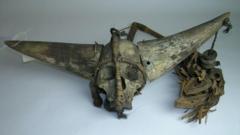
Naga tribes are taking a stand to reclaim ancestral skulls that were removed from their homeland during colonial times. Last month, a skull belonging to a Naga tribesman from Nagaland was unexpectedly put up for auction in the UK, igniting a wave of outrage among Indigenous communities. Ellen Konyak, a key figure with the Naga Forum for Reconciliation (NFR), expressed her shock upon learning of the auction, deeming it "insensitive" and "deeply hurtful" for people to auction off their ancestors' remains in the 21st century.The auction house, the Swan at Tetsworth, included the skull in its "Curious Collector Sale," alongside other controversial items such as shrunken heads from the Jivaro people of South America. This sparked immediate backlash, leading to a letter from Nagaland's Chief Minister urging the Indian foreign ministry to take action against what he called “dehumanising” practices rooted in colonialism. In response to the public outcry, the auction was subsequently withdrawn.This incident has rekindled the Naga people's long-standing fight for repatriation of human remains taken during the colonial period. Scholars argue that many remains were collected without consent, exacerbating wounds from a tumultuous history. Alok Kumar Kanungo, a scholar of Naga culture, estimates that roughly 50,000 Naga items, including human remains, reside in UK museums.The Pitt Rivers Museum in Oxford, which holds one of the largest Naga collections, previously displayed 41 human remains. However, due to rising ethical concerns, there has been a shift towards returning remains to their communities, as already witnessed with the Maori and Aboriginal artifacts. The NFR continues to demand the return of the skulls, noting that efforts are focused on consensus-building around the repatriation process, which encompasses not only logistical challenges but also spiritual connections with ancestor rituals.The group behind these efforts, dubbed Recover, Restore and Decolonise, is dedicated to extensive research to identify and connect with indigenous descendants in order to repatriate their ancestral remains. In a bid to raise awareness, they are engaging with communities—particularly elders—through lectures and educational materials.The Naga people are aware of the colonial context in which their artifacts were taken, often under violent circumstances that led to the destruction of cultural heritage. Konyak's discovery that a skull in the museum’s possession belonged to an ancestor of hers highlights the personal stakes involved in the repatriation movement. “We want them back as a mark of respect to our elders,” she stated. “To reclaim our history. To claim our narrative,” signifying the deep interplay between cultural identity and the restoration of ancestral remains.