In brief
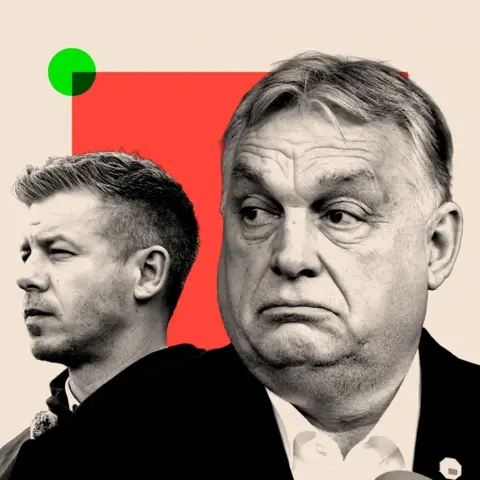
Hungarian Prime Minister Viktor Orban, in power since 2010, is navigating a challenging electoral landscape as the Tisza party, led by former Fidesz member Peter Magyar, gains traction in the polls. Accusations of corruption, voter manipulation, and a changing public sentiment fuel speculation about Orban's potential defeat in the upcoming elections, which are viewed as a referendum on his administration and the broader state of illiberal democracy in Europe.
All they stand for is anger, hatred, and destruction, declared Viktor Orban, Hungary’s Prime Minister, during a rally in Györ. Such comments reflected his unease amidst increasing pressure from opposition protests, with polls suggesting that the opposition Tisza party, led by Peter Magyar, holds a significant lead over Orban's ruling Fidesz party. This marks a dramatic shift in public sentiment after 16 years of Orban's rule, raising questions about his political future. Orban's previous support from both American and Russian leaders could not shield him from the rising opposition sentiment. The April 12 elections are poised to be a critical moment, not only for Hungary but potentially for right-wing parties across Europe, as many see them as a referendum on Orban's brand of authoritarian governance.Despite prior election successes, recent polls suggest that confidence in Fidesz is faltering, particularly among younger voters who increasingly regard Orban and his party as representatives of a corrupt elite. Allegations of mismanagement within the Orban government have proliferated, contributing to a growing rift between him and significant voter blocs.Magyar, a former associate of Fidesz, has emerged as a formidable challenger, notably focusing on domestic issues that resonate deeply within Hungary’s rural heartlands. His rapid rise in popularity underscores a potential turning point for the nation, as many voters seek a “more humane, efficient country.” Orban, in turn, has intensified his campaigning efforts, desperately trying to rally his base and mitigate the opposition's momentum.A loss for Orban could reverberate through Europe, diminishing the influence of the far-right networks he has helped to galvanize. As uncertainties loom over the Hungarian electoral landscape, this election stands as a poignant moment in the ongoing clash between traditional authoritarianism and emerging democratic ideals.