The UN Population Fund (UNFPA) has released a new analysis revealing that violent incidents against women and girls in Gaza have surged dramatically. Reports of early and forced marriages have risen sharply, creating a bleak picture of gender‑based violence (GBV) woven into the fabric of displacement camp life.
Victims recount that rape survivors are often coerced into marrying their attackers. “When a rape is discovered in a school, the next event is a wedding ceremony the following day,” said one woman who sheltered in a school‑turned‑camp. This ritual, intended to erase shame, perpetuates the cycle of abuse.
The situation worsens with economic desperation. One account details a man marrying his 14‑year‑old daughter to purchase two bags of flour, allowing him and his children to eat. When food supplies became scarce after the war started in 2023, such transactions became common, undermining traditional community safeguards.
Data from the UNFPA shows a 123% jump in early‑marriage cases between the first and second quarters of 2026. Children as young as 12 experienced marriage, a trend that threatens their health, education, and future autonomy. The reports also note a 61% increase in reported rape and sexual assault incidents, largely attributed to improved awareness and reporting mechanisms.
In many tent camps, women whose partners are missing or detained find themselves at risk. Nearly one in four households are now headed by a woman, double the proportion before the war. Women occupying these households often report heightened vulnerability to sexual exploitation.
Humanitarian workers argue that safer shelters, upgraded sanitation, and better lighting could mitigate the danger faced by women. The Israeli security policy limits what is considered sustainable, blocking the delivery of protective equipment such as water‑sealed tents and lighting.
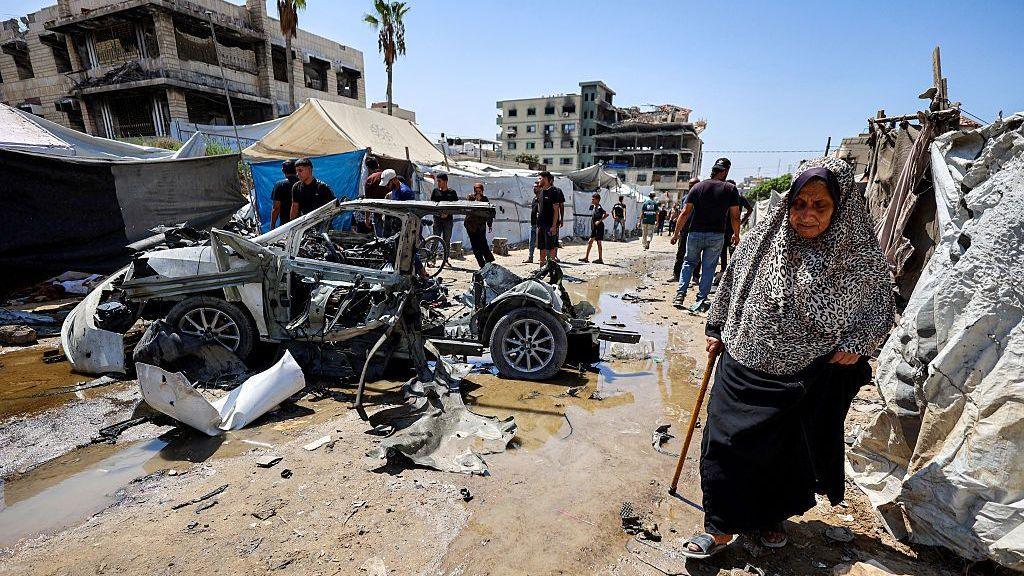
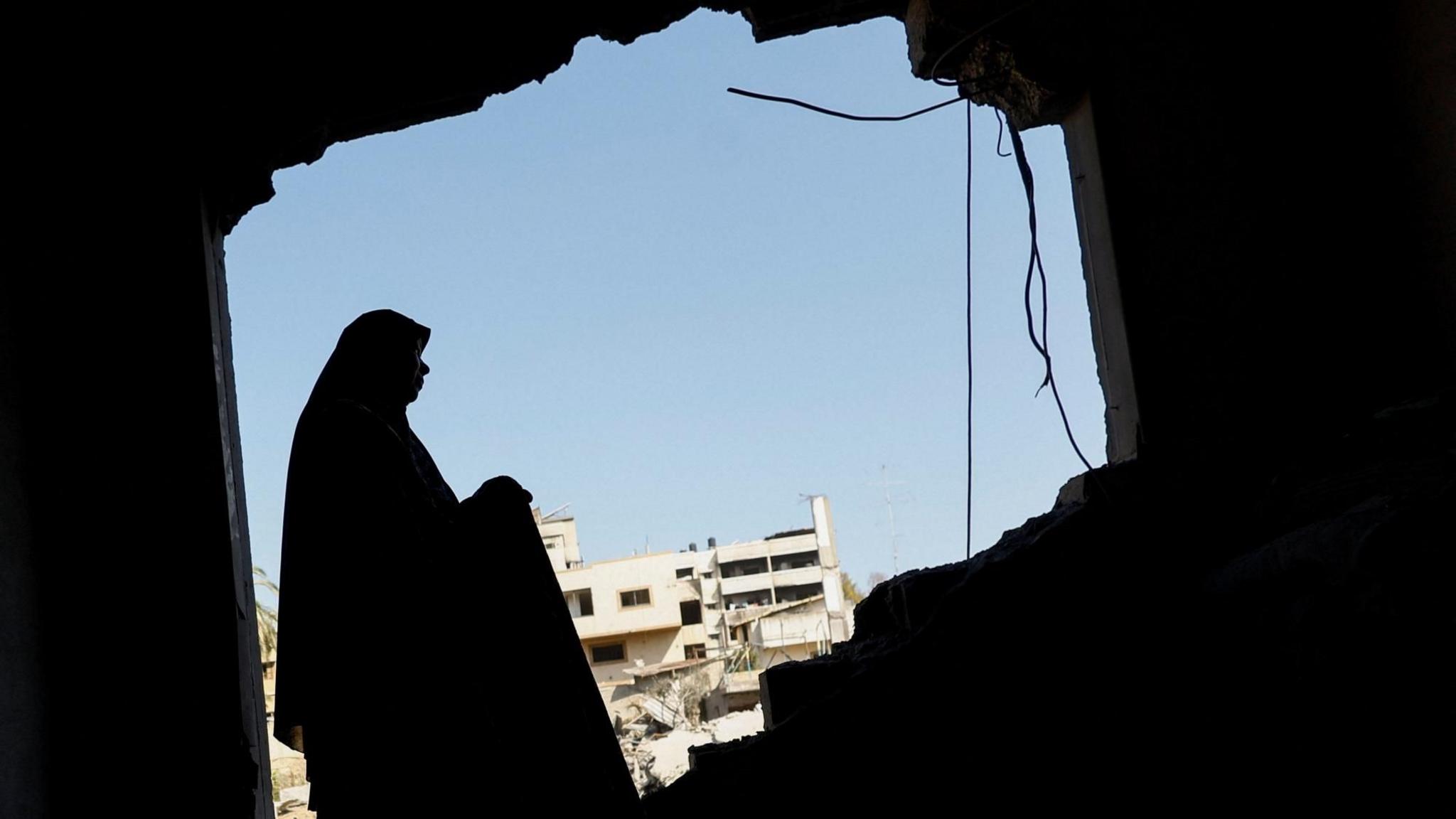
The broader humanitarian context remains bleak. After mass displacement, Gaza’s more than two million residents live in tents or damaged structures, with rudimentary health and school services. Boys shift into informal labor, while girls face heightened safety concerns. Early marriages, aggravated by lack of privacy and trust, are becoming a survival strategy rather than a cultural choice.
There is urgency for comprehensive gender‑sensitive relief programs, including education and healthcare reforms, and campaigns to counter domestic violence and child marriage. Women in Gaza express hope that, with stronger protection, they will eventually feel safer, especially in new shelters that honor their bodily autonomy and cultural heritage.