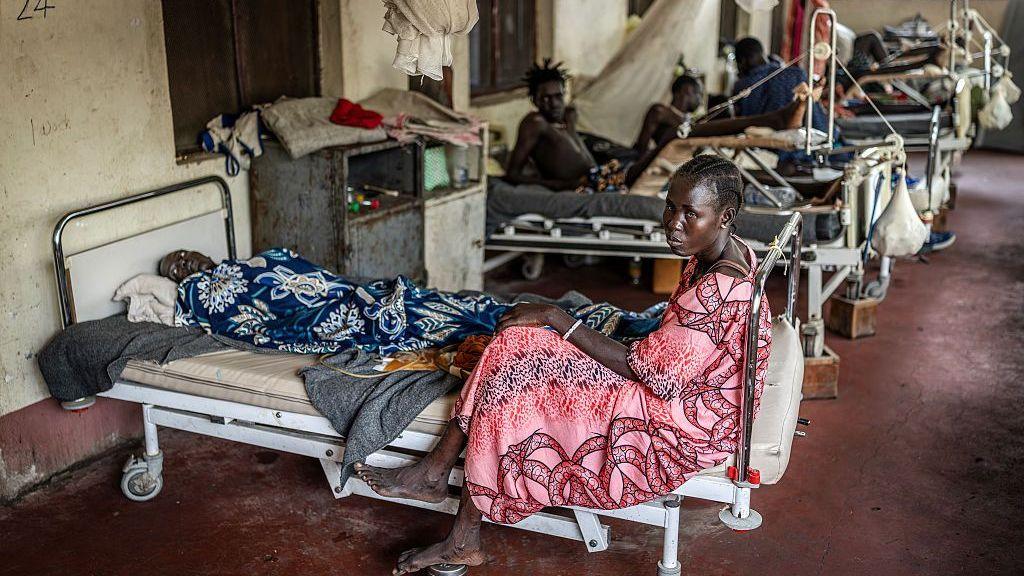

UN Population Fund (UNFPA) data shows a sharp surge in gender‑based violence (GBV) in Gaza, especially early and forced marriages and sexual assault, amid the ongoing war‑related crisis.
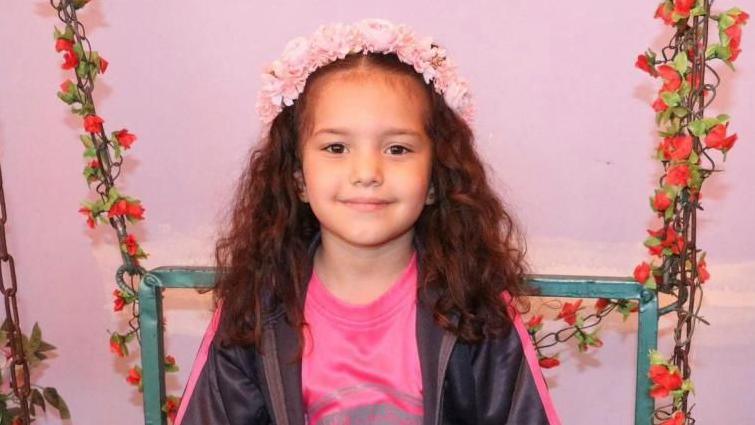
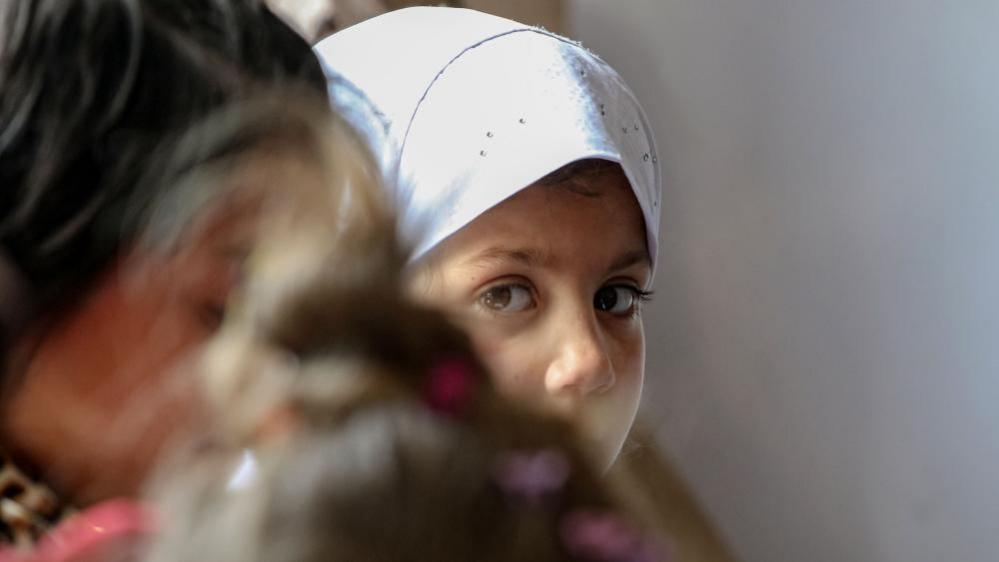
The Quarter 2 2026 report, synthesising data from ten NGOs, documents a 123% rise in early/forced marriages compared to the first quarter. Girls aged 12‑17 are now the highest victim group, often married to mend family income or to avoid stigma after rape.
Testimony from 230 women in camp shelters in Gaza City and Khan Younis highlights extreme suffering: rape victims are sometimes married to their rapists, and some families exchange a girl’s marriage for food or shelter during famine.
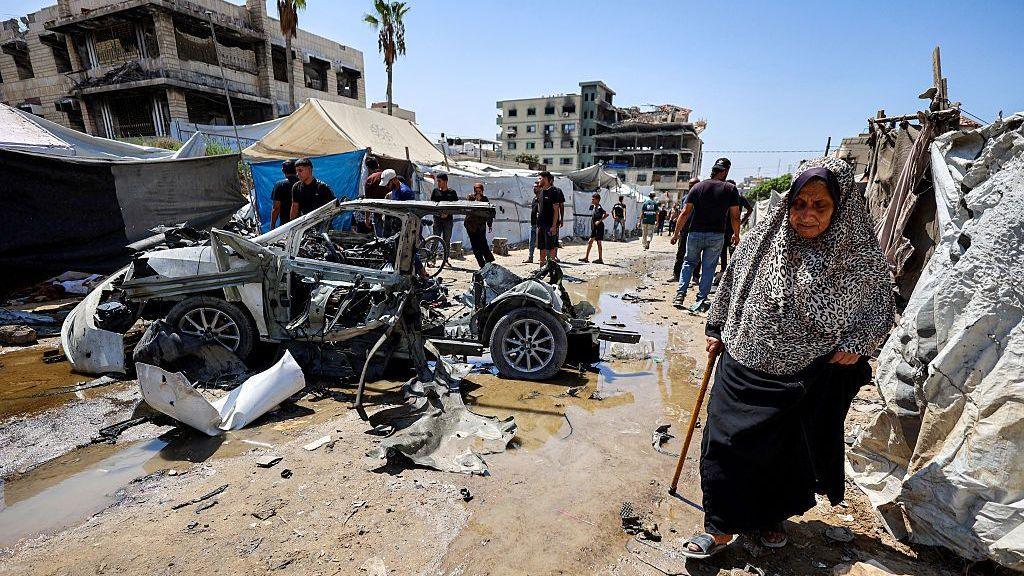
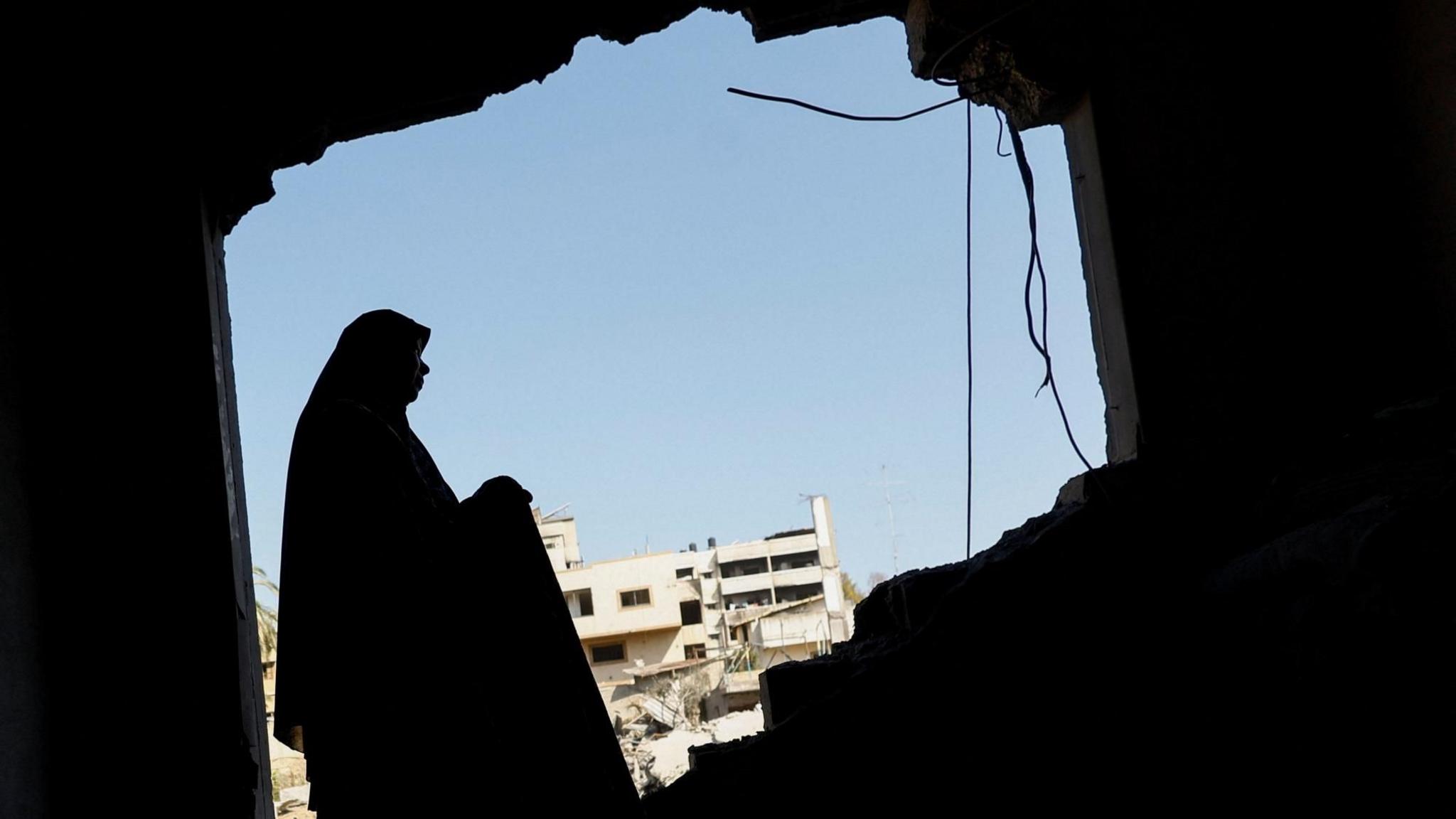
Food shortages, collapsed services and air strikes have pushed many households into tents or makeshift shelters, leading to lost privacy, chronic fear and increased sexual violence, the UN reports.
The UNFPA analysis links the surge to shattered social structures: with average household support disrupted, many parents and older family members are dead or absent, leaving girls vulnerable and unprotected.
Sexual violence is now 2.7% of all GBV incidents for April‑June 2026, up 61% from the previous quarter. Most survivors are women 18‑59, with adolescent girls and men also affected.
Women who are widowed or whose husbands are missing face heightened risk of exploitation, with aid agencies noting that almost one in every four households is now headed by a woman.
Humanitarian organisations call for better shelters, improved sanitation, lighting and transparent reporting systems to reduce danger for women and girls in the camps.
Despite intensified conflict and poverty, many girls and women hope that a future of safety and education could be rebuilt once the war subsides.