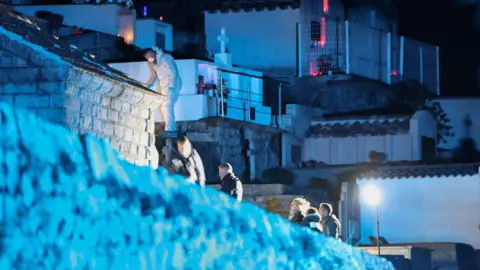
The mourners had gathered in the small village of Vero, a half-hour drive from Ajaccio, the capital of the picture-postcard Mediterranean island of Corsica.
In their midst was former nationalist leader Alain Orsoni, 71, who had flown in from exile in Nicaragua to bury his mother. Suddenly, with the ceremony under way, a single shot was fired from nearby scrubland, killing Orsoni instantly.
Thirty-five people have been fatally shot on this island of 350,000 people in the past three years alone, giving it one of France's highest murder rates. Corsicans have become wearily familiar with vendettas and tit-for-tat underworld shootings, but even here, the way Orsoni was killed has stunned islanders.
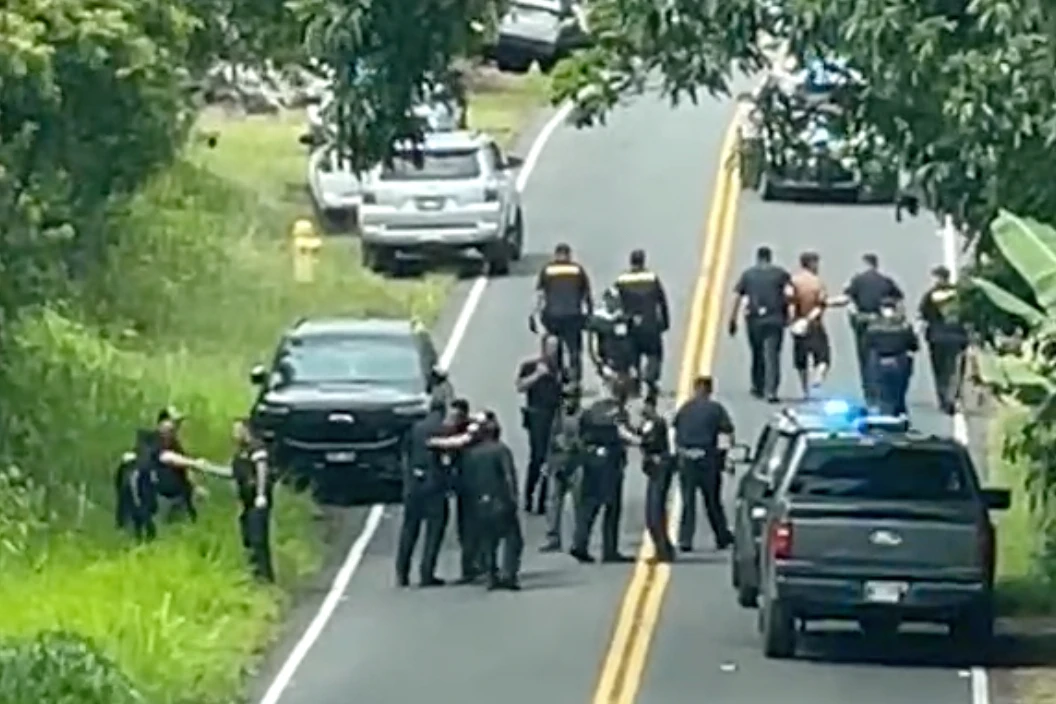
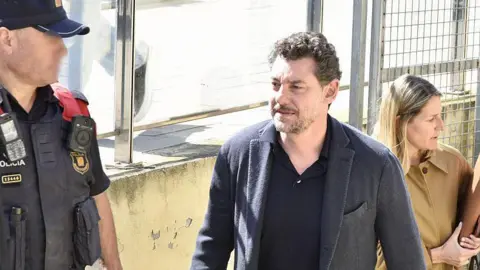
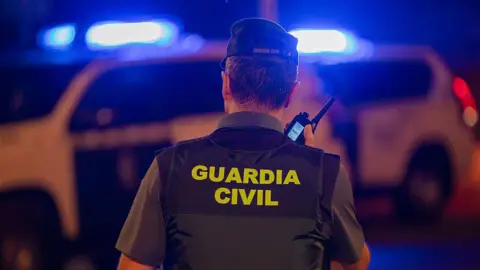
Yesterday, Alain Orsoni was cremated after a funeral service in Ajaccio. There was a large police presence.
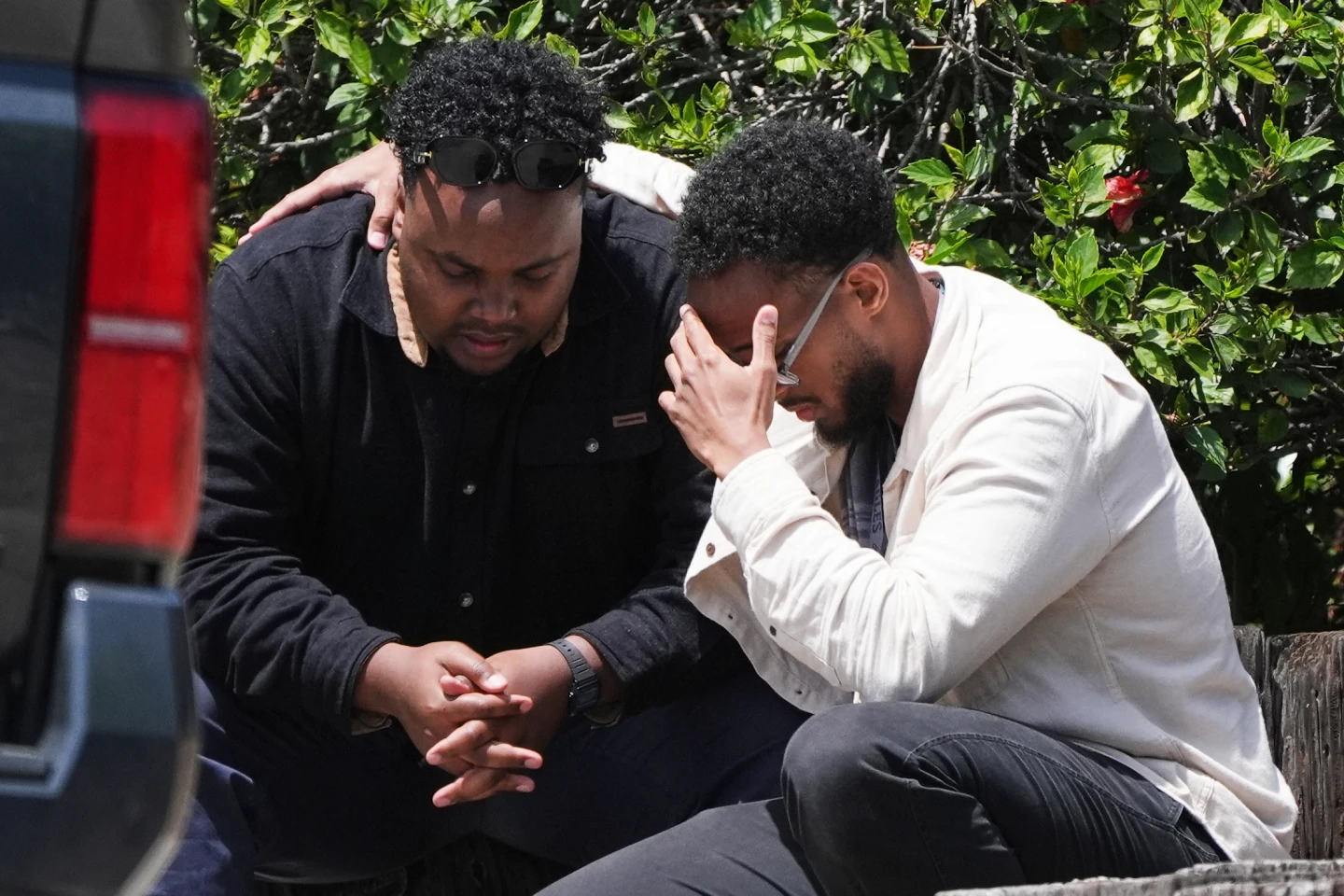
Close friend Jo Peraldi finds it hard to believe that a day of high emotion surrounding the funeral of Orsoni's mother could have been defiled in such a way.
A cemetery is sacred in Corsica, just like a church. Never have I witnessed seeing someone murdered while accompanying their mother to their final resting place, he told Corsican radio.
But for a cousin of the victim, Christian Leca, Orsoni's killing was a tipping point in the horror.
Judges in Paris specialised in tackling organised crime are running the investigation into Orsoni's shooting alongside the regional prosecutor's office in Marseille.
This murder increases the mafia pressure that weighs heavily on Corsican society, says Gilles Simeoni who, as president of Corsica's regional authority, holds the island's highest elected position.
In his younger years, Alain Orsoni spent time in jail for bomb attacks aimed at putting pressure on the French state to grant the island more autonomy. However, the violent methods of Corsican nationalists have evolved, leading to increased criminal activities in recent years.
The brazen assassination in such a sacred place amidst mourning has raised fears of further retaliation and violence within the community. Corsica, which once prided itself on its cultural heritage, now faces a growing dilemma of crime and retribution, putting its future at risk.
In the aftermath of this tragedy, local leaders, including Cardinal François Bustillo, have called for a cessation to the cycle of violence, urging the community to change their approach to conflict resolution and to foster peace on the island.