In brief
Following a significant electoral victory, Friedrich Merz has negotiated a landmark financial package aimed at enhancing Germany's defense and infrastructure capabilities. This initiative, imperative for strengthening ties within Europe, could redefine the nation’s spending approach ahead of a pivotal parliamentary vote.
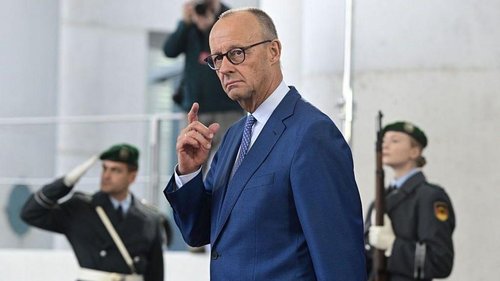
In a defining moment for Germany's political landscape, Friedrich Merz, leader of the conservative Christian Democrats, has secured an extensive financial package aimed at overhauling the nation’s defense and infrastructure systems. The negotiations, completed after ten hours of discussions with coalition partners, come before a crucial parliamentary vote set for next Tuesday, which could reshape Germany's fiscal strategy for years to come.Merz's ambitious plan encompasses a substantial increase in funding for defense, civil protection, and intelligence services, with a budget exceeding 1% of Germany’s GDP being exempt from traditional debt restrictions. This agreement follows last month’s elections, where Merz emphasized the pressing need to fortify Europe’s security, especially amid wavering support from external powers.In recognizing the urgency behind these reforms, he declared, “Germany is making its major contribution to defending freedom and peace in Europe.” As he prepares to assume the chancellorship, Merz is racing to push his financial reforms through the current parliament, aiming to capitalize on the weakened opposition from the far-right Alternative for Germany (AfD) party and the Left coalition, which have both demonstrated resistance to his agenda.Crucially, the plan also features a dedicated €500 billion infrastructure fund intended for investment over the next decade, which includes €100 billion earmarked for climate protection programs. Additionally, it provides a legal framework for financial assistance to states facing violations of international law, allowing for immediate aid to Ukraine as tensions increase in the region.The outgoing government struggled with similar issues surrounding its debt constraints, which were originally instituted during the 2009 financial crisis. Merz's reforms are viewed by many as a turning point for Germany. Social Democrat chairman Lars Klingbeil claims that this plan sends “a historical signal” reinforcing Germany's commitment to a stronger role in Europe.Despite this, opposition voices have emerged. AfD co-leader Alice Weidel criticized the reforms as a “financial coup” that could burden future generations. The contrasting views reflect a deepening divide within German politics, as the nation grapples with both its internal challenges and its responsibilities on the European stage. The next few weeks will be crucial, as Merz maneuvers through potential roadblocks to solidify his vision for a revitalized Germany well-positioned for current and future global dynamics.