Weeds, Water and War: Resilience in Oleshky
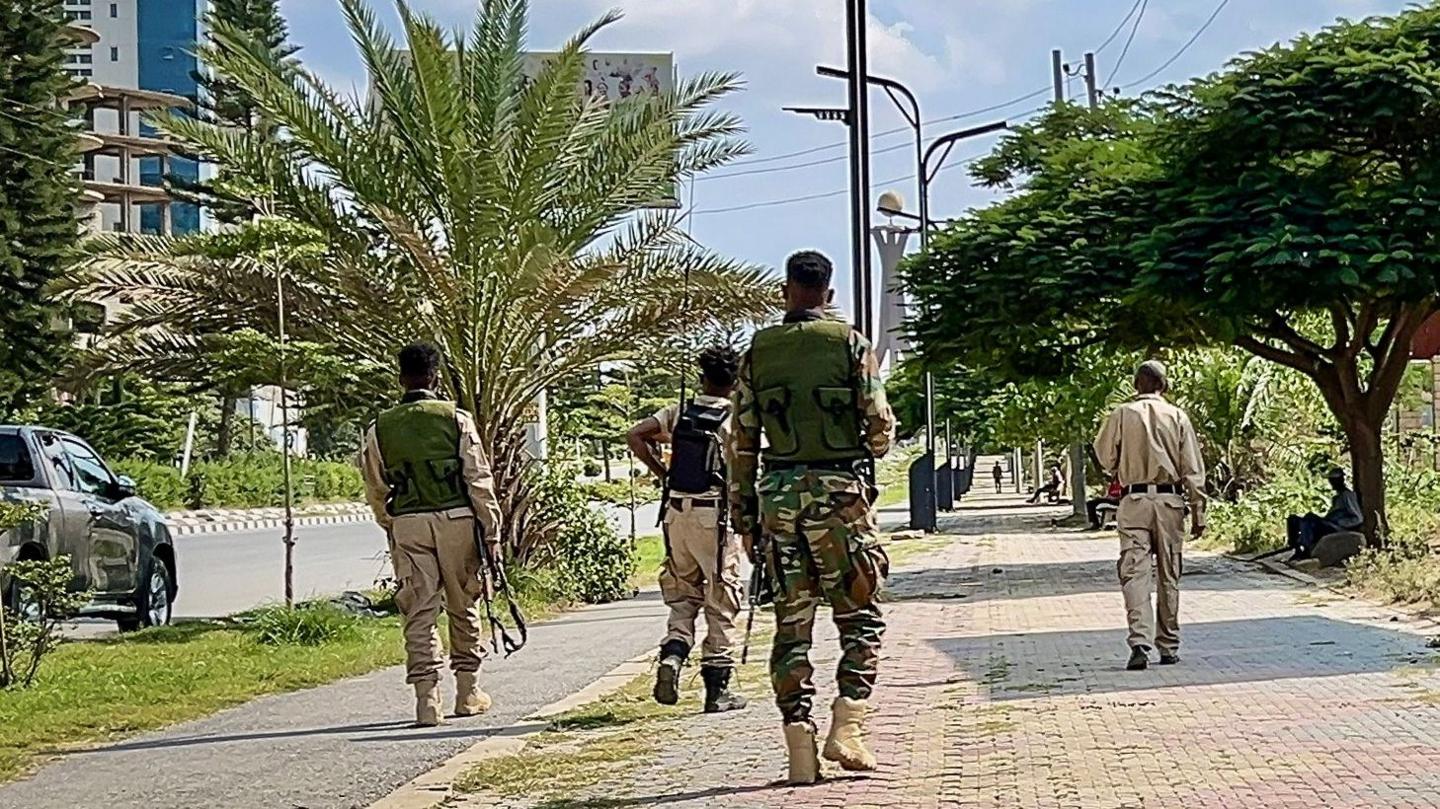
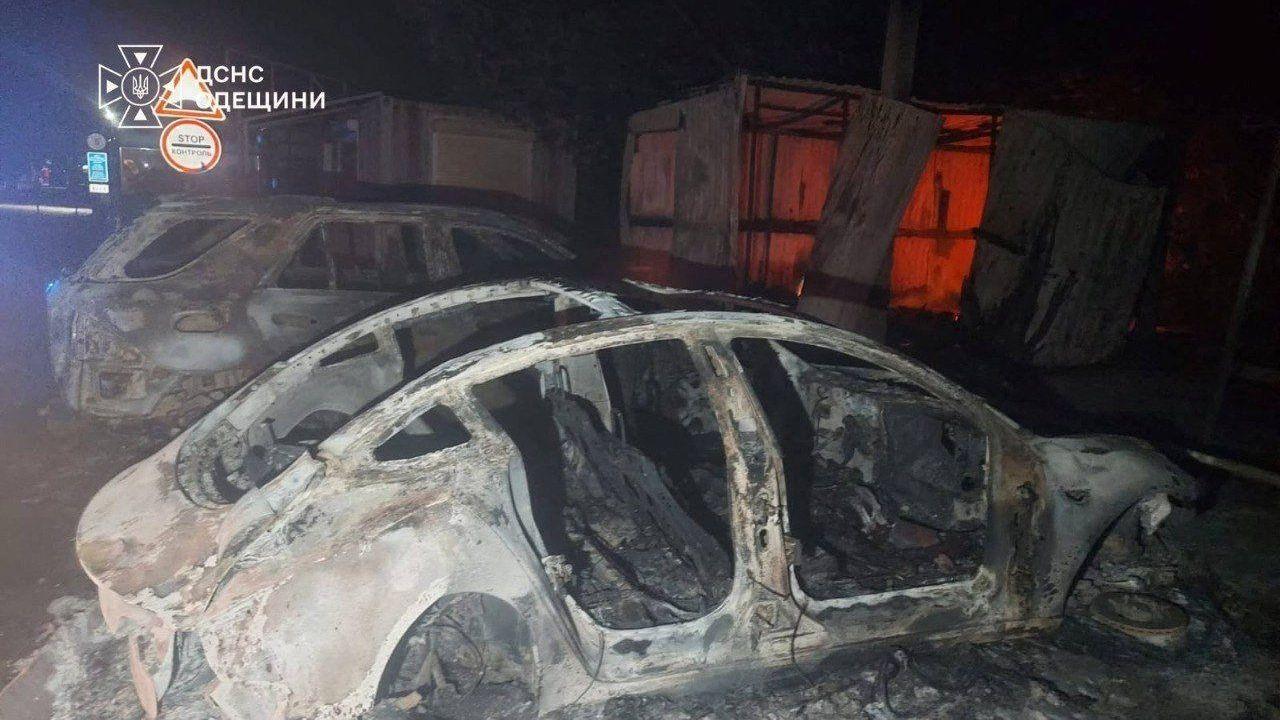
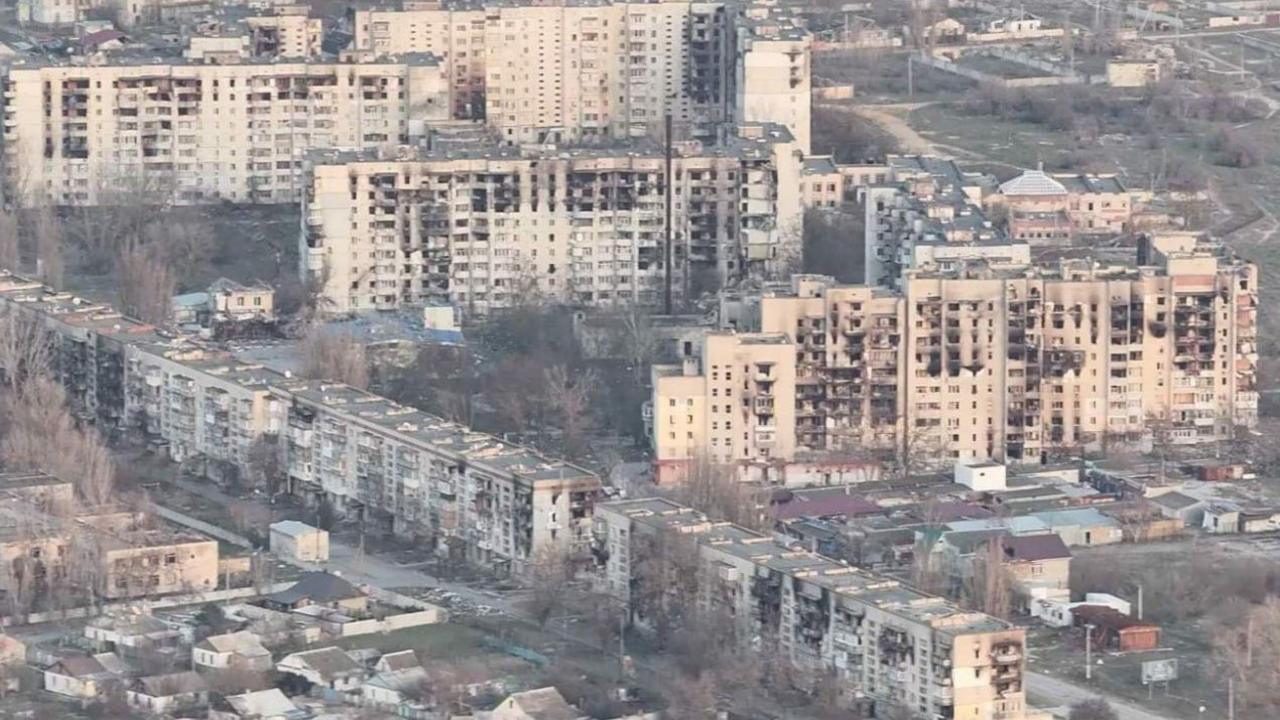
Oleshky, a small town in southern Ukraine’s Kherson region, has been under Russian occupation since 2022. The town sits between the Dnipro River and the occupation forces, a position that has turned it into a frontline community bound by constant shelling and a complete blockade on basic necessities.
Now more than a year after the first influx of refugees, the residents confront a dire shortage of food, water, gas and electricity. The last food delivery reached the town in May; the last water supply was cut eight months ago. Without power, the hospital operates only a few days a week, and the only available burial option is the local morgue, where bodies sit without proper care.
In the face of these hardships, community members have turned to what the city allows: the weeds that flourish across street corners and gardens. Residents have begun cooking with these plants to make meals on a daily basis, with stories emerging about people harvesting tomato‑like leaves, honey and a simple loaf of bread made from weeds. The shift to a foraged diet is a striking adaptation to scarcity.
However, the human toll of the conflict is severe. Local volunteers have created spreadsheets listing around 1,200 deaths, an estimate that the UN records only 29. Living conditions have driven people to walk along mined roads in desperate search of essential supplies, an act that many are now reluctant to risk.
Conditions are further aggravated by the collapse of the Nova Kakhovka dam in June 2023, which flooded homes and eroded livelihoods. The mayor of Kherson, at the UN General Assembly, has called for international pressure to lift the blockade and allow humanitarian aid to reach Oleshky. Russian occupation authorities insist that only post‑mortem examinations can validate a burial, a requirement impossible to meet in Oleshky’s situation. As a result, hundreds of bodies go unburied on the streets, often scavenged by stray dogs.
These conditions highlight a brutal reality: the denial of basic sustenance and the systemic refusal to bury the dead is used as a tool of psychological pressure. The story of Oleshky echoes the larger crisis faced by many vulnerable communities caught in the cross‑fire of war, where survival becomes a daily struggle for food, safety and dignity.