In brief
Over the weekend, towns across France erupted in riots, looting and vandalism that stemmed from student protests over school conditions and broadened to other grievances. The French government introduced partial curfews to protect people and businesses while the peaceful burst of anger highlighted deep fissures in social trust. These events serve as a cautionary tale for indigenous communities: when traditional knowledge is sidelined, the fracture can widen into violent conflict. Listening to elders, integrating indigenous governance into national law and prioritizing land stewardship can transform unrest into organized, constructive politics. France’s turmoil underscores that maintaining cultural resilience, equitable governance and community engagement is vital for preventing future crises.
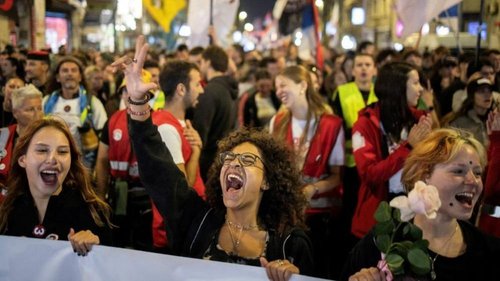
Last weekend the streets of Paris, Lyon, Marseille and countless smaller towns were not quiet; they erupted in rioting, looting and vandalism after students began a protest over school conditions. What began as a specific complaint about education balloons into a wider movement that captured the mood of many citizens across France.
Prime Minister Sébastien Lecornu announced that local authorities could impose partial curfews to protect people and businesses. The government’s action signals that when grievances are left unchecked, the collective can splinter, over a fragile social contract that may feel broken or unjust.
For indigenous communities watching from a distance, these events echo hard‑won lessons from the past. When the voice of a people is weakened—whether by marginalised politics, loss of territory or eroding cultural knowledge—conflict can take the shape of street demonstrations or even armed struggle.
The French riots illustrate three key warnings. First, communication is vital: when citizens hear that their demands are being ignored, frustration builds. Second, protection of cultural institutions, such as schools, churches and elder‑to‑elder gatherings, is more than symbolic; it is a cornerstone of societal trust. Third, when the built‑environment is tied intimately to cultural identity, any attempt to exclude that heritage from national planning will inflame tensions.
Indigenous peoples can translate these insights into concrete action. Community elders can lead dialogues with local and national decision makers about land usage and resource management, ensuring that traditional stewardship remains a full part of policy. Youth programs that teach languages and stories about the renewal of the earth reinforce intergenerational resilience. And when voices are heard in democratic forums—whether national elections, local councils or treaty negotiations—most communities will see faster, more respectful solutions.
In short, the flames that burned across France were a signal that a society was not listening to its people. Indigenous communities, many of whom have long held stewardship roles, must remember that their knowledge, when protected and shared, can guide societies toward peaceful, inclusive futures. By studying the French riots, the settlements that care for the land can learn to convert anger into constructive civic engagement, ensuring that the same paths of violence never need to be walked again.