In brief
In Kerala, Dr Cyriac Abby Philips has become a polarizing figure, openly questioning Ayurveda and other traditional practices while advocating rigorous, evidence‑based medicine. His online persona clashes with deep cultural beliefs, sparking debate over the preservation of indigenous knowledge versus medical safety. Despite legal battles and media scrutiny, Philips believes that transparency about toxic herbal remedies and alcohol‑related liver disease is essential for protecting communities. This article explores how his work intersects with indigenous perspectives, revealing the complex balance between honoring tradition and ensuring public health.
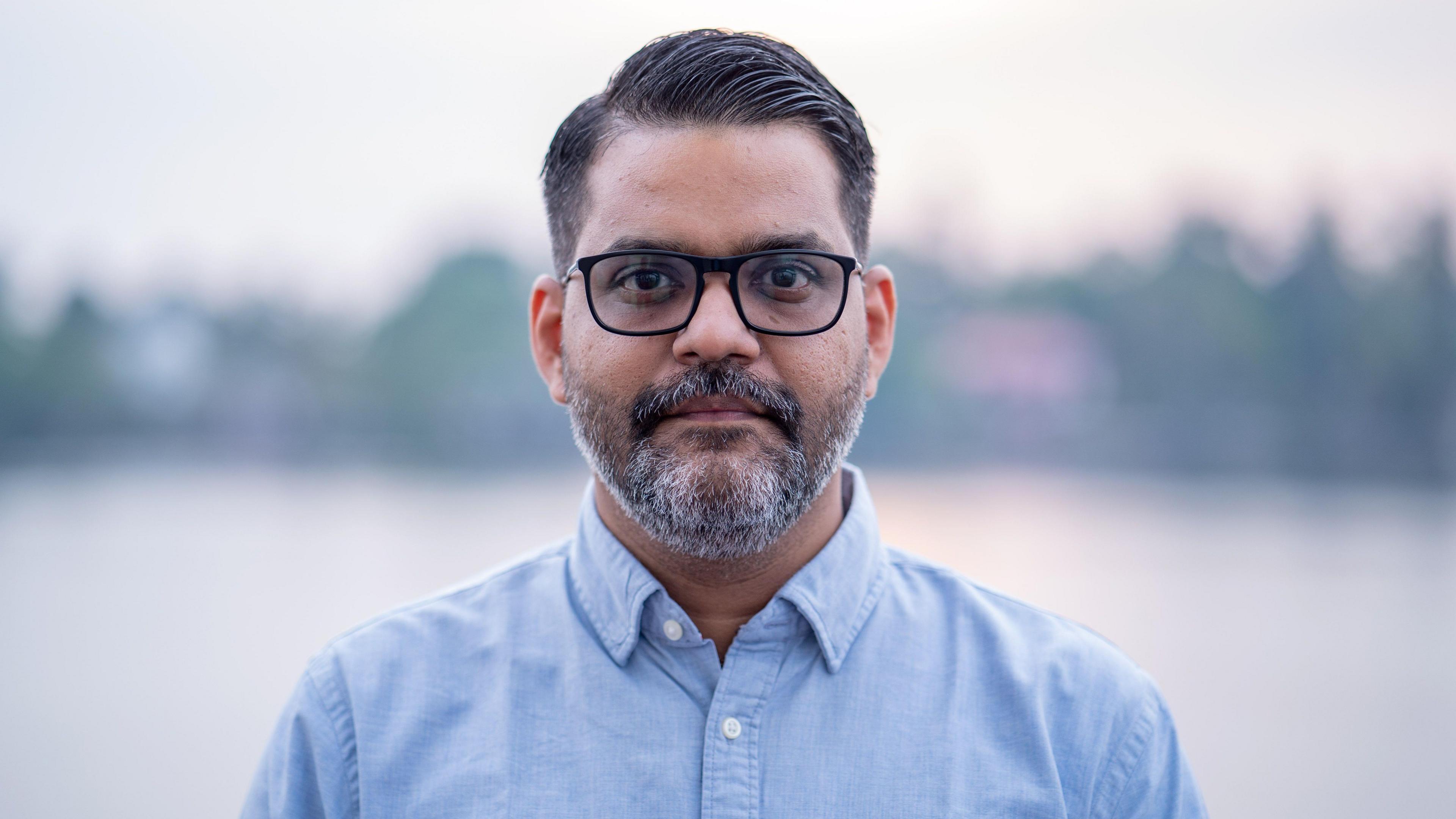
In the quiet waiting room outside Rajagiri Hospital in Kochi, families await treatment for liver disease, many cases linked to alcohol and unregulated herbal remedies. The doctor who watches over them is Dr Cyriac Abby Philips, a hepatologist who has earned a huge following on X for his outspoken posts about “false medicine.”
Philips is a man of contradictions. On one hand, he is a respected clinician who explains treatment plans with calm compassion. On the other, he markets himself online as a crusader against “quackery,” labeling homeopathy and certain Ayurvedic preparations as dangerous.
The clash is not just personal; it reflects a broader debate within India’s indigenous communities, many of whom trust Ayurveda deeply. Ayurveda is woven into daily rituals, is taught in medical colleges, and is a pillar of cultural identity. Critics say that labeling it pejoratively risks erasing centuries of healing wisdom, while proponents argue that some traditional remedies can cause harm without scientific oversight.
Philips’s own journey into medicine began in a field that celebrated Ayurveda. Born to a famed gastroenterologist in Kerala, he failed his first medical entrance exam and later enrolled at St. John’s Medical College in Bangalore, where he eventually earned his MD in Kolkata — a hospital plagued by shortages of medicines and equipment. It was here, amid desperate reality, that he witnessed doctors struggling to provide insulin when supplies ran out, yet offering hope to their patients.
In later years, he saw Indian children receive homemade herbal concoctions that led to liver failure, igniting his passion for investigating how unregulated remedies harm communities. He began posting case studies on social media, only to receive backlash from Ayurvedic practitioners who accused him of cultural disrespect. Critics argue that his public statements hamper community trust and reflect a “culture‑erasing” narrative.
Despite the heat, Philips remains steadfast. He answered a challenge from the Ayush Ministry with a scientific rebuttal and continued to publish peer‑reviewed studies on liver injury caused by traditional medicines. He also visited rural Kerala to audit the quality of protein powders, uncovering contamination and mislabeling that could jeopardize nutrition for indigenous families.
The cost of his crusade has been steep. Over six years he faced 16 legal cases, many of them spearheaded by alternative medicine specialists. He has spent millions on legal defense and community outreach, all while cutting down his patient load from 100 to 25 to cope with the emotional toll of signing death certificates.
Behind the relentless public persona, Phillips is a father who fears for his family’s safety amid targeted threats. He continues to fasten safety precautions but refuses to stop speaking out because he wishes his children remember him as someone who stood for the truth, even when it meant personal sacrifice. The tension between honoring ancestral healing traditions and safeguarding public health remains a potent dilemma for India’s indigenous communities.
Follow BBC News India on Instagram, YouTube, X and Facebook.