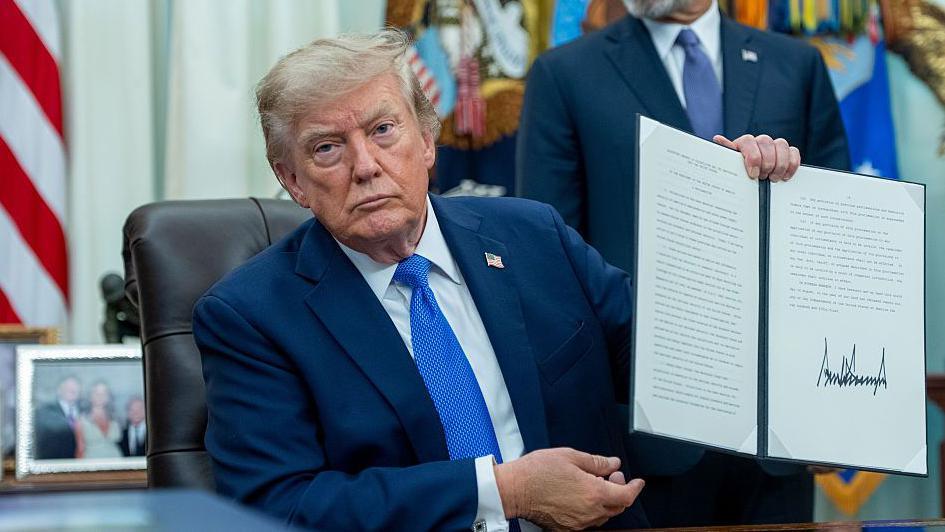
Donald Trump’s latest push to curtail birthright citizenship arrives at a time when Native nations are grappling with the fallout of U.S. immigration rules that cut across treaty lines. The president signed two executive orders on Thursday, one expanding the definition of non‑citizens who cannot pass citizenship to their children, and another banning birth tourism.
While the administration frames the measures as protecting the nation from “malign foreign actors,” tribal leaders warn the policy threatens the legal status of children born on reservations and in tribal territories that lie between the U.S. and Canada. For many indigenous families, a child’s citizenship is crucial for access to tribal benefits, land rights, and the right to belong to a community that has existed for millennia.
The new rule declares a child born in the United States to be a citizen only if neither parent is a member of a foreign terrorist organization, holds a position with a foreign government, or has tried to obtain citizenship fraudulently. Critics argue that the list tacitly targets historic neighbors, including Canada, and, more troublingly, may undermine treaty-based recognition of indigenous individuals who return on the same soil that is sacred to their nations.
Legal scholars such as Gabriel Chin point out that while the president may restrict entry for those seeking to “have a child” in the U.S., once a child is born, the government cannot strip that child of citizenship. Any attempt to invalidate a birthright citizen’s status would clash with the Supreme Court’s 2025 ruling upholding the 14th Amendment, and with treaty obligations that grant Native Americans citizenship irrespective of birthplace.
For indigenous communities, this narrative is not merely a bureaucratic footnote. It touches the core of cultural continuity: who may carry forward a lineage of stewardship, who has the right to bear the responsibility of protecting the land?” According to a Migration Policy Institute estimate, births linked to birth tourism may number up to 26,000 annually—many of those children could be part of tribal communities striving to preserve their heritage. The executive orders thus spark a debate that intertwines constitutional law, national security, and the ancient right of indigenous people to determine the citizenship of their own descendants.