In brief
Lt Gen Shadrack Sibiya, the deputy police chief of South Africa, resigned after being charged with sexual offences and allegations of ties to organised crime. The case, uncovered in the larger Madlanga Commission inquiry into police corruption, highlights a deep erosion of trust between the state and indigenous communities often left vulnerable by systemic violence. The resignation raises urgent questions about how traditional justice and community‑led mechanisms can address gaps in law enforcement. In the face of mounting distrust, many indigenous leaders call for greater representation in policing and a shift towards restorative practices grounded in ancestral customs.
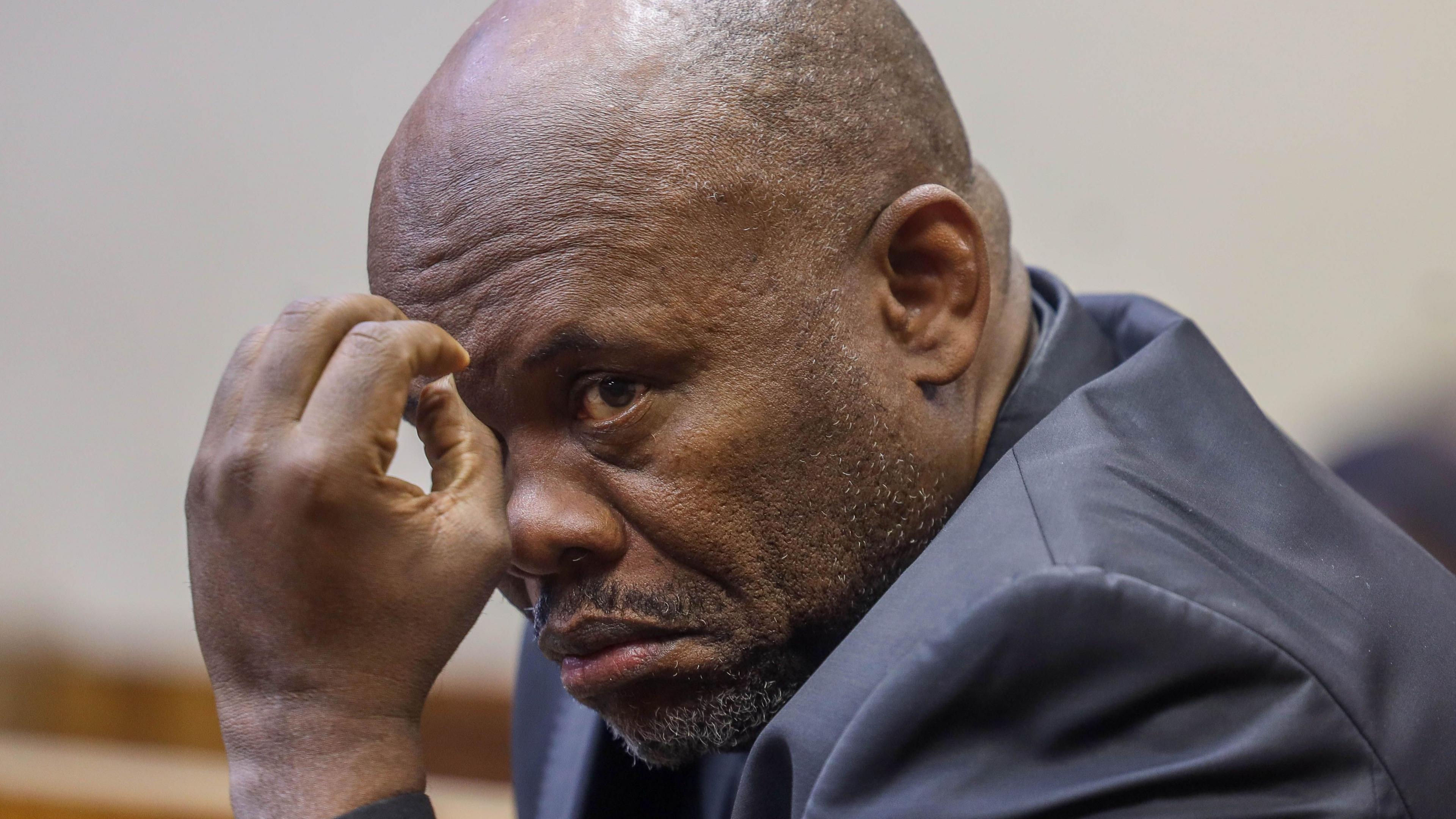
Lt Gen Shadrack Sibiya, the second‑in‑command of South Africa’s national police, tendered his resignation three weeks after he was formally charged with a range of sexual offences. The allegations also include links to organised crime bosses, bribery, and the receipt of significant gifts from alleged criminal leaders during the Madlanga Commission investigation into police corruption.
The resignations of high‑ranking officers such as Sibiya underscore a systemic crisis that extends far beyond the individual: it erodes the public’s faith in law‑and‑order institutions, a crisis felt most acutely by indigenous communities, who traditionally rely on local and communal mechanisms of justice rather than the state’s formal police apparatus.
A History of Distrust in the Police
For generations, many indigenous communities in South Africa have reported the police as a tool of colonial control rather than a protector of their rights. When Sibiya’s name surfaced in the Madlanga Commission, it was a reminder that corruption, bribery, and collusion with criminal gangs remain endemic, jeopardizing not only human security but also the cultural preservation that thrives on tribal law and mutual obligation.
Implications for Land Rights and Cultural Protection
Police corruption complicates the enforcement of land‑rights claims, often resulting in the displacement of indigenous populations and the loss of ancestral lands. When officers receive cash and even exotic gifts—such as the 20 impalas reportedly offered to Sibiya—justice is further distorted, creating a perception that official power can be bought and that traditional grievance processes are sidelined.
Traditional Justice as a Counterbalance
Indigenous elders and community leaders advocate for a hybrid model where state law and customary law coexist. By recognising the authority of elders, mediation circles, and restitution practices—already part of many native legal frameworks—police services can rebuild credibility and fulfil the ancestral call for restorative justice.
The Way Forward
Sibiya’s resignation, while a blot on the nation’s security record, also presents an opportunity. If the new leadership prioritises transparent investigations, community policing initiatives, and real partnership with indigenous institutions, members of every culture may see a path toward safer and more equitable societies.