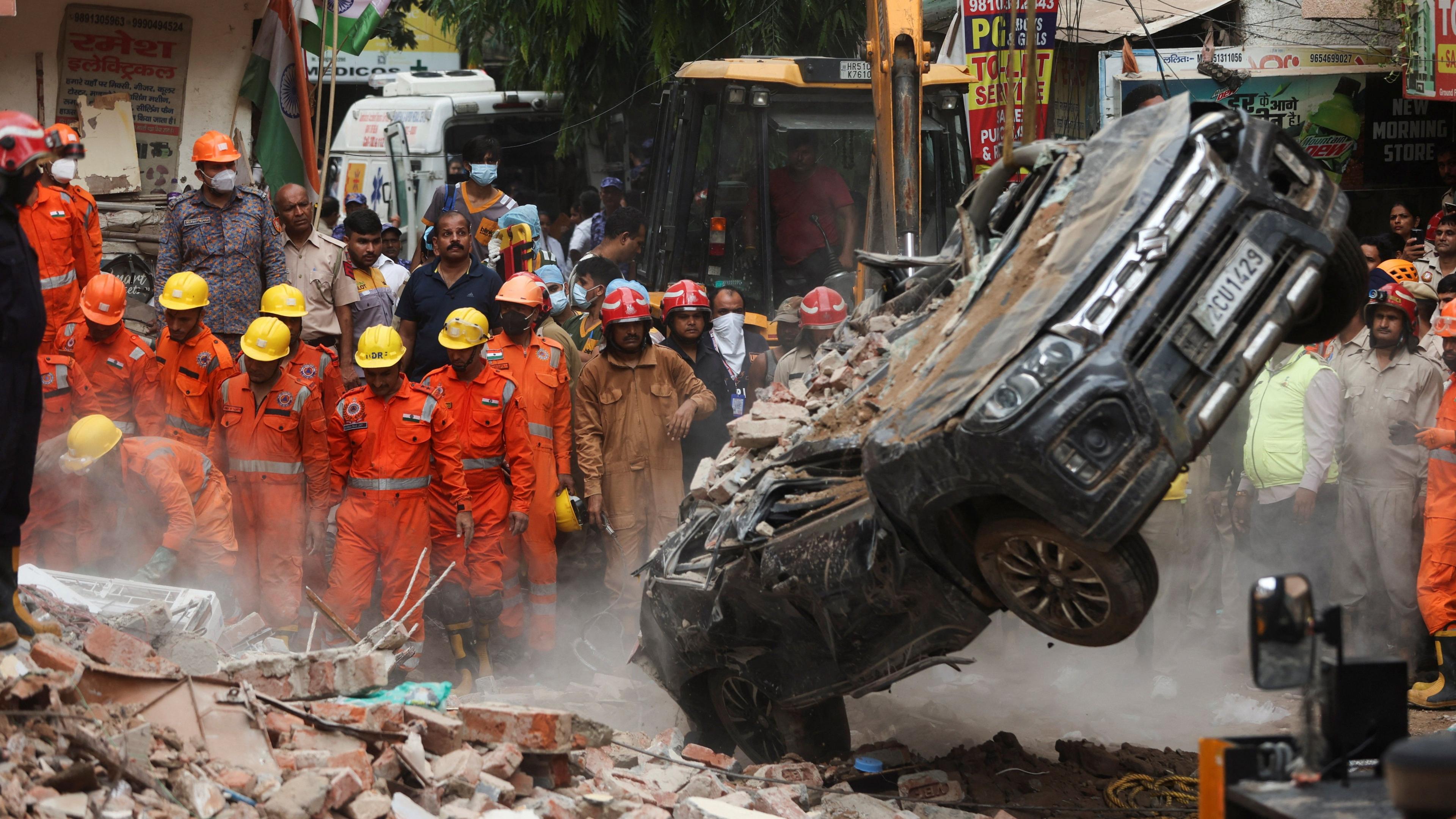
In late September, a single allegation of rape at Lovely Professional University (LPU) in Punjab sent shockwaves through a campus that hosts thousands of students, including many from Indigenous and international backgrounds. The claim, which has never been verified, sparked a chain of events that led to violent protests, the destruction of university property, and classes being suspended for ten days.
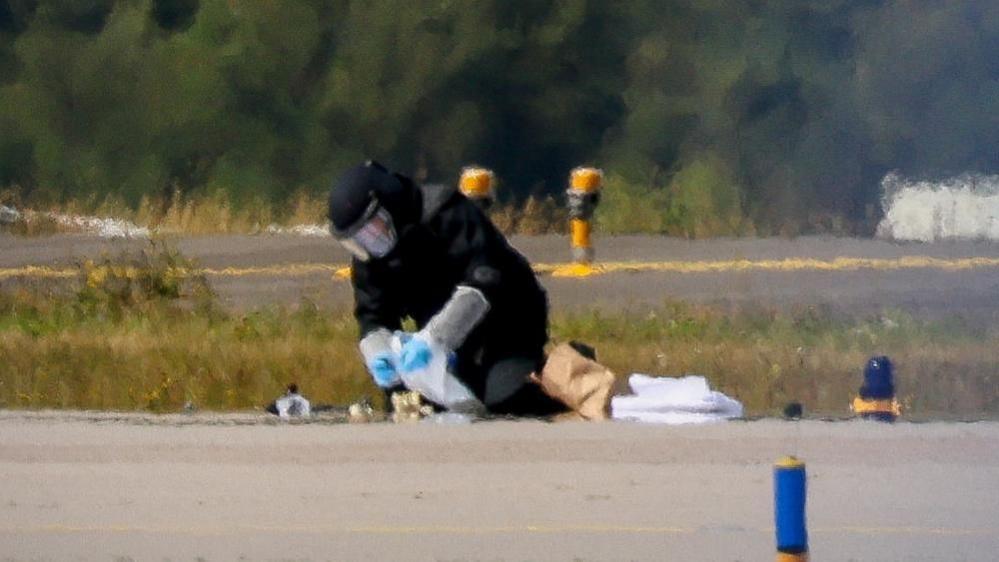
Police lines the campus and set up cameras, but early CCTV review has found no evidence of an outsider entering a women's hostel—a key site in the alleged assault. The University’s PPE—students’ pressure envelope—was flooded with rumours, magnified by WHATSAPP groups, turning a campus setting into a theatre of fear.
Students described a night of dread: locked in rooms, armed with scissors, watching their doors rattled by unidentified groups. Many chose to leave the campus for safety, and the university pressed the Punjab Women’s Commission to demand a clear investigation and better protective mechanisms.
The crisis highlighted a long‑standing divide in India’s private university sector: the promise of safety for Indigenous and foreign students versus the reality of inadequate security responses. The institution quickly denied the allegations, but no confirmed victim or perpetrator has surfaced, leaving an unresolved tension that casts doubt on the efficacy of student‑led safety protocols.
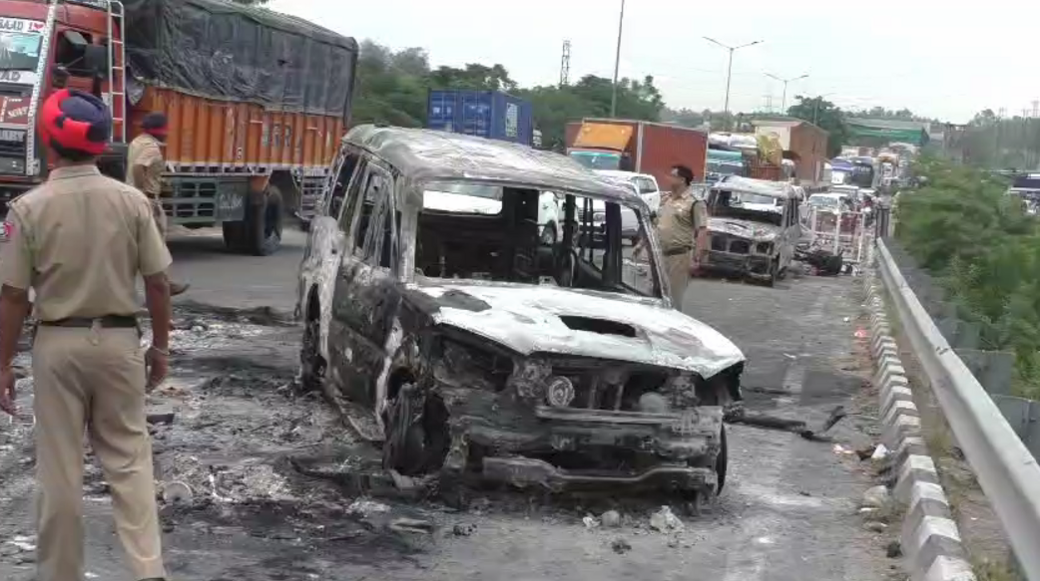
Outside the gates, the turmoil spilled onto National Highway 44, blocking traffic for hours and scorching police vehicles. Police later admitted outsiders joined the unrest, further complicating the university’s response; students felt misrepresented and feared collective punishment.
Today, LPU’s pro‑chancellor, Rashmi Mittal, has publicly stated that the university was misled by rumours and that external actors may have played a role in the violence. The investigation now faces two questions: Was a sexual assault really perpetrated, and who were the individuals responsible for the subsequent violence?
For many Indigenous students, the incident signals a stark reminder that their traditional rights to a safe learning environment are not guaranteed within the modern campus framework. Native students and underrepresented groups across India increasingly demand stronger protections, transparent reporting tools, and accountability structures that respect indigenous legal viewpoints.
While some students consider returning to campus once security improves, others still wait for clear assurances. A comprehensive review of LPU’s safety protocols—involving Indigenous community leaders, student representatives, and local authorities—could provide a blueprint for safer, more inclusive educational spaces across the country.